
If you’ve noticed your fish floating at the surface belly-up, spiraling awkwardly, or struggling to maintain a normal position in the water, it’s understandably alarming. This behavior—commonly referred to as “upside-down swimming”—is often caused by swim bladder disorder, a condition that affects a fish’s ability to control buoyancy. While not always fatal, untreated swim bladder issues can lead to stress, malnutrition, and secondary infections. The good news is that most cases are manageable with proper diagnosis and care.
The swim bladder is an internal gas-filled organ that helps fish maintain neutral buoyancy. When functioning correctly, it allows fish to hover effortlessly at any depth without sinking or rising uncontrollably. Disruption in this system leads to erratic swimming patterns, including floating on their backs, sinking to the bottom, or swimming sideways. Understanding the causes, recognizing early signs, and applying targeted treatments are essential steps toward recovery.
Understanding the Swim Bladder and Its Function
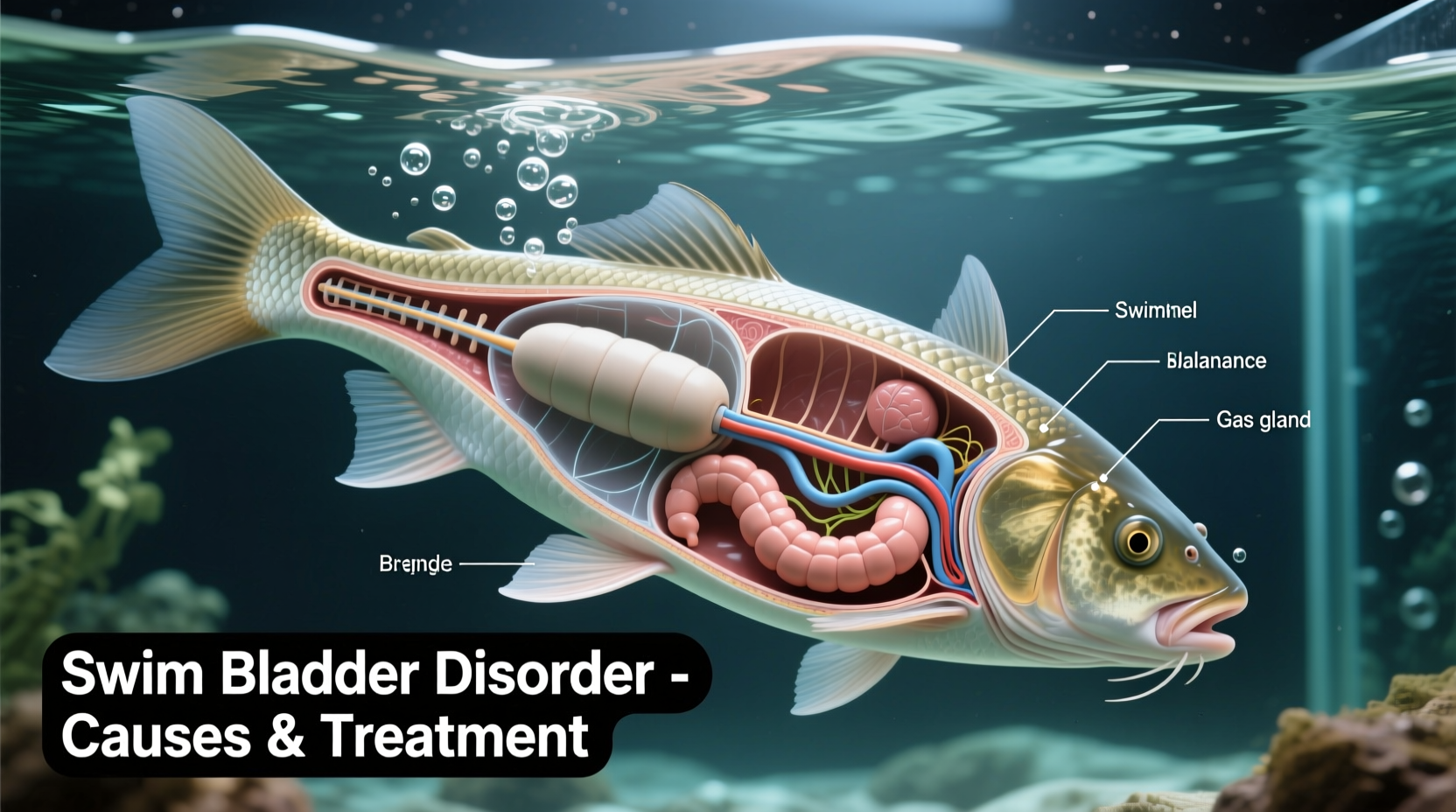
The swim bladder is a crucial organ found in most bony fish (teleosts), located just below the spine and above the digestive tract. By adjusting the amount of gas within the bladder—through specialized glands that add or remove oxygen and other gases—fish can fine-tune their density relative to the surrounding water. This enables them to ascend, descend, or remain suspended with minimal effort.
In some species, such as goldfish and bettas, the swim bladder is physostomous, meaning it retains a connection to the digestive tract via a pneumatic duct. In others, like many tropical fish, it's physoclistous, with no direct connection after development. This anatomical difference influences susceptibility to certain types of swim bladder dysfunction, particularly those related to diet and digestion.
When the swim bladder becomes compromised—due to infection, physical trauma, poor diet, or environmental stress—the fish loses its ability to regulate buoyancy effectively. The result? Unnatural postures: head-down floats, tail-up hovering, or complete inversion.
Tip: Observe your fish during feeding time; abnormal posture during eating may be an early sign of swim bladder trouble.Common Causes of Swim Bladder Disorders
Swim bladder problems are rarely due to a single factor. Instead, they typically stem from a combination of physiological, dietary, and environmental triggers. Identifying the root cause is critical for effective treatment.
- Dietary Issues: Overfeeding or consuming dry foods that expand in the stomach can compress the swim bladder. Flakes and pellets absorb water and swell, putting pressure on internal organs.
- Constipation: A backed-up digestive tract can physically press against the swim bladder, impairing function. This is especially common in round-bodied fish like fancy goldfish.
- Bacterial Infections: Internal infections can inflame the swim bladder or surrounding tissues, disrupting gas regulation.
- Physical Deformities: Some fish are born with structural abnormalities affecting the swim bladder, particularly in selectively bred varieties like balloon mollies or lionhead goldfish.
- Temperature Fluctuations: Cold water slows digestion, increasing the risk of constipation and gas buildup.
- Poor Water Quality: Elevated ammonia, nitrite, or pH swings stress fish, weakening immune systems and exacerbating existing conditions.
- Swallowing Air: Fish that gulp air at the surface while feeding may trap excess gas in the digestive system, contributing to buoyancy issues.
“Swim bladder disorder is often a symptom rather than a disease itself. Treating the underlying cause—whether nutritional, infectious, or environmental—is key.” — Dr. Alicia Nguyen, Aquatic Veterinarian
Step-by-Step Guide to Diagnosing and Treating Swim Bladder Issues
Effective treatment begins with observation and progresses through targeted interventions. Follow this structured approach to maximize your fish’s chances of recovery.
- Isolate Abnormal Behavior: Confirm the issue isn’t temporary. Brief upside-down moments after feeding might resolve on their own. Persistent imbalance lasting more than 24 hours warrants action.
- Assess Diet History: Review what and how much you’ve been feeding. Sudden changes, overfeeding, or exclusive dry food diets are red flags.
- Check Water Parameters: Test ammonia, nitrite, nitrate, pH, and temperature. Ammonia above 0.25 ppm or unstable pH can stress fish and hinder healing.
- Fast the Fish: Begin with a 2–3 day fast to clear the digestive tract. This reduces pressure on the swim bladder and allows the gut to reset.
- Introduce Cooked Peas: After fasting, feed one shelled, de-skinned, boiled pea per day for 2–3 days. Peas act as a natural laxative and help relieve constipation.
- Switch to Sinking Foods: Replace floating flakes with high-quality sinking pellets or gel-based foods to prevent air ingestion.
- Elevate Water Temperature: For tropical fish, raise the tank temperature gradually to 78–80°F (25–27°C) to boost metabolism and aid digestion.
- Monitor Progress: Track improvements in swimming posture over 5–7 days. Most mild cases resolve within this window.
- Consider Medication (if needed): If bacterial infection is suspected—evidenced by bloating, clamped fins, or lethargy—use antibiotics like kanamycin or metronidazole under veterinary guidance.
- Prevent Recurrence: Once recovered, maintain a balanced diet, avoid overfeeding, and perform regular water changes.
Do’s and Don’ts When Managing Swim Bladder Disorder
| Do’s | Don’ts |
|---|---|
| Fast your fish for 48–72 hours | Continue feeding dry flakes or pellets during symptoms |
| Feed cooked, shelled peas once daily | Overfeed after recovery—resume small portions |
| Maintain stable water temperature | Make sudden water parameter changes |
| Use aquarium salt (for freshwater fish, if appropriate) | Add table salt or iodized salt—only use pure aquarium salt |
| Perform 25% water changes every few days | Neglect filter maintenance during treatment |
| Observe for improvement over 5–7 days | Assume all upside-down swimming is permanent |
Real Example: Recovery of a Constipated Goldfish
Samantha, an aquarium hobbyist in Portland, noticed her 3-year-old fantail goldfish, Bubbles, floating vertically with its head down and tail up. It struggled to reach food on the bottom and often rested upside down near the surface. She initially assumed it was old age, but after researching online, she recognized signs of swim bladder distress.
She immediately stopped feeding Bubbles and tested her tank: ammonia was 0.5 ppm, which she corrected with a 30% water change. After two days of fasting, she offered a quarter of a boiled pea. Within 24 hours, Bubbles passed white stringy waste and began swimming more horizontally. Over the next week, Samantha fed only sinking pellets and maintained clean water. By day ten, Bubbles was swimming normally and competing for food again.
This case illustrates how timely intervention and attention to diet and water quality can reverse even advanced symptoms.
When Is Upside-Down Swimming Permanent?
Not all cases are reversible. Some fish suffer from congenital defects, severe organ damage, or irreversible deformities due to selective breeding. In such instances, the fish may adapt to a new “normal” and live comfortably despite an unusual posture.
Fish with chronic swim bladder issues can still enjoy good quality of life if basic needs are met: clean water, easy access to food, and protection from aggressive tank mates. Consider modifying the environment—such as lowering water level or adding soft substrate—to reduce injury risk.
Euthanasia should only be considered if the fish shows persistent signs of distress: inability to eat, open sores, labored breathing, or extreme lethargy unresponsive to treatment.
FAQ: Common Questions About Swim Bladder Disorder
Can swim bladder disorder spread to other fish?
No, swim bladder disorder itself is not contagious. However, if caused by a bacterial infection or poor water conditions, other fish may develop similar issues if the environment isn’t improved.
Should I euthanize my fish if it swims upside down?
Not necessarily. Many fish recover fully with proper care. Only consider euthanasia if the fish is in pain, cannot eat, or shows no improvement after weeks of treatment.
Are certain fish more prone to swim bladder problems?
Yes. Round-bodied breeds like fancy goldfish, bettas, and balloon mollies are more susceptible due to compressed internal anatomy. Long, streamlined fish like tetras or danios are less commonly affected.
Prevention Checklist for Healthy Buoyancy
- ✅ Feed a varied diet including vegetables like peas and zucchini
- ✅ Soak dry foods in tank water for 5 minutes before feeding
- ✅ Avoid overfeeding—offer only what fish can consume in 2–3 minutes
- ✅ Maintain consistent water temperature with a reliable heater
- ✅ Perform weekly 25% water changes to keep parameters stable
- ✅ Use high-quality sinking pellets for bottom-feeders and round-bodied fish
- ✅ Quarantine new fish to prevent introduction of pathogens
Conclusion: Act Early, Care Consistently
Seeing your fish struggle to swim normally can be distressing, but swim bladder disorder is often treatable with prompt, informed care. The key lies in identifying whether the cause is dietary, environmental, or pathological—and responding accordingly. Fasting, feeding peas, improving water quality, and adjusting feeding practices can make a dramatic difference.
Remember, prevention is far easier than treatment. A well-balanced diet, clean tank conditions, and attentive observation go a long way in protecting your fish’s health. With patience and consistency, most affected fish can regain their equilibrium and thrive once again.
💬 Have experience treating swim bladder issues? Share your story or tips in the comments—your insight could help another aquarist save their fish.








