Watching your fish glide gracefully through the water is one of the quiet joys of aquarium keeping. But when you notice a fish floating belly-up, spiraling erratically, or swimming inverted, concern is natural. Is this a sign of serious illness? A temporary glitch? Or could some species simply behave oddly by design?
Fish swimming upside down is rarely “normal” in the true sense, but it’s also not always an immediate death sentence. The behavior can stem from medical conditions, environmental stressors, dietary issues, or—rarely—inherent traits in certain breeds. Understanding the root cause is essential to deciding whether intervention is needed.
This article explores the science behind inverted swimming, breaks down the most common culprits, and provides actionable steps to diagnose and address the issue before it becomes fatal.
Understanding Fish Buoyancy and Balance
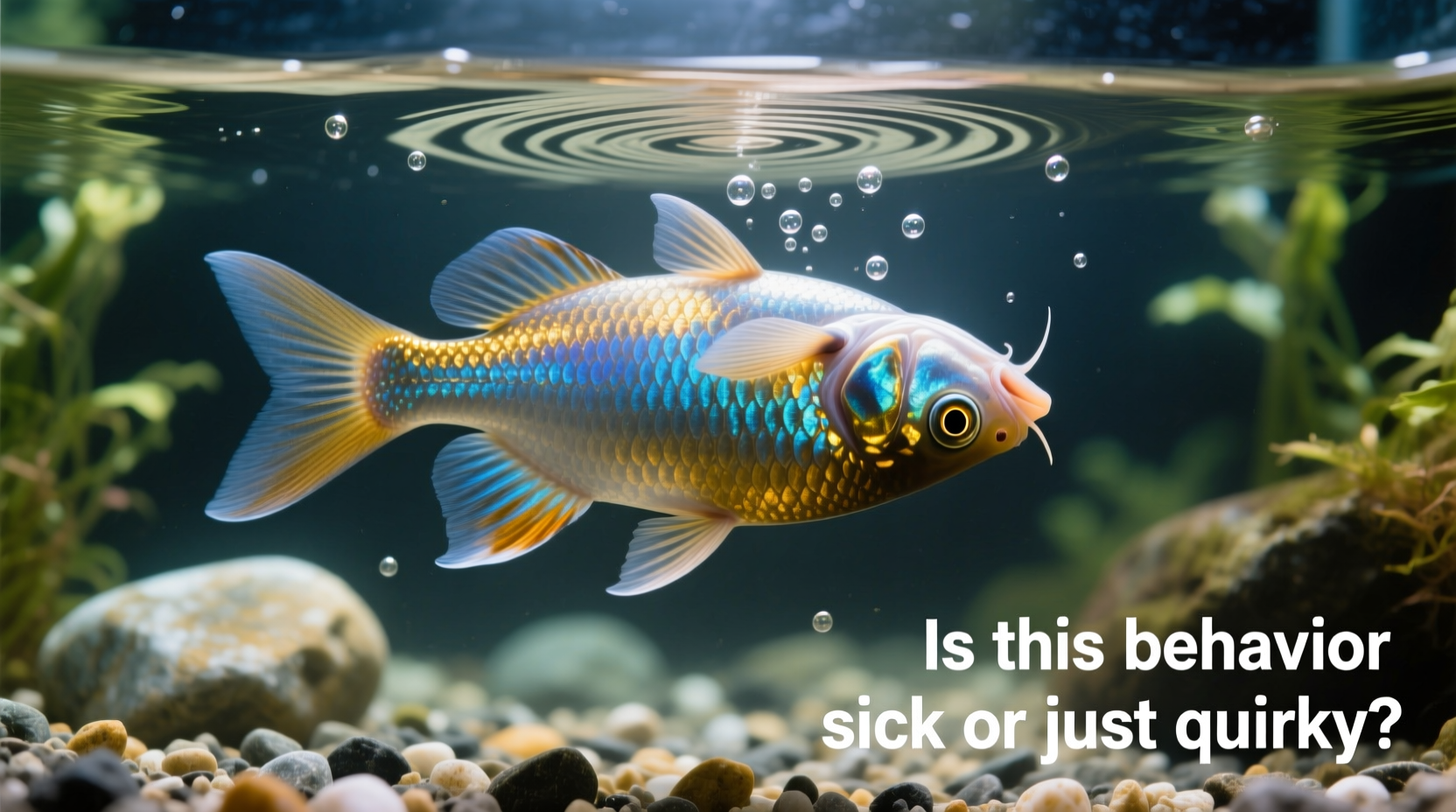
Fish maintain their orientation in water through a combination of anatomy and physiology. The swim bladder—a gas-filled organ that functions like a biological ballast tank—is the primary regulator of buoyancy. By adjusting the amount of gas inside, fish can rise, sink, or remain neutrally buoyant at any depth.
The inner ear and lateral line system contribute to balance and spatial awareness, helping fish detect movement and orientation relative to their surroundings. When any part of this system fails, disorientation follows. Swimming upside down is often the visible symptom of an internal imbalance.
Unlike mammals, fish don’t sleep in a horizontal position. If a fish is motionless and upside down near the surface or resting on the substrate, it’s likely struggling—not napping.
Tip: Observe your fish during active hours (usually morning and evening) to distinguish abnormal behavior from brief moments of adjustment.Common Medical Causes of Upside-Down Swimming
In most cases, inverted swimming is a red flag for underlying health problems. The following conditions are frequent offenders:
Swim Bladder Disorder
This is the most commonly diagnosed cause. Swim bladder disorder isn't a disease itself but a symptom of dysfunction. It can result from:
- Overfeeding or eating too quickly, causing constipation that compresses the swim bladder
- Consuming dry flakes or pellets that expand in the stomach
- Bacterial or parasitic infections affecting the organ
- Physical trauma from aggressive tank mates or improper netting
- Congenital defects in selectively bred fish like fancy goldfish or bettas
Digestive Blockages
Fish lack the ability to vomit. If they ingest indigestible material or overeat, blockages can develop. A distended abdomen combined with buoyancy issues often points to gastrointestinal distress.
Bacterial or Parasitic Infections
Internal infections can inflame the swim bladder or surrounding organs. Aeromonas and Pseudomonas bacteria are known to cause such complications. Parasites like Hexamita may also invade the digestive tract and indirectly affect buoyancy.
Poor Water Quality
Toxins like ammonia, nitrite, or elevated nitrate levels weaken fish immunity and stress internal systems. Chronically poor water conditions make fish more susceptible to all forms of illness, including those affecting balance.
“Swim bladder symptoms are often secondary to broader husbandry issues. You can medicate all day, but if the tank environment is off, recovery won’t last.” — Dr. Lena Torres, Aquatic Veterinarian
Environmental and Dietary Factors
Even without infection, everyday care practices can trigger upside-down swimming. These factors are often overlooked but highly correctable.
Feeding Habits
Dry foods absorb water and swell up to three times their size once ingested. When fish gulp air while feeding at the surface, this expansion can press against the swim bladder. Sinking pellets or pre-soaked food reduce this risk significantly.
Water Temperature Fluctuations
Cold water slows digestion, increasing the chance of constipation. Tropical fish kept below 76°F (24°C) may struggle to process food efficiently, leading to bloating and buoyancy loss.
Tank Layout Hazards
Sharp decorations, strong currents from filters, or overcrowding can cause physical injury or chronic stress. A fish that’s been bullied may hide and eat poorly, weakening its overall condition over time.
| Factor | Risk Level | Action Step |
|---|---|---|
| Dry flake food | High | Soak for 5 minutes before feeding |
| Ammonia >0.25 ppm | Critical | Perform 50% water change immediately |
| Temperature swings >3°F/day | Moderate | Use a reliable heater with thermostat |
| Overstocked tank | High | Follow 1 gallon per inch of fish rule |
When Quirky Behavior Isn’t a Sign of Sickness
Not every upside-down swimmer is ill. Some species have evolved unique behaviors or anatomical adaptations that mimic distress but are entirely normal.
The **Betta splendens** sometimes rests at odd angles, especially in low-current tanks. They possess a labyrinth organ that allows them to breathe atmospheric air, so surfacing frequently—even upside down—is part of their routine.
The **Upside-Down Catfish** (Synodontis nigriventris) is perhaps the most famous example. This peaceful, nocturnal fish naturally swims inverted to feed on algae and biofilm along the underside of driftwood and leaves. Its mottled belly mimics its backside, providing camouflage from predators below. Seeing one glide belly-up is not a cause for alarm—it’s dinner time.
Similarly, certain **gouramis** and **loaches** may tilt or roll temporarily when exploring tight spaces or reacting to stimuli. As long as they return to normal posture and show no signs of labored breathing or lethargy, these actions fall within behavioral range.
Tip: Research your fish species’ natural behaviors before assuming illness. What looks alarming in a tetra might be routine for a catfish.Step-by-Step Guide to Diagnosing and Treating the Issue
If your fish is swimming upside down and doesn’t belong to a known “upside-down” species, follow this timeline to assess and act:
- Day 1: Observe and Isolate (if necessary)
Monitor the fish for 24 hours. Note appetite, breathing rate, interaction with others, and whether the behavior is constant or intermittent. If aggression is suspected, move the fish to a quarantine tank to reduce stress. - Day 1: Test Water Parameters
Check ammonia, nitrite, nitrate, pH, and temperature. Ammonia and nitrite should read 0 ppm; nitrates under 40 ppm. Correct imbalances with partial water changes. - Day 2: Fast the Fish
Stop feeding for 24–48 hours to allow digestion to clear. Fasting helps relieve constipation-related swim bladder pressure. - Day 3: Introduce Cooked Peas
Feed a small portion of de-shelled, boiled pea (cooled). High in fiber, peas help break up blockages. Offer only what the fish can consume in 2 minutes. - Days 4–5: Resume Feeding with Adjustments
Switch to sinking pellets or soaked flakes. Feed smaller portions twice daily. Avoid freeze-dried foods until full recovery. - Days 6–7: Evaluate Progress
If buoyancy improves, continue optimized diet and maintenance. If no change—or worsening symptoms appear—consider medication for bacterial infection (e.g., kanamycin or metronidazole) under guidance. - Ongoing: Prevent Recurrence
Maintain consistent water quality, avoid overfeeding, and ensure proper tank setup.
“In over 10 years of aquatic practice, I’ve seen more swim bladder cases resolved by better feeding than by antibiotics.” — Dr. Aaron Kim, Exotic Animal Clinic
Mini Case Study: Goldie the Fancy Goldfish
Marissa noticed her fantail goldfish, Goldie, floating vertically each morning, tail down and head up. At first, she assumed it was sleeping. But after two days, Goldie couldn’t reach the bottom and struggled to eat.
She tested the water—ammonia was slightly elevated at 0.5 ppm, likely due to overstocking. She performed a 50% water change and fasted Goldie for 36 hours. On the third day, she fed a quarter of a mashed pea. Within 24 hours, Goldie began swimming normally again.
Marissa switched to sinking wafers, reduced feeding frequency, and added a weekly water change routine. Goldie hasn’t had a recurrence in eight months.
This case illustrates how a combination of environmental correction and dietary adjustment can resolve swim bladder issues without medication.
Prevention Checklist
Keep this checklist handy to minimize the risk of buoyancy disorders:
- ✅ Test water weekly for ammonia, nitrite, nitrate, and pH
- ✅ Soak dry food for 5 minutes before feeding
- ✅ Feed high-fiber foods like peas occasionally
- ✅ Avoid overfeeding—stick to 2-minute feeding windows
- ✅ Maintain stable water temperature with a reliable heater
- ✅ Provide hiding spots to reduce stress
- ✅ Quarantine new fish before introducing to main tank
- ✅ Clean filter monthly without disrupting beneficial bacteria
FAQ
Can swim bladder disorder be cured?
Yes, in most cases. If caused by diet or mild constipation, fasting and pea therapy often lead to full recovery within days. Chronic or congenital cases may require long-term dietary management, but fish can live comfortably with accommodations.
Is upside-down swimming contagious?
Not directly. However, if the cause is a bacterial or parasitic infection, other fish in the same tank may become infected. Always monitor tank mates and treat the entire system if pathogens are suspected.
Should I euthanize a fish that can’t swim right?
Euthanasia should be a last resort when a fish shows no response to treatment, cannot eat, or appears to be in distress. Most cases improve with proper care. Consult a veterinarian if unsure.
Conclusion: Act Early, Think Holistically
Fish swimming upside down usually signal a problem—but not always a hopeless one. The key is early recognition and a methodical approach. Before reaching for medication, examine feeding habits, water quality, and species-specific behavior. Often, the fix is simpler than expected.
Remember, fish cannot tell us when they’re unwell in words. Their bodies do the talking. An inverted swim is a cry for help, not just a quirk. By responding with informed care, you give your aquatic companions a fighting chance at recovery and long-term well-being.
💬 Have a fish with unusual habits? Share your story or ask for advice in the comments—let’s build a community of attentive, compassionate fish keepers.








