
Betta fish are known for their vibrant colors and active personalities. When a once-lively betta suddenly retreats into hiding and shows minimal movement, it’s natural to worry. This behavior is not typical and often signals an underlying issue—ranging from environmental stressors to illness. Understanding the root causes is essential for restoring your betta’s health and ensuring long-term well-being.
Bettas are sensitive creatures that rely heavily on water quality, tank setup, and routine care. While occasional moments of rest are normal, prolonged inactivity combined with constant hiding suggests something is wrong. Addressing the problem early can prevent serious complications and even save your fish’s life.
Common Causes of Hiding and Lethargy in Betta Fish
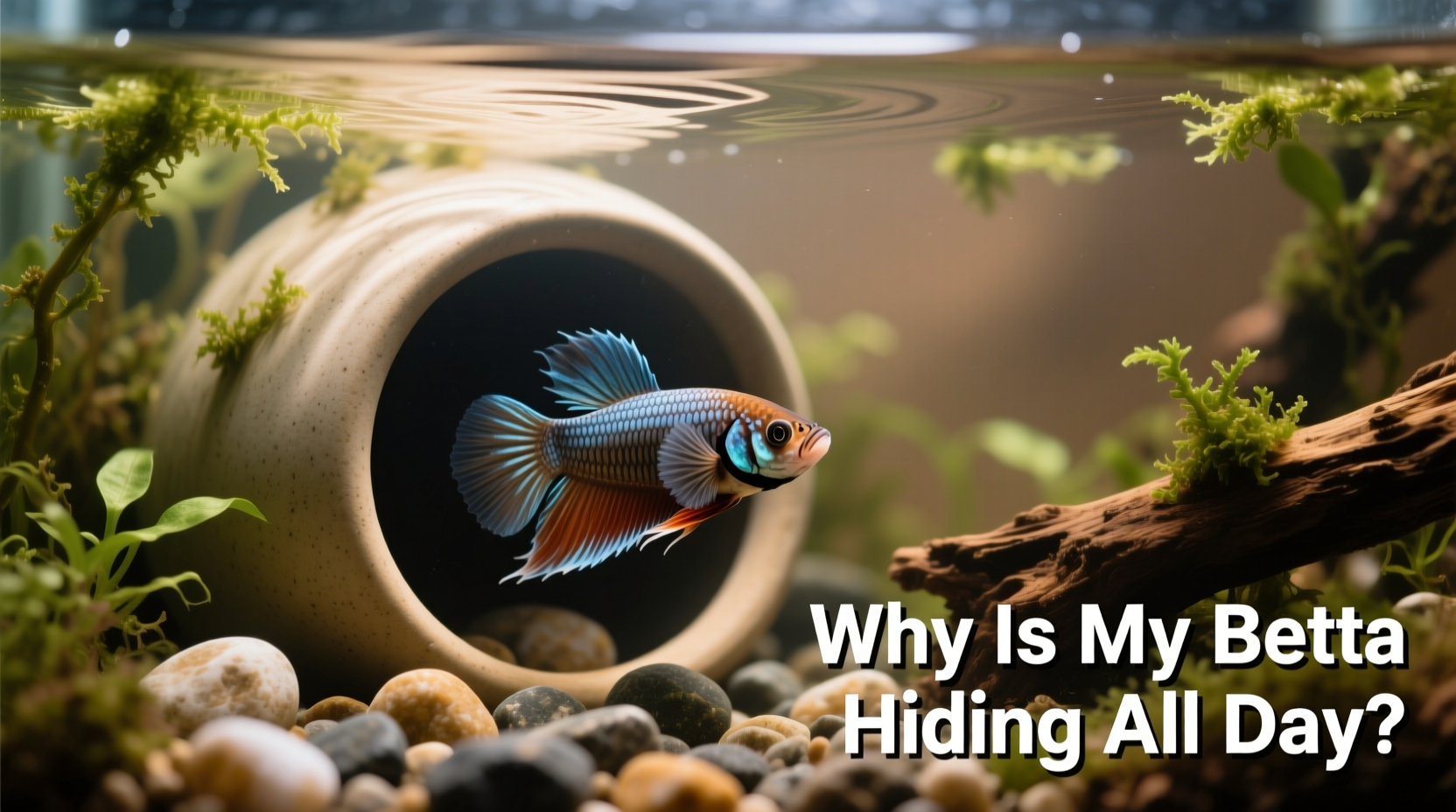
Betta fish may hide or become lethargic due to a variety of physical, environmental, and psychological factors. Identifying which cause applies to your situation is the first step toward effective intervention.
- Poor Water Quality: Ammonia, nitrite, or high nitrate levels can stress bettas, leading to reduced activity and increased hiding.
- Inadequate Tank Temperature: Bettas are tropical fish requiring warm water (76–80°F). Cold water slows metabolism and causes lethargy.
- Stress from Tank Mates or Environment: Aggressive tank mates, loud noises, or sudden movements near the tank can frighten bettas.
- Sickness or Disease: Conditions like fin rot, ich, or internal infections often manifest as loss of appetite and sluggishness.
- Lack of Hiding Spots or Overexposure: Paradoxically, too few hiding places can stress a betta, but so can an over-decorated tank that limits swimming space.
- New Environment Adjustment: A recently introduced betta may hide for several days while acclimating to a new tank.
Water Quality: The Foundation of Betta Health
Even minor imbalances in water chemistry can have dramatic effects on a betta’s behavior. Unlike hardier fish species, bettas are particularly vulnerable to toxins produced by waste decomposition.
Ammonia spikes—often caused by overfeeding, infrequent water changes, or insufficient filtration—can burn gills and damage internal organs. Nitrites interfere with oxygen transport in the blood, mimicking suffocation. High nitrates, while less immediately toxic, contribute to chronic stress when consistently elevated above 40 ppm.
A stable pH between 6.5 and 7.5 is ideal. Rapid fluctuations in pH or hardness can also disorient and weaken your betta. If you're using tap water, always dechlorinate it before adding it to the tank, as chlorine and chloramine are lethal to fish.
“Over 80% of betta health issues I see in home aquariums stem from poor water conditions. Regular testing and maintenance are non-negotiable.” — Dr. Lena Patel, Aquatic Veterinarian
Step-by-Step Guide to Testing and Correcting Water Parameters
- Use a reliable liquid test kit (not strips) to measure ammonia, nitrite, nitrate, pH, and temperature.
- If ammonia or nitrite is above 0 ppm, perform a 50% water change immediately using conditioned water matched to tank temperature.
- Check filter function—ensure it’s running properly and not clogged.
- Add a water conditioner that neutralizes chlorine, chloramine, and detoxifies ammonia if needed.
- Re-test water after 24 hours. Repeat partial changes if necessary until parameters stabilize.
- Establish a routine: 25–30% water change weekly for tanks under 5 gallons; biweekly for larger, filtered setups.
Tank Setup and Environmental Stressors
The design and placement of your betta’s tank play a crucial role in its sense of security and activity level. An improperly set-up environment can lead to chronic stress, suppressing natural behaviors.
Bettas need a balance of open swimming space and safe retreats. Too many decorations or plants can make navigation difficult, while bare tanks leave them exposed and anxious. Ideal setups include live or silk plants, smooth caves, and driftwood positioned to create shaded zones.
Avoid placing the tank in high-traffic areas, near televisions, or next to windows with direct sunlight. Vibrations from foot traffic or loud sounds can startle your fish, prompting it to stay hidden. Similarly, bright overhead lighting left on for extended periods can cause discomfort.
| Factor | Recommended | Avoid |
|---|---|---|
| Tank Size | 5+ gallons with lid | Small bowls or cups |
| Temperature | 76–80°F (24–27°C) | Cold rooms or unheated tanks |
| Lighting | 8–10 hours daily, moderate intensity | Constant bright light |
| Hiding Spots | 2–3 secure shelters (e.g., ceramic caves, plant cover) | Sharp or overcrowded decor |
| Surface Access | Lid with small gap for air breathing | Completely sealed tops |
Health Issues That Cause Lethargy and Hiding
When environmental factors are ruled out, illness becomes the primary suspect. Common diseases in bettas present with subtle behavioral shifts before visible symptoms appear.
- Fin Rot: Caused by bacterial infection, often due to poor water. Signs include frayed, discolored fins and clamped fins held close to the body.
- Ich (White Spot Disease): Appears as tiny white dots on the body and gills. Affected fish scratch against objects and isolate themselves.
- Dropsy: Characterized by pinecone-like scale protrusion due to fluid retention. Highly fatal if not caught early.
- Swim Bladder Disorder: Impairs buoyancy, causing fish to float upside down or sink to the bottom. Often linked to overfeeding or constipation.
- Internal Parasites: Can cause bloating, loss of appetite, and extreme lethargy.
If your betta isn’t eating, has cloudy eyes, labored breathing, or abnormal feces (white stringy poop), disease is likely. Immediate isolation and treatment may be required, especially if other fish are present.
Mini Case Study: Recovering a Stressed Betta
Sarah adopted a male betta named Blaze from a local pet store. For the first two days, he flared at his reflection and swam actively. By day four, he stopped eating and stayed buried under a fake castle decoration. Concerned, Sarah tested her 3-gallon tank and found 1.0 ppm ammonia and a temperature of 72°F.
She performed a 50% water change, added a heater set to 78°F, and used a water conditioner with ammonia detoxifier. She removed excess decor and turned off the tank light for 24 hours to reduce stress. After three days of clean water and stable heat, Blaze began exploring again and accepted frozen bloodworms. Within a week, his color returned, and he resumed regular swimming patterns.
This case highlights how quickly water quality and temperature affect betta behavior—and how prompt action leads to recovery.
Checklist: What to Do If Your Betta Is Hiding and Not Swimming
- ✅ Test water for ammonia, nitrite, nitrate, pH, and temperature.
- ✅ Check heater function and ensure water is between 76–80°F.
- ✅ Inspect for signs of disease: clamped fins, spots, bloating, or rapid gill movement.
- ✅ Evaluate tank setup: remove sharp or overcrowded decorations.
- ✅ Perform a 25–50% water change with properly conditioned water.
- ✅ Reduce external disturbances: move tank away from noise or vibrations if possible.
- ✅ Offer high-quality food: try thawed frozen bloodworms or brine shrimp to stimulate appetite.
- ✅ Monitor for 24–48 hours. If no improvement, consider targeted treatment for common illnesses.
Frequently Asked Questions
Is it normal for a betta fish to hide occasionally?
Yes, brief periods of rest or hiding are normal, especially during dim lighting or after feeding. However, continuous hiding lasting more than 48 hours—especially when paired with lack of swimming or eating—is not normal and requires investigation.
Can a stressed betta recover on its own?
Sometimes, if the stressor is temporary—like a sudden noise or brief temperature dip—a betta may recover within a day. But chronic stress from poor water, illness, or inadequate habitat will not resolve without human intervention and can lead to death if ignored.
Should I quarantine a lethargic betta?
If you suspect illness, especially contagious conditions like ich or fin rot, moving your betta to a separate hospital tank is advisable. This prevents spreading disease to tank mates and allows for focused treatment without affecting the main tank’s biofilter.
Conclusion: Act Early, Care Consistently
A betta fish that hides all day and barely swims is sending a clear signal that something is wrong. Whether the cause is poor water quality, incorrect temperature, environmental stress, or illness, timely attention makes all the difference. These intelligent, expressive fish thrive when provided with stable, clean environments and attentive care.
By systematically evaluating water parameters, tank setup, and health indicators, most issues can be identified and corrected before they escalate. Remember, prevention is always better than cure—routine maintenance, proper feeding, and thoughtful tank design go a long way in keeping your betta vibrant and active.
💬 Have you helped a lethargic betta recover? Share your experience or questions in the comments—your insight could help another fish keeper in need.








