The animated superhero series Invincible, available on Amazon Prime Video, has gained widespread acclaim for its compelling storytelling, emotional depth, and dynamic animation. However, despite its cartoon format, it is rated TV-MA—a classification indicating it's intended for mature audiences only. Many viewers, especially parents, are surprised by this rating, assuming animation equates to family-friendly content. The truth is, Invincible is anything but child-appropriate. This article breaks down exactly why the show holds a TV-MA rating, explores the nature of its mature content, and provides guidance for viewers navigating its intense themes.
Understanding the TV-MA Rating System
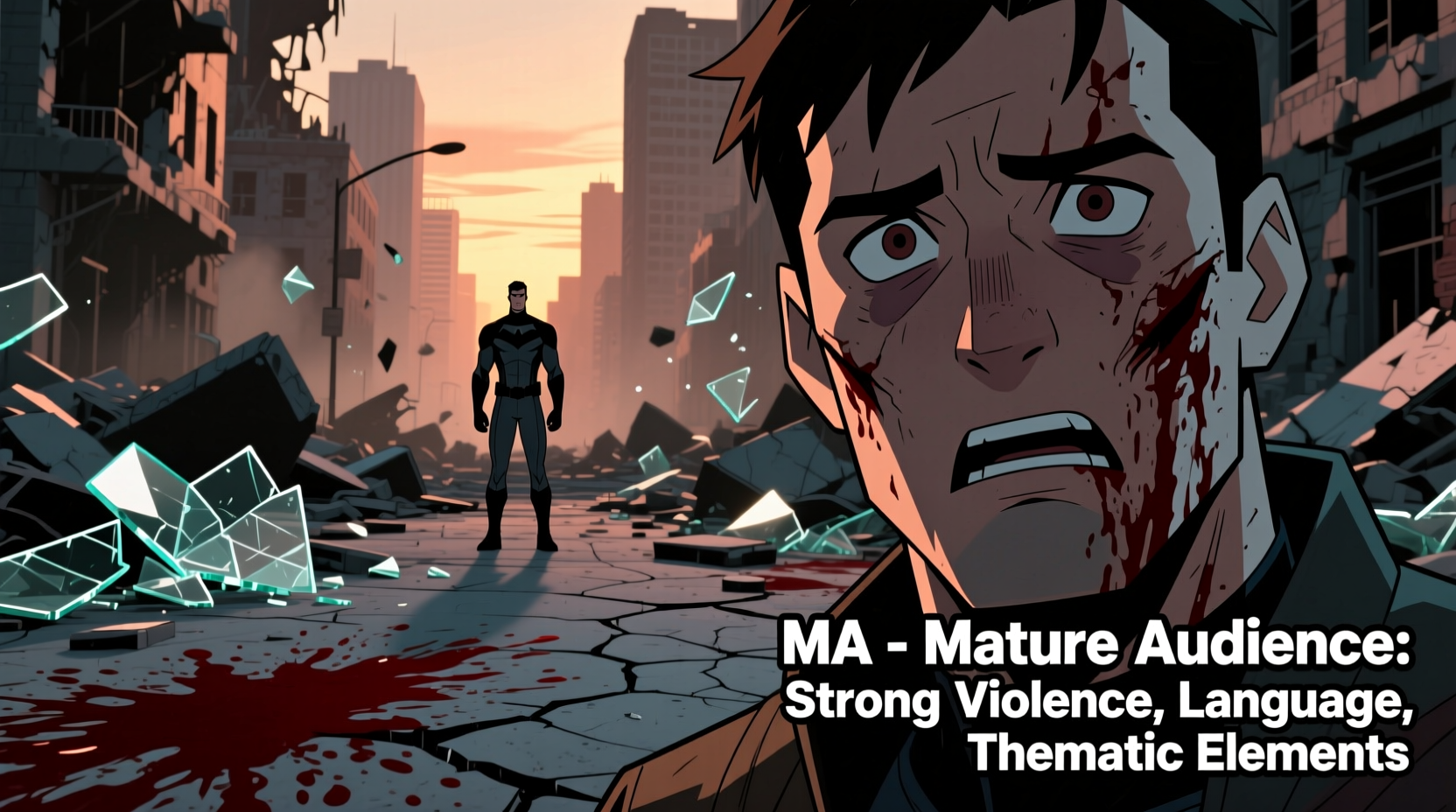
The TV-MA (Television Mature Audience) rating is assigned by the TV Parental Guidelines Monitoring Board in the United States. It signifies that a program is specifically designed for adults and may be unsuitable for children under 17. Unlike PG or TV-14 ratings, which allow for moderate language or implied violence, TV-MA programs often contain explicit material across several categories:
- Strong, graphic violence
- Frequent use of coarse language
- Suggestive or explicit sexual content
- Themes involving trauma, abuse, or moral ambiguity
Invincible consistently falls into all of these categories. While many animated shows target younger demographics, this series deliberately subverts expectations by using animation as a vehicle for adult storytelling. Its style allows for exaggerated visuals, but the narrative weight and consequences are grounded in realism and psychological complexity.
Graphic Violence: The Core Reason for the Rating
No single element defines Invincible's TV-MA status more than its depiction of violence. The show features hyper-detailed, slow-motion sequences of brutal combat where bones snap, limbs are torn off, and characters explode in gory fashion. These scenes are not sanitized or stylized for comedic effect—they are visceral, prolonged, and often emotionally jarring.
One of the most infamous moments occurs in Episode 8, “Where I Really Come From,” where a pivotal character suffers a fate so extreme it became a viral talking point. Without spoiling specifics, the scene involves betrayal, dismemberment, and psychological torment—all rendered with cinematic intensity. Such moments aren’t isolated; they recur throughout both seasons, reinforcing the show’s central theme: superheroism isn’t glamorous—it’s costly, painful, and sometimes monstrous.
“Animation doesn’t soften the impact. If anything, the clarity of the visuals makes the violence more disturbing because there’s no ambiguity about what’s happening.” — Dr. Lena Park, Media PsychologistTip: Parents should not assume animated content is safe for teens without previewing it first. Invincible contains levels of gore comparable to R-rated live-action films.
Language, Themes, and Emotional Intensity
Beyond physical violence, Invincible uses strong language liberally. Characters regularly use profanity—including slurs and sexually charged expressions—in dialogue meant to reflect real human stress, anger, or defiance. This linguistic rawness contributes significantly to the show’s authenticity and emotional weight.
Thematically, the series explores complex issues such as identity crisis, intergenerational trauma, authoritarianism, and moral compromise. Mark Grayson, the protagonist, grapples with his dual life as a high school student and a fledgling superhero, but his journey quickly spirals into ethical dilemmas far beyond typical coming-of-age arcs. He witnesses friends die, questions his father’s legacy, and confronts systems of power that exploit innocence.
The show also delves into darker interpersonal dynamics, including manipulation, gaslighting, and emotional abuse—particularly in relationships between authority figures and their subordinates. These elements, while not always overtly violent, contribute to an overall atmosphere of tension and unease that aligns with mature viewing standards.
Content Breakdown by Category
| Content Type | Frequency | Examples in Invincible |
|---|---|---|
| Graphic Violence | High (nearly every episode) | Limb removal, impalement, decapitation, internal organ damage shown explicitly |
| Strong Language | Moderate to High | Frequent use of f-bombs, s-words, and derogatory terms during intense scenes |
| Sexual Content | Low to Moderate | Suggestive dialogue, partial nudity, references to sexual relationships |
| Thematic Complexity | Very High | Identity, betrayal, corruption, loss, existential dread |
| Substance Use | Low | Minimal alcohol consumption shown; no drug use glorified |
A Real Viewer Experience: When Assumptions Backfire
Consider the case of James T., a father from Austin, Texas, who introduced Invincible to his 13-year-old son based on its comic-book aesthetic and superhero premise. After watching the first two episodes together, he noticed his son becoming increasingly withdrawn. During a particularly violent fight scene in Episode 3—where a villain rips open a hero’s chest cavity—his son covered his eyes and later reported nightmares for over a week.
James shared, “I thought because it was animated, it would be like Spider-Man or Teen Titans. But the way the violence is drawn, the sounds, the silence afterward… it felt real. I underestimated how impactful it could be.”
This scenario underscores a growing gap in media literacy: visual format does not dictate appropriateness. Animation can—and in this case, does—deliver content as intense as any live-action thriller.
When Is Invincible Appropriate Viewing?
There’s no universal age at which someone is ready for Invincible. Emotional maturity matters more than chronological age. That said, here are guidelines to help determine if the show is suitable:
- Viewer Age: Generally recommended for ages 17 and up due to graphic content.
- Emotional Resilience: Does the viewer handle depictions of death, betrayal, or body horror well?
- Contextual Understanding: Can they distinguish fictional exaggeration from reality and process moral ambiguity?
- Parental Guidance: Co-viewing with discussion can help mitigate shock and encourage critical thinking.
Frequently Asked Questions
Is Invincible appropriate for teenagers?
Some older teens (16+) with high emotional maturity may handle the content, but parental discretion is strongly advised. The combination of extreme violence and psychological themes can be overwhelming, even for adults.
How does Invincible compare to other superhero shows?
Unlike The Flash or Spider-Man: Homecoming, which are PG-13 and focus on heroism and redemption, Invincible deconstructs the genre. It asks, “What if superheroes were flawed, corrupt, or outright evil?” This philosophical edge, paired with unflinching violence, sets it apart.
Can I skip the violent scenes?
Due to the narrative importance of key violent moments, skipping them risks misunderstanding major plot twists and character motivations. The violence is not gratuitous—it serves the story’s critique of power and responsibility.
Final Thoughts: Respecting the Rating, Honoring the Story
The TV-MA rating for Invincible isn’t a marketing gimmick or an overreaction. It’s a necessary warning label for content that challenges viewers physically and emotionally. The show uses its animated medium not to dilute reality, but to amplify it—allowing creators to depict extremes of power, pain, and consequence without practical limitations.
At the same time, recognizing the rating empowers viewers to make informed choices. Whether you're a fan of superhero lore, a parent managing screen time, or a young adult exploring complex narratives, understanding *why* Invincible carries this classification helps you engage with it responsibly.
💬 Have thoughts on animated shows for mature audiences? Share your perspective below. How do you decide what’s appropriate to watch—or recommend?








