
Chewing on ice may seem harmless—after all, it’s just frozen water. Many people enjoy the crunch and cool sensation, especially during hot weather or with a refreshing drink. But consistently chewing ice could signal deeper health issues and lead to preventable complications. While occasional ice consumption isn’t dangerous, habitual ice chewing (known as pagophagia) can damage teeth, affect digestion, and even point to underlying medical conditions like iron deficiency anemia.
Understanding the risks behind this common habit empowers individuals to make informed choices about their health. From dental trauma to nutritional imbalances, the consequences of chronic ice chewing are more serious than most realize.
Dental Damage from Ice Chewing
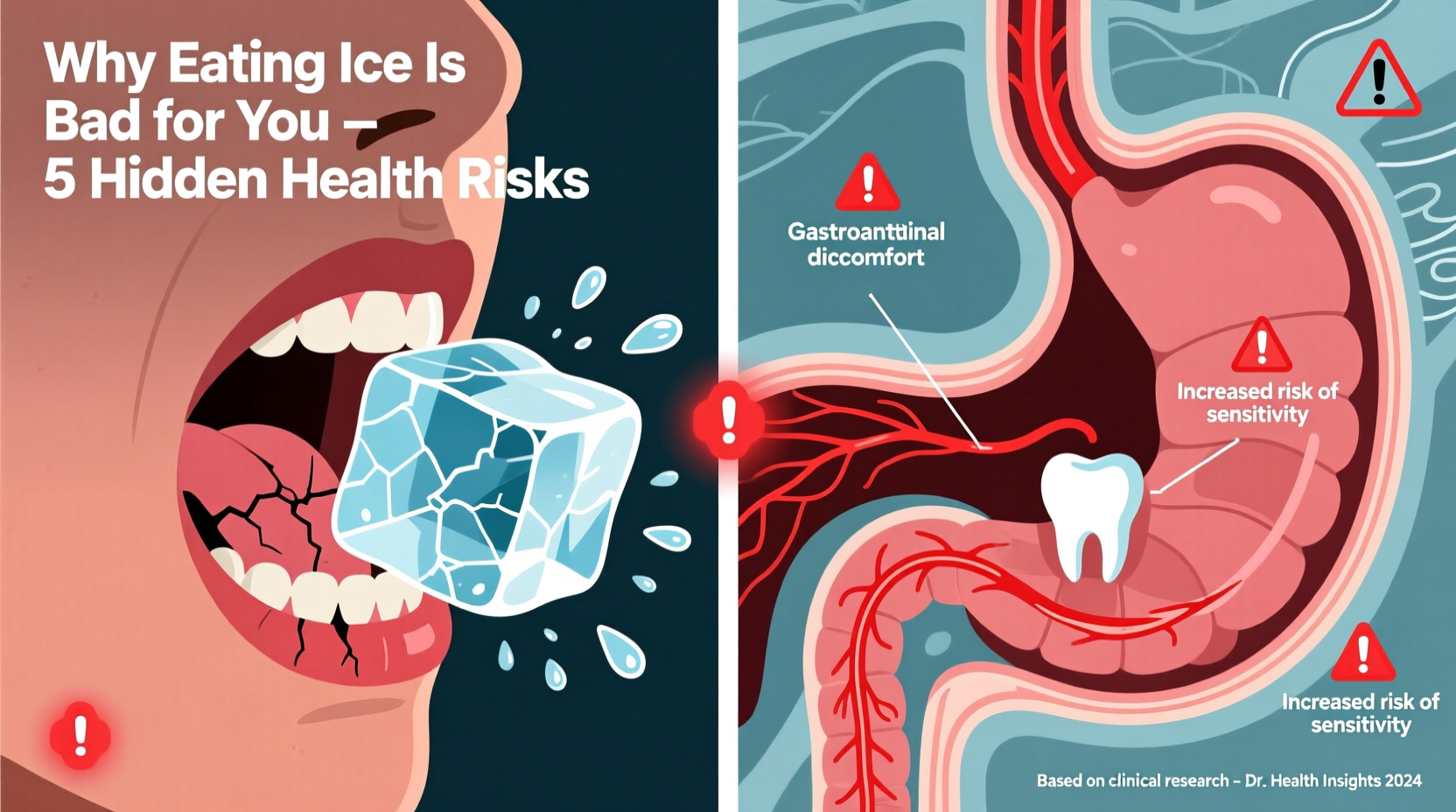
The human tooth is strong, but not indestructible. Enamel—the hard outer layer—is designed to handle daily wear, but it wasn’t built for crushing hard substances like ice cubes. Repeatedly chewing ice puts excessive pressure on teeth, increasing the risk of fractures, chips, and cracks.
Once enamel is damaged, it doesn’t regenerate. This leaves teeth vulnerable to decay, sensitivity, and infection. Dental restorations such as fillings, crowns, or veneers can also be compromised by the force of ice chewing.
Tip: If you crave ice, try letting it melt in your mouth instead of chewing. This reduces mechanical stress on your teeth while still providing a cooling effect.Common Dental Issues Linked to Ice Chewing
- Tooth enamel erosion
- Cracked or chipped teeth
- Damage to dental work (fillings, crowns)
- Inflamed jaw joints (TMJ discomfort)
- Increased tooth sensitivity to temperature
“Patients who chew ice regularly often come in with cracked molars or broken fillings. It’s one of the most preventable forms of dental trauma we see.” — Dr. Lena Torres, Restorative Dentist
Connection to Iron Deficiency Anemia (Pica)
One of the most concerning aspects of compulsive ice eating is its association with pica—a condition characterized by cravings for non-nutritive substances. Pagophagia, specifically the craving for ice, is strongly linked to iron deficiency anemia.
While the exact mechanism isn’t fully understood, research suggests that chewing ice may provide a mental boost in iron-deficient individuals. A 2014 study published in the journal Medical Hypotheses found that ice chewing increased alertness in patients with iron deficiency, possibly due to improved blood flow to the brain.
This temporary cognitive improvement can reinforce the habit, making it harder to break—even after diagnosis.
Signs That Ice Cravings May Signal Anemia
- Constant fatigue or weakness
- Pale skin or brittle nails
- Dizziness or shortness of breath
- Cold hands and feet
- Irritability or difficulty concentrating
Digestive and Oral Health Risks
Beyond dental concerns, consuming large amounts of ice can impact digestive function. Extremely cold temperatures can constrict blood vessels in the digestive tract and slow down gastric activity, potentially leading to discomfort after meals.
Some individuals report bloating, cramping, or altered bowel movements when consuming ice frequently. People with sensitive stomachs or conditions like irritable bowel syndrome (IBS) may find symptoms worsen with icy intake.
Additionally, ice made from contaminated water sources—especially in older buildings or poorly maintained ice machines—can harbor bacteria like Legionella or mold, posing infection risks.
| Risk Factor | Effect on Body | Prevention Strategy |
|---|---|---|
| Tooth fracture | Permanent structural damage | Avoid chewing; use crushed ice |
| Iron deficiency | Fatigue, poor concentration | Blood test and dietary changes |
| Digestive slowdown | Fullness, bloating | Limited ice consumption |
| Contaminated ice | Bacterial infection | Use filtered water for freezing |
Real-Life Example: Sarah’s Journey to Diagnosis
Sarah, a 32-year-old teacher, had been chewing ice almost constantly for over two years. She kept a thermos full of cubes at her desk and would refill it multiple times a day. When she started experiencing frequent headaches and noticed a sharp pain in her back molar, she visited her dentist.
X-rays revealed a hairline crack in a previously filled molar. During the consultation, the dentist asked about her ice habit and suggested she see her primary care provider. Blood work confirmed moderate iron deficiency anemia. After beginning iron supplementation, Sarah noticed her ice cravings diminished significantly within six weeks.
Her case highlights how a seemingly minor habit can mask a treatable medical condition. Addressing the root cause—not just the symptom—was key to her recovery.
How to Break the Ice-Chewing Habit: A Step-by-Step Guide
If you’re ready to stop chewing ice, a structured approach increases your chances of success. Follow these steps to reduce dependence and protect your health:
- Track Your Triggers: Keep a log for one week noting when and why you reach for ice (e.g., stress, boredom, thirst).
- Switch to Crushed Ice: Replace cubed ice with finely crushed or shaved ice, which requires less chewing.
- Stay Hydrated: Thirst is often mistaken for ice cravings. Drink room-temperature water throughout the day.
- Address Nutritional Gaps: Consult a healthcare provider to test for iron, B12, or other deficiencies.
- Find Substitutes: Try sugar-free gum, frozen fruit slices, or chilled cucumber pieces for oral stimulation.
- Monitor Progress: Set weekly goals and reward yourself for reducing ice consumption.
Frequently Asked Questions
Is it safe to eat ice if I don’t chew it?
Yes, allowing ice to melt in your mouth is generally safe and avoids dental damage. However, excessive consumption may still affect digestion in sensitive individuals.
Can children chew ice safely?
It’s best to discourage the habit early. Children’s enamel is still developing, and dental injuries from ice can impact permanent teeth. Also, persistent ice cravings in kids should be evaluated for nutritional deficiencies.
Why do I crave ice when I’m stressed?
Stress can trigger oral habits like chewing, nail-biting, or ice crunching as a form of sensory regulation. The repetitive motion may have a calming effect, but healthier alternatives like chewing gum or using a stress ball are recommended.
Protect Your Health: Know When to Seek Help
Occasional ice consumption is not harmful, but habitual chewing deserves attention. Whether it’s damaging your teeth or signaling an underlying deficiency, ignoring the behavior can lead to avoidable health setbacks. The good news is that both dental and medical causes are manageable with timely intervention.
If ice chewing has become a daily ritual, take action now. Talk to your dentist about your teeth, and schedule a blood test with your doctor to rule out anemia. Small lifestyle shifts—like switching to crushed ice or improving iron intake through diet—can make a lasting difference.
💬 Your habits matter. Share your experience or tips in the comments below—your story might help someone recognize a hidden health issue.








