In recent years, cold water swimming has surged from a fringe winter ritual to a mainstream wellness phenomenon. From social media influencers plunging into icy lakes to scientific studies highlighting its physiological effects, the practice is gaining attention for more than just shock value. Advocates claim improved mood, enhanced immunity, and better circulation. But with growing popularity comes increasing concern: how safe is it? While cold immersion offers measurable health advantages, it also carries serious risks—including hypothermia, cardiac strain, and drowning. Understanding both sides is essential for anyone considering taking the plunge.
The Rise of Cold Water Immersion
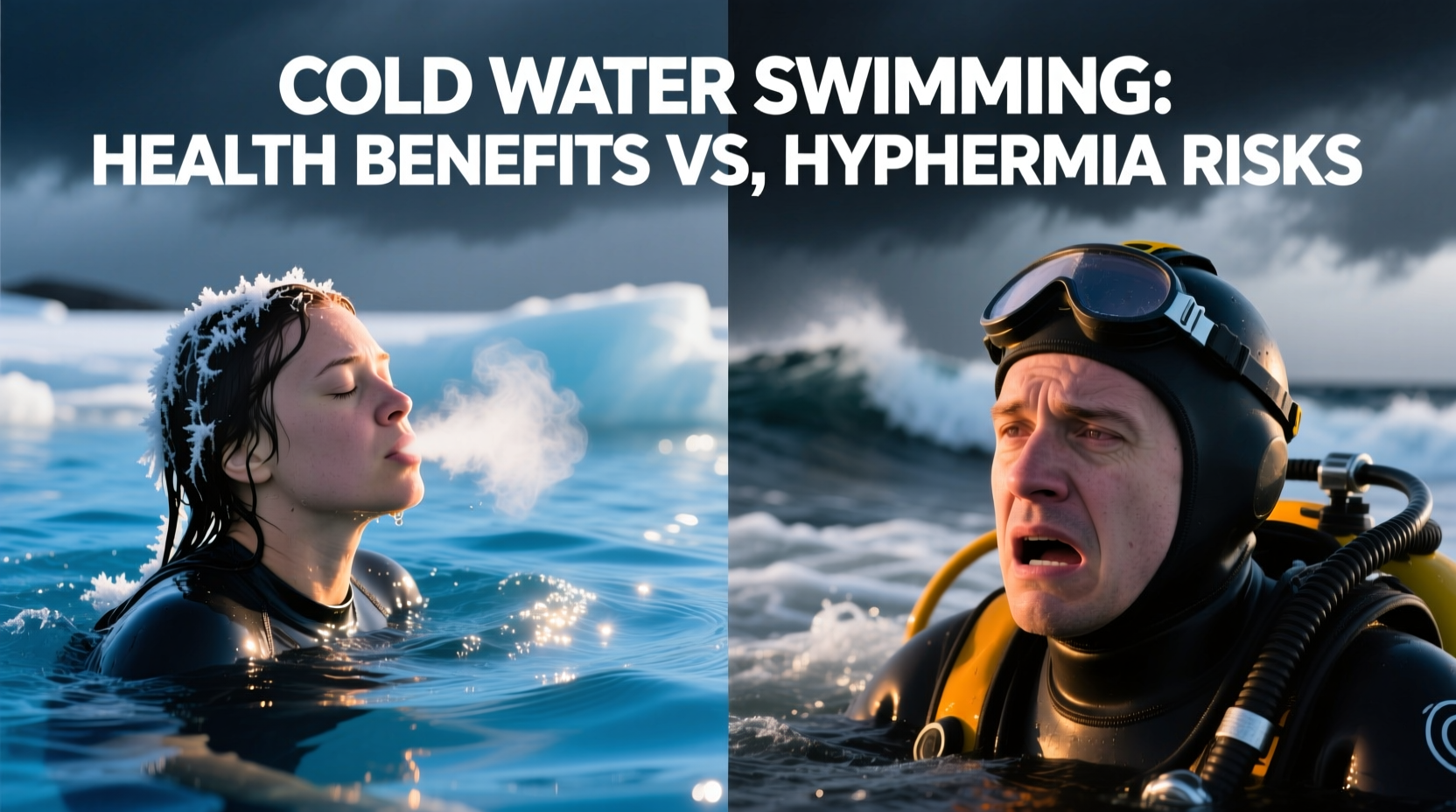
Cold water swimming—defined as immersion in water below 15°C (59°F)—has deep roots in cultures across Scandinavia, Russia, and Eastern Europe. However, its modern revival is largely driven by high-profile advocates like Wim Hof, whose “Iceman” method combines breathwork, mindset training, and cold exposure. Social media has amplified this trend, with hashtags like #ColdPlunge and #WinterSwim amassing millions of views. Fitness communities, biohackers, and mental health advocates now promote cold water therapy as a tool for resilience, energy, and emotional regulation.
What was once considered extreme is now offered at wellness retreats, urban recovery centers, and even home installations like cold plunge tubs. The appeal lies not only in anecdotal reports of invigoration but also in emerging research suggesting tangible biological responses to cold exposure.
Proven Health Benefits of Cold Water Swimming
Scientific interest in cold water immersion has grown alongside its popularity. Studies indicate that regular exposure triggers adaptive responses in the human body, leading to several potential health benefits:
- Improved Circulation: Cold water causes vasoconstriction—narrowing of blood vessels—which enhances cardiovascular efficiency over time. When the body warms up post-swim, vasodilation occurs, promoting blood flow and oxygen delivery.
- Reduced Inflammation: Cold immersion is known to lower inflammatory markers. Athletes use it for recovery after intense exercise, and some autoimmune patients report symptom relief.
- Enhanced Mood and Mental Resilience: Cold exposure stimulates the release of norepinephrine, a neurotransmitter linked to alertness and focus. A 2008 study published in Medical Hypotheses found that regular cold showers reduced symptoms of depression.
- Increased Brown Fat Activation: Unlike white fat (which stores energy), brown fat burns calories to generate heat. Cold exposure activates brown adipose tissue, potentially supporting metabolic health.
- Strengthened Immune Response: Research from the Thrombosis Research Institute in the UK observed elevated levels of immune cells like monocytes and lymphocytes in habitual cold water swimmers during winter months.
“Repeated cold water immersion trains the autonomic nervous system to respond more efficiently to stress—both thermal and psychological.” — Dr. Susanna Søberg, Metabolic Researcher, University of CopenhagenTip: Start with short exposures (30–60 seconds) and gradually increase duration. Never force prolonged immersion early on.
Understanding the Risks: Hypothermia and Cold Shock
Despite its benefits, cold water swimming is not without danger. The human body loses heat 25 times faster in water than in air, making temperature regulation difficult. Two primary threats exist: cold shock and hypothermia.
Cold Shock Response
This occurs within the first minute of immersion. Sudden cold triggers an involuntary gasp reflex, which can lead to water inhalation if the face is submerged. Rapid breathing, increased heart rate, and elevated blood pressure follow—posing particular risk to individuals with undiagnosed cardiovascular conditions.
Hypothermia
Hypothermia sets in when core body temperature drops below 35°C (95°F). Early signs include shivering, confusion, slurred speech, and loss of coordination. As it progresses, shivering may stop, consciousness fades, and organ function slows. In water at 10°C (50°F), unprotected adults can become hypothermic in under an hour. At 4°C (39°F), survival time may be as short as 30–50 minutes.
Additional risks include:
- Drowning: Impaired motor control due to cold reduces swimming ability.
- Afterdrop: Core temperature continues to fall even after exiting the water, as cold blood from extremities circulates back to the core.
- Cardiac Events: The sudden stress on the circulatory system can trigger arrhythmias or heart attacks, especially in those with pre-existing conditions.
Who Should Avoid Cold Water Swimming?
While many can benefit from controlled cold exposure, certain groups should proceed with caution—or avoid it entirely:
| Group | Risk Level | Recommendation |
|---|---|---|
| People with heart conditions | High | Avoid unsupervised immersion; consult cardiologist first. |
| Pregnant women | Moderate | Limited data; best to avoid extreme cold exposure. |
| Individuals with Raynaud’s disease | Moderate | May experience severe extremity pain or tissue damage. |
| Unfit or unacclimatized individuals | High | Start slowly; never attempt long durations without preparation. |
| Children under 12 | Moderate | Higher surface-to-volume ratio increases heat loss; supervision essential. |
How to Practice Cold Water Swimming Safely: A Step-by-Step Guide
To enjoy the benefits while minimizing risk, follow this gradual acclimatization process:
- Consult Your Doctor: Especially if you have cardiovascular issues, respiratory conditions, or are on medication affecting heart rate or blood pressure.
- Start with Cold Showers: Begin ending your daily shower with 30 seconds of cold water. Over weeks, extend to 2–3 minutes.
- Practice Breath Control: Learn calm breathing techniques before immersion to reduce the gasp reflex. Inhale deeply, exhale slowly through pursed lips.
- Choose Safe Locations: Swim in monitored areas with easy entry/exit points. Avoid strong currents, hidden rocks, or isolated spots.
- Never Swim Alone: Always have a buddy or spotter present. Inform someone of your plans and expected return time.
- Limit Initial Exposure: First few dips should last no more than 1–2 minutes. Gradually increase as your body adapts—over weeks, not days.
- Dress for Warm-Up: Have dry clothes, warm drinks, and insulation (like wool hats and blankets) ready immediately after exiting.
- Monitor Your Body: Shivering is normal; confusion, numbness, or inability to move limbs are red flags. Exit immediately if these occur.
Real-World Example: Sarah’s Winter Swim Journey
Sarah, a 42-year-old teacher from Scotland, began cold water swimming in October after struggling with seasonal depression and chronic fatigue. Initially skeptical, she started with brief dips at a local lido under the guidance of a swim group. Her routine: three times a week, starting at 45 seconds and building to four minutes over eight weeks.
Within a month, she reported improved sleep, sharper focus, and a noticeable lift in mood. Blood pressure readings, previously borderline high, normalized. She emphasized safety—always wearing a bright swim cap, entering slowly, and warming up with hot tea and layers. However, in December, after swimming in near-freezing conditions for six minutes, she experienced afterdrop: her hands became numb, and she felt dizzy upon exiting. Thanks to her preparedness, she was wrapped in blankets and recovered fully—but the incident reinforced the need for caution.
“It’s not about pushing limits,” she says. “It’s about consistency, respect for the water, and listening to your body.”
Essential Safety Checklist Before Every Dip
Use this checklist to minimize risk each time you enter cold water:
- ✅ Check water temperature and weather conditions
- ✅ Ensure a companion is present
- ✅ Wear visible swim gear (cap, brightly colored suit)
- ✅ Bring warm clothing, towel, and hot drink
- ✅ Time your swim (start short, max 5–10 minutes even when acclimated)
- ✅ Enter slowly—never jump in headfirst
- ✅ Monitor for signs of distress: gasping, confusion, loss of coordination
- ✅ Warm up gradually—avoid hot showers immediately after (risk of blood pressure drop)
Frequently Asked Questions
Can cold water swimming really help with depression?
Emerging evidence suggests yes. Cold exposure increases norepinephrine and beta-endorphin levels, both linked to improved mood and reduced anxiety. A 2021 case study in British Medical Journal Case Reports documented a woman with treatment-resistant depression who achieved remission after adopting regular cold plunges. However, it should complement—not replace—professional mental health care.
How cold does water have to be to count as ‘cold water swimming’?
Generally, water below 15°C (59°F) is considered cold. Temperatures between 10–15°C offer moderate challenge, while below 5°C (41°F) are extreme and require advanced preparation. Open water at 0–4°C (freezing but not solid due to salinity) demands expert-level knowledge and protective gear.
Is there a difference between cold showers and cold water swimming?
Yes. While both expose the body to cold, swimming involves full submersion, greater heat loss, and added physical exertion. The psychological impact of being in open water also differs significantly from a controlled shower environment. Swimming poses higher risks but may offer stronger adaptive benefits due to systemic immersion.
Conclusion: Balance Enthusiasm with Caution
Cold water swimming is trending for good reason—its potential health benefits are backed by both science and personal testimony. From boosting circulation to enhancing mental clarity, the practice can be a powerful addition to a holistic wellness routine. Yet, it is not a one-size-fits-all remedy. The same physiological mechanisms that confer resilience can, under wrong conditions, lead to life-threatening outcomes.
The key lies in informed, gradual practice. Respect the cold. Prepare thoroughly. Listen to your body. Whether you're drawn to the crisp clarity of a winter lake or simply curious about cold therapy, approach it with mindfulness and safety as your foundation.
🚀 Ready to explore cold water swimming? Start with a cold shower today, research local swim groups, and prioritize safety at every step. Share your journey or questions in the comments below—we’re all learning together.








