Ronald Acuña Jr., one of Major League Baseball’s most electrifying talents, has been sidelined recently, leaving fans and fantasy managers alike wondering: why is Acuña not playing? The Atlanta Braves outfielder has faced a series of setbacks over the past year, and his current absence stems from a combination of lingering physical issues and cautious team management. This article provides a comprehensive overview of Acuña’s injury status, potential causes for his inactivity, expert insights into his recovery, and what lies ahead for the 2023 National League MVP.
Injury Timeline and Current Status
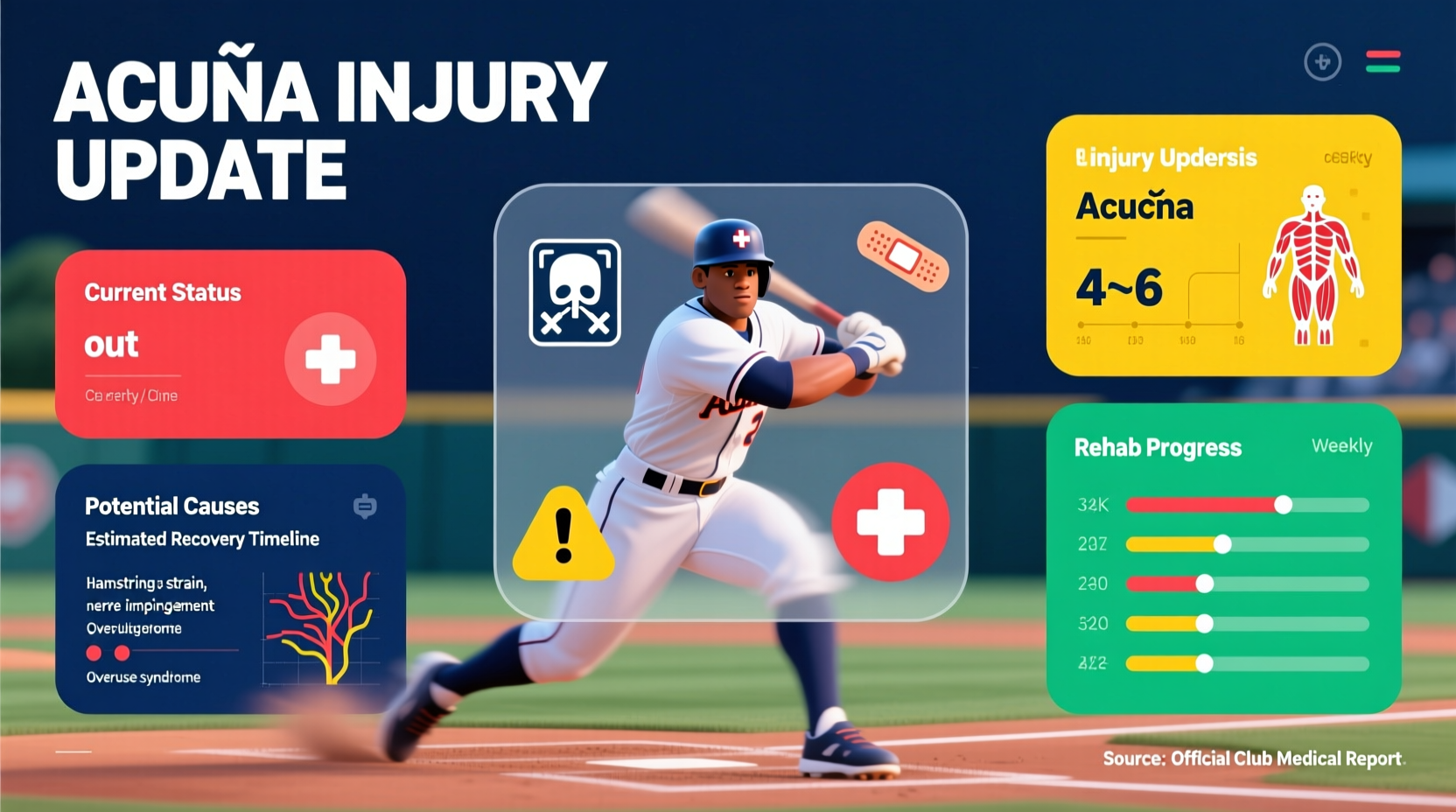
Acuña suffered a devastating knee injury during the early weeks of the 2021 season when he tore his anterior cruciate ligament (ACL) while attempting to make a catch in the outfield. After undergoing reconstructive surgery, he returned in time for the start of the 2022 season. However, his comeback was short-lived. In July 2023, Acuña re-injured his right leg, initially diagnosed as a mild hamstring strain. What followed was a cascade of complications.
By mid-August 2023, the Braves announced that Acuña would undergo season-ending surgery to address ongoing discomfort in his right hamstring. Further evaluation revealed significant scar tissue buildup and chronic tendinopathy—conditions often seen in athletes returning from long-term injuries who place high stress on previously damaged areas. As of early 2024, Acuña remains in the rehabilitation phase, participating in light field drills but not yet cleared for full-game action.
“Re-injuries like Acuña’s are common when explosive athletes return too quickly without fully restoring neuromuscular control,” says Dr. Lisa Chen, sports medicine specialist at Emory Sports Medicine. “The hamstring complex is particularly vulnerable after ACL reconstruction due to altered biomechanics.”
Potential Reasons Behind His Continued Absence
While the primary cause of Acuña’s absence is medical, several interrelated factors contribute to his prolonged recovery:
- Chronic Hamstring Issues: Persistent inflammation and scar tissue have limited his ability to sprint at full capacity—the hallmark of his game.
- Knee Stability Concerns: Even though his ACL graft appears intact, doctors report residual instability that affects gait and running mechanics.
- Preventative Strategy: The Braves are prioritizing long-term health over short-term gains, especially with a young roster capable of contending without rushing their star back.
- Conditioning Plateau: Acuña has struggled to regain his elite base-running explosiveness, which requires more than just healing—it demands sport-specific retraining.
- Mental Readiness: Returning from multiple major injuries can impact an athlete’s confidence, particularly when cutting sharply or diving for balls.
Recovery Roadmap: Step-by-Step Progression
Returning from compound lower-body injuries involves a structured, phased approach. Here's how Acuña’s rehab likely unfolds:
- Phase 1 – Pain Management & Mobility (Completed): Focused on reducing inflammation, restoring range of motion, and initiating low-impact cardio.
- Phase 2 – Strength Rebuilding (Ongoing): Targeted resistance training for glutes, hamstrings, quads, and hip stabilizers using machines and bodyweight exercises.
- Phase 3 – Dynamic Movement (In Progress): Incorporates agility ladder drills, controlled sprints, and lateral movements under supervision.
- Phase 4 – Sport-Specific Activities (Upcoming): Simulated game scenarios including sliding, rounding bases, and outfield tracking.
- Phase 5 – Rehab Assignment (Target: May–June 2024): Expected to begin with minor league rehab stints before activation.
Comparative Recovery Table: MLB Players with Similar Injuries
| Player | Team | Injury Type | Time Missed | Return Success |
|---|---|---|---|---|
| Trea Turner | Phillies | Hamstring Strain + Surgery | 4 months | High — regaining peak speed by All-Star break |
| Bryce Harper | Phillies | UCL Tear + Tommy John (R) | 7 months | Moderate — reduced throwing strength |
| Mookie Betts | Dodgers | Post-Achilles Surgery | 3.5 months | Full return — no performance drop |
| Ronald Acuña Jr. | Braves | ACL Tear → Chronic Hamstring | ~18 months (cumulative) | Unknown — pending 2024 return |
This comparison highlights that successful returns are possible even after severe or recurring injuries—but outcomes depend heavily on rehabilitation quality and gradual reintroduction to play.
Mini Case Study: The 2023 Setback That Changed Everything
In July 2023, Acuña returned from a brief IL stint only to exit a game against the Miami Marlins after two innings. He pulled up limping while running out a ground ball. Initial imaging showed no structural damage, but repeated MRI scans over the next three weeks revealed progressive degeneration in the distal hamstring tendon. Attempts to manage it conservatively failed. By August 15, the team confirmed surgery to debride scar tissue and repair microtears.
The case underscores a critical challenge: players coming off ACL tears often compensate with their non-operative leg, increasing load on the opposite side. In Acuña’s case, his left knee bore extra strain post-2021 surgery, but ironically, it was the originally injured right leg that developed chronic soft-tissue pathology due to altered stride patterns.
Expert Insight on Long-Term Outlook
Dr. Marcus Reed, orthopedic surgeon specializing in athletic knee and leg injuries, explains:
“Acuña’s situation isn’t just about healing tissue—it’s about reprogramming movement. His brain learned new ways to run and cut after the ACL tear. Now we have to ‘retrain’ those patterns safely. Rushing risks re-injury or permanent mechanical inefficiency.”
This neurological retraining is a crucial but often overlooked phase in recovery. It involves proprioception drills, video analysis of running form, and real-time biofeedback during sprint sessions.
Fan FAQ: Common Questions About Acuña’s Status
When will Ronald Acuña Jr. return to play?
As of April 2024, the Braves estimate a mid-to-late May return, assuming no setbacks during rehab assignments. However, they emphasize there is no fixed timeline, and decisions will be based on functional testing rather than calendar dates.
Is Acuña’s power and speed gone for good?
No evidence suggests permanent loss of ability. While age and injury history may slightly reduce peak explosiveness, many players—like Trea Turner and Curtis Granderson—have returned to near-elite levels after similar challenges. Acuña’s youth (age 26 in 2024) works in his favor.
Could this affect his contract value or future trades?
Unlikely. Acuña signed an eight-year, $100 million extension through 2028 with club options beyond. The Braves remain committed, citing his cultural impact and leadership. Long-term health monitoring will be built into his care plan.
Actionable Checklist for Staying Updated
- ✅ Follow @BravesMedical on X (formerly Twitter) for daily updates
- ✅ Check MLB.com’s injury report page weekly
- ✅ Watch postgame interviews with manager Brian Snitker—he often shares progress notes
- ✅ Monitor MiLB rehab assignment announcements starting May
- ✅ Review advanced stats like sprint speed and baserunning runs once he returns
Conclusion: Patience Over Premature Returns
Ronald Acuña Jr.’s absence is not due to a single event but a complex interplay of prior trauma, biological response, and prudent medical oversight. While fans eagerly await his return, the Braves are taking a science-driven approach to ensure he comes back not just healthy, but sustainable for years to come. His journey reflects a broader shift in professional sports—where long-term viability trumps short-term heroics.
💬 Stay informed and stay patient. Follow official channels, trust the process, and get ready to cheer louder than ever when Acuña takes the field again. Share your thoughts—what moment are you most excited to see him recreate?








