Anyone who has stepped off a long-haul flight knows the sensation: cheeks feeling taut, forehead pulling slightly, lips cracked despite balm. Your skin doesn’t just look dull—it feels different. Tighter. Less supple. While this post-flight discomfort is common, it’s not inevitable. The root causes are environmental, physiological, and often compounded by routine skincare missteps. Understanding the science behind in-flight skin changes—and taking proactive steps—can transform your travel experience from dehydrated and irritated to refreshed and resilient.
The Science Behind Post-Flight Skin Tightness
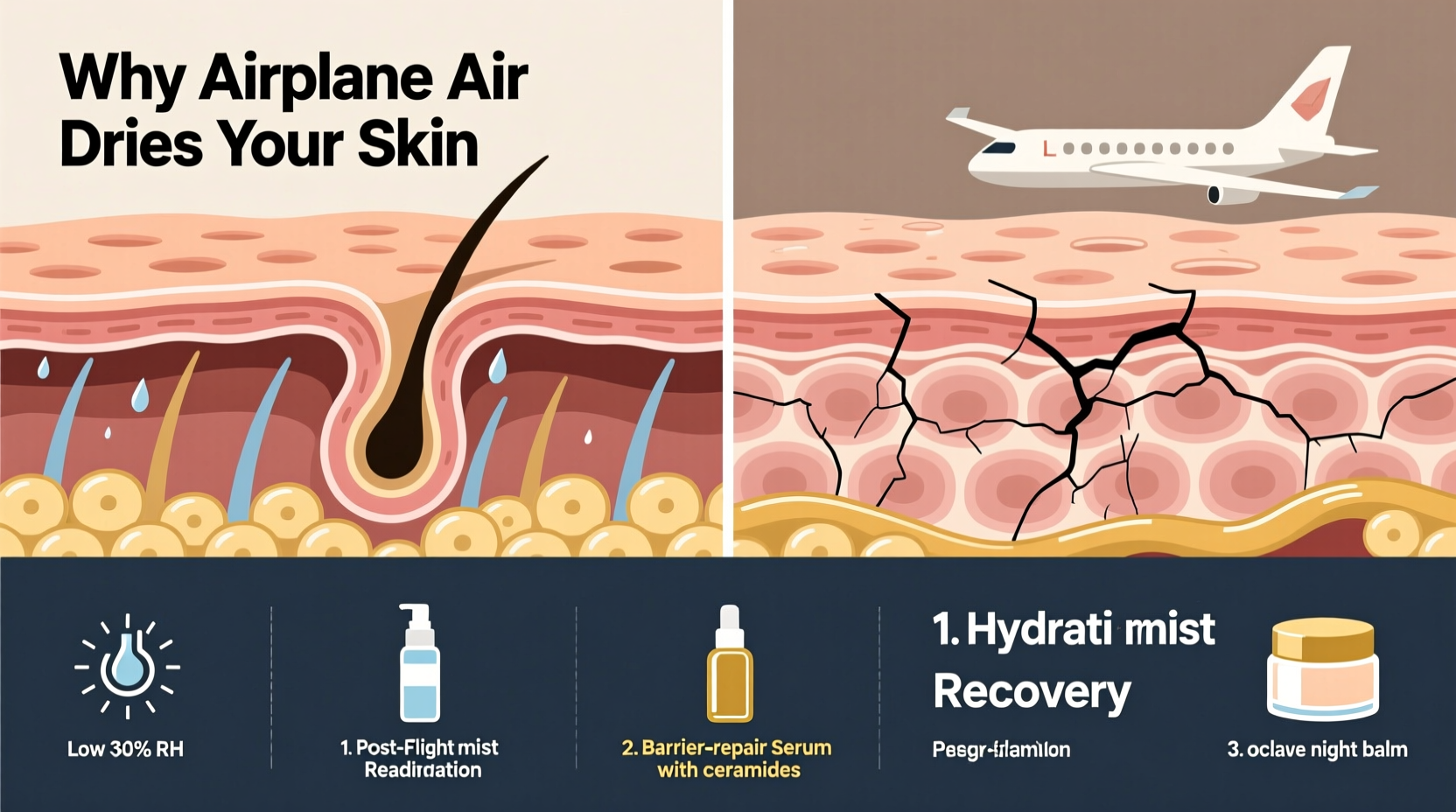
Aircraft cabins maintain a pressurized environment suitable for human respiration, but they are far from ideal for skin health. At cruising altitude (typically 30,000–40,000 feet), cabin air pressure is equivalent to about 6,000–8,000 feet above sea level. More critically, relative humidity inside the cabin averages between 10% and 20%, significantly lower than the 40–60% recommended for comfort and skin hydration.
This extremely dry air accelerates transepidermal water loss (TEWL)—the natural process where moisture escapes from the skin into the atmosphere. When ambient humidity drops, the gradient between your skin’s moisture and the surrounding air increases, speeding up evaporation. Over several hours, this leads to dehydration of the stratum corneum, the outermost layer of skin responsible for barrier function and elasticity.
Additionally, reduced oxygen levels at high altitudes can impair microcirculation, leading to diminished nutrient delivery and slower cellular repair. Combined with disrupted circadian rhythms, stress hormones, and potential alcohol or caffeine consumption during flights, these factors create a perfect storm for compromised skin integrity.
“Air travel is one of the most aggressive environmental stressors for the skin due to low humidity, pressure changes, and prolonged exposure to recirculated air.” — Dr. Lena Park, Board-Certified Dermatologist and Travel Medicine Specialist
Key Factors That Worsen Skin Dehydration During Flights
While cabin conditions affect everyone, individual habits and choices can amplify or mitigate their impact. Below are the primary contributors to post-flight tightness:
- Low Humidity Exposure: As mentioned, cabin air holds minimal moisture, directly drawing water from the skin.
- Inadequate Hydration: Many travelers drink little water during flights, relying instead on coffee, tea, or alcohol—all diuretics that increase fluid loss.
- Skincare Product Choices: Using foaming cleansers, alcohol-based toners, or overly stripping products before or during travel can weaken the skin barrier.
- Overheating or Layering Too Much: Sitting near vents or wearing heavy fabrics traps heat, increasing perspiration and subsequent dehydration.
- Pre-Existing Skin Conditions: Individuals with eczema, rosacea, or sensitive skin may experience flare-ups due to environmental stress.
How to Prepare Your Skin Before Flying
Prevention begins well before boarding. Preparing your skin days in advance builds resilience against in-flight stressors.
1. Increase Internal Hydration Gradually
Start hydrating properly 48–72 hours before departure. Aim for 2–3 liters of water daily, adjusting based on body weight and climate. Include electrolyte-rich foods like bananas, spinach, and coconut water to support fluid retention.
2. Strengthen Your Skin Barrier
Use ceramide-rich moisturizers and barrier-supporting ingredients like niacinamide and squalane in the week leading up to travel. These reinforce the lipid matrix of the skin, reducing TEWL during exposure to dry environments.
3. Exfoliate Strategically
Gentle exfoliation 24–48 hours before flying removes dead skin cells and allows better absorption of hydrating products. Avoid physical scrubs or strong acids within 12 hours of departure, as they may leave skin vulnerable.
4. Skip Heavy Makeup
On travel day, go bare-faced or use only lightweight tinted moisturizer. Makeup can clog pores under dry conditions and make skin feel tighter as it settles into fine lines.
| Action | Timing | Purpose |
|---|---|---|
| Begin drinking more water | 72 hours pre-flight | Improve systemic hydration |
| Apply ceramide moisturizer | Daily, starting 5 days out | Fortify skin barrier |
| Gentle chemical exfoliation | 1–2 days before flight | Enhance product penetration |
| Avoid retinoids & acids | 24 hours pre-flight | Reduce sensitivity risk |
What to Do During the Flight: A Step-by-Step Skincare Timeline
Maintaining skin health mid-flight requires deliberate, timed interventions. Follow this practical timeline for optimal results:
- Before Takeoff (0 min): Apply a thin layer of hydrating serum (hyaluronic acid-based) followed by an occlusive moisturizer. Seal in moisture before dry air exposure begins.
- After Cabin Pressurization (~30 min): Mist face with a thermal spring water spray. Rehydrate without disrupting makeup (if worn).
- Every 90 Minutes: Reapply facial mist. If skin feels particularly dry, gently press in a few drops of facial oil (e.g., rosehip or jojoba).
- Mid-Flight (3–4 hours in): Cleanse if needed using a micellar water wipe—especially if wearing sunscreen or makeup. Reapply serum and moisturizer afterward.
- During Meal Service: Drink 8 oz of water with each meal or beverage service. Avoid salty snacks that promote water retention and puffiness.
- Before Landing (~1 hour out): Refresh skin with another mist and oil blend. Apply lip balm generously. Consider placing a cool compress (damp cloth from restroom) over eyes to reduce puffiness.
Post-Flight Recovery Routine
Recovery starts immediately upon landing. Even if you followed in-flight protocols, your skin needs deeper nourishment after extended exposure to stressors.
Immediate Steps (Within 1 Hour of Arrival)
- Drink a full glass of water with electrolytes.
- Cleanse thoroughly with a creamy, non-foaming cleanser.
- Apply a hydrating mask containing hyaluronic acid, aloe vera, or panthenol.
- Follow with a rich night cream or sleeping mask.
Ongoing Care (Next 24–48 Hours)
Give your skin time to rebalance. Prioritize gentle care:
- Avoid active ingredients like retinol, vitamin C, or AHAs/BHAs for at least 24 hours.
- Sleep with a humidifier running if possible.
- Eat water-rich foods such as cucumber, watermelon, and oranges.
“I recommend a ‘skin reset’ after any flight longer than four hours—focus on hydration, not correction. Let the barrier recover before introducing exfoliants.” — Dr. Amira Chen, Cosmetic Dermatologist
Travel Skincare Checklist
Stay prepared with this essential checklist for every journey:
- ✔️ Hydrating facial mist (non-aerosol, TSA-compliant)
- ✔️ Serum with hyaluronic acid or glycerin
- ✔️ Rich moisturizer or facial oil
- ✔️ Gentle micellar water wipes
- ✔️ Occlusive lip balm (with shea butter or petrolatum)
- ✔️ Reusable silicone mask packets (for mess-free application)
- ✔️ Empty spray bottle for custom mist
- ✔️ Hydration tracker app or reminder to drink water
- ✔️ Nasal saline spray (indirectly supports skin by preventing respiratory dryness)
Real Example: A Business Traveler’s Transformation
Sarah, a 38-year-old consultant, used to dread her weekly transcontinental flights. Her combination skin would become flaky on her cheeks while breaking out across the T-zone. After three years of constant travel, she noticed premature fine lines around her eyes and persistent redness.
She consulted a dermatologist who identified chronic dehydration and barrier damage as root causes. Sarah implemented a new protocol: she began pre-hydrating two days before departure, switched to a ceramide-based moisturizer, and carried a minimalist in-flight kit. She set phone reminders to mist her face every 90 minutes and replaced her morning coffee with green tea on flights.
Within two months, her post-flight tightness disappeared. Colleagues commented on her “glow,” and her foundation applied smoothly again. Most importantly, her skin felt balanced—not tight, not oily. What changed wasn’t her genetics, but her strategy.
Frequently Asked Questions
Can I use a sheet mask during a flight?
Yes, but choose wisely. Opt for biodegradable, non-drip sheet masks designed for travel. Apply them during cruising altitude when cabin pressure is stable. Limit wear time to 15–20 minutes to avoid reverse osmosis (where the mask pulls moisture back from the skin if left too long in dry air).
Is it safe to apply oils on the plane?
Absolutely. Facial oils like squalane, argan, or marula are excellent for sealing in moisture. They’re non-comedogenic, lightweight, and help counteract TEWL. Use 2–3 drops and press—don’t rub—into the skin to avoid irritation.
Why does my skin feel tight even if I moisturize?
Surface moisturizing alone isn’t enough. Tightness indicates dehydration, not just dryness. You may be applying creams without first attracting water to the skin. Always layer hydrators (like hyaluronic acid) under occlusives (like shea butter) for true moisture retention.
Conclusion: Fly Smarter, Not Drier
Skin tightness after flying isn’t a minor inconvenience—it’s a signal that your body’s largest organ is struggling to adapt to extreme conditions. But with informed preparation, strategic in-flight care, and intentional recovery, you can protect your skin’s health and appearance no matter how many miles you log.
Start treating air travel like athletic performance: fuel your body, condition your systems, and recover deliberately. Your skin will respond with resilience, radiance, and comfort. The next time you step off a plane, let your glow speak louder than fatigue.
💬 Have a favorite travel skincare hack? Share your tip in the comments and help fellow travelers fly with healthier, happier skin!








