Swimming is one of the most enjoyable and effective forms of exercise, but many regular swimmers notice an unpleasant odor lingering in their hair long after they've left the pool. That distinct, musty, sometimes chemical-like smell—often described as \"wet dog,\" \"metallic,\" or even \"rotten eggs\"—can be both embarrassing and frustrating. While chlorine is commonly blamed, the real cause is more complex than simply exposure to pool chemicals. Understanding the science behind this phenomenon, along with practical prevention and treatment strategies, can help you enjoy swimming without compromising your hair’s health or scent.
The Chemistry Behind the Smell
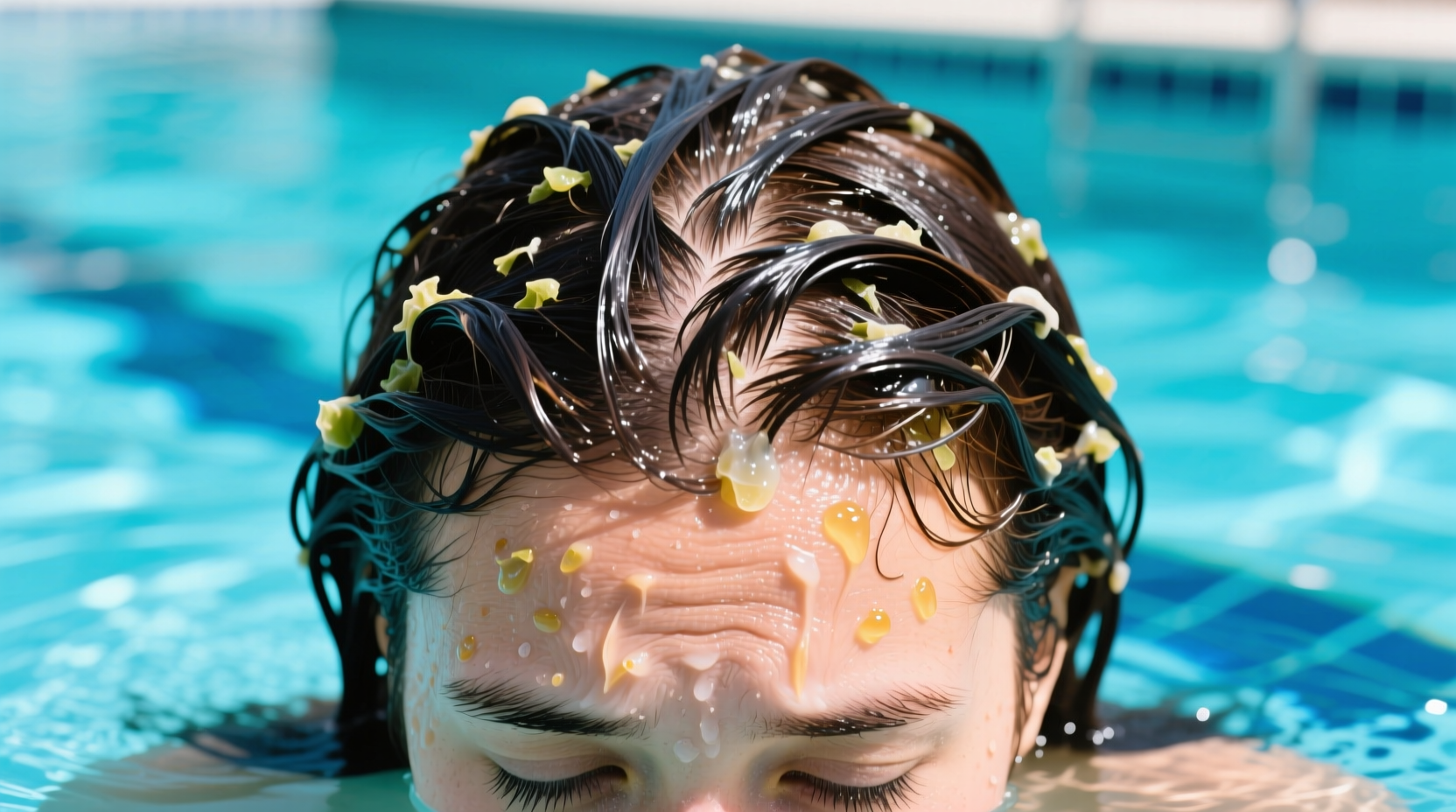
Chlorine itself is not the primary culprit behind smelly hair after swimming. Pure chlorine is a gas that quickly dissolves in water and reacts with organic compounds. The issue arises when chlorine combines with contaminants introduced by swimmers—such as sweat, urine, body oils, and cosmetics—to form disinfection byproducts (DBPs). Among the most common are chloramines, particularly trichloramine.
Trichloramine is volatile and easily absorbed by porous materials like hair. Unlike skin, which sheds and renews frequently, hair retains these compounds until properly cleansed. This compound emits a pungent, irritating odor often mistaken for excess chlorine. In fact, strong-smelling pools usually indicate poor maintenance and high levels of organic waste, not excessive chlorine.
“Many people think they’re smelling chlorine, but they’re actually smelling chloramines—chemicals formed when chlorine reacts with ammonia from sweat and urine.” — Dr. Chris Wiant, Environmental Health Scientist, Water Quality & Health Council
Additionally, hair—especially color-treated, bleached, or naturally porous types—acts like a sponge, absorbing these compounds deep into the cortex. Once embedded, the odor can linger for hours or even days if not properly addressed.
Why Hair Is Particularly Vulnerable
Hair structure plays a significant role in odor retention. The outer layer of hair, the cuticle, consists of overlapping scales. When exposed to chlorinated water, especially over time, the cuticle lifts and becomes more porous. This allows chloramines and other DBPs to penetrate the inner cortex where they bind to keratin proteins.
Several factors increase susceptibility:
- Damaged or chemically treated hair: Bleaching, perming, or frequent heat styling weakens the cuticle, making it easier for odors to embed.
- High porosity hair: Naturally curly or coarse hair tends to be more porous and thus absorbs more contaminants.
- Infrequent washing: Not cleansing soon after swimming gives more time for chemical bonds to form.
- Wearing swim caps improperly: Latex or silicone caps may reduce exposure but rarely provide full protection unless fitted correctly.
How Chlorine Affects Hair Beyond Odor
The problems don’t stop at smell. Prolonged exposure to chlorinated water can lead to multiple structural and cosmetic issues:
| Effect | Description | Long-Term Risk |
|---|---|---|
| Dryness & Brittleness | Chlorine strips natural oils, leading to dehydration. | Splintering, breakage, split ends |
| Color Fading | Oxidizes dyes, especially reds and blondes; causes brassiness. | Uneven tone, increased maintenance |
| Protein Loss | Breaks down keratin, weakening hair shaft integrity. | Reduced elasticity, thinning appearance |
| Greenish Tint | Copper in pool algaecides binds to damaged hair. | Persistent discoloration, misdiagnosed as chlorine damage |
These effects compound the odor problem. Damaged hair not only holds onto smells longer but also requires more intensive care to restore.
Step-by-Step Guide to Eliminate and Prevent Smelly Hair
Removing post-swim odor isn't just about shampooing—it's about targeting the source. Follow this timeline for best results:
- Pre-Swim Rinse (5 minutes before): Soak hair in clean, non-chlorinated water. This reduces absorption of chlorinated water by filling the hair shaft first.
- Wear a Properly Fitted Swim Cap: Use a silicone cap for better seal. Ensure all hair is tucked inside. Double-capping (latex under silicone) adds extra protection.
- Post-Swim Rinse (Immediately after): Use fresh water to rinse hair thoroughly at poolside. Focus on scalp and mid-lengths where odor accumulates.
- Apply a Pre-Wash Treatment (Optional but effective): Spray or apply a vitamin C solution (ascorbic acid mixed with water) to neutralize chlorine residues. Vitamin C breaks the bond between chlorine and organics.
- Shampoo with a Clarifying Product: Use a chelating or swimmer-specific shampoo 2–3 times weekly. Look for ingredients like sodium thiosulfate, which dechlorinates, or EDTA, which removes metals.
- Condition Deeply: Apply a moisturizing conditioner or mask to restore lipids and seal the cuticle. Avoid heavy silicones if you swim daily, as buildup can trap odors.
- Air Dry Away from Sunlight: UV rays can reactivate residual compounds. Dry in shade or indoors.
Recommended Products for Swimmers
- Malibu C Swimmer’s Wellness Shampoo – Uses vitamin C and chelating agents.
- TRISWIM Chlorine Removal Shampoo – Contains sodium thiosulfate and aloe vera.
- Paul Mitchell Tea Tree Special Conditioner – Lightweight, clarifying, and soothing.
- DIY Vitamin C Spray: Crush 1,000mg vitamin C tablet, mix with 1 cup warm water in a spray bottle.
Mini Case Study: Competitive Swimmer Recovering Hair Health
Sarah, a 24-year-old collegiate swimmer, trained six days a week in indoor chlorinated pools. After two seasons, she noticed her blonde hair had developed a persistent metallic smell and began turning green at the ends. Despite daily shampooing, the odor returned within hours of washing.
She consulted a trichologist who identified copper buildup from algaecide and severe porosity due to chlorine exposure. Her routine was adjusted: pre-wetting hair before each session, wearing a double swim cap, using a vitamin C spray immediately post-swim, and switching to a chelating shampoo twice weekly. Within three weeks, the green tint faded and the odor disappeared. She now maintains healthy hair with bi-weekly deep conditioning and monthly protein treatments.
This case highlights that odor is often a symptom of deeper damage—and that targeted interventions yield faster, longer-lasting results than generic washing.
Common Myths About Pool Hair Odor
Misinformation leads many swimmers to ineffective or harmful routines. Here are some widespread myths:
- Myth: More shampoo = cleaner hair. Overwashing strips natural oils, increasing porosity and odor retention.
- Myth: Only blonde hair turns green. All hair types can bind copper, but it’s more visible in light hair.
- Myth: Rinsing once is enough. Multiple rinses or specialized products are needed to fully remove bound chloramines.
- Myth: Chlorine kills bacteria on hair. While chlorine sanitizes water, it doesn’t “clean” hair—it contaminates it.
Checklist: Post-Swim Hair Care Routine
Use this checklist after every swim session to prevent odor and damage:
- ✅ Rinse hair immediately with clean water
- ✅ Apply vitamin C spray or swimmer’s detangler
- ✅ Wash with a clarifying or dechlorinating shampoo
- ✅ Condition from mid-shaft to ends
- ✅ Gently towel-dry—avoid vigorous rubbing
- ✅ Store swim cap and gear in a dry, ventilated area
- ✅ Perform a deep conditioning treatment weekly
Frequently Asked Questions
Can drinking pool water cause the same odor on hair?
No, ingestion doesn’t affect hair. The odor comes from external exposure and absorption through the hair shaft, not internal metabolism.
Does saltwater pools eliminate the smell?
Saltwater pools still generate chlorine through electrolysis, so chloramines can form. However, they typically have lower chlorine levels and fewer organics, reducing—but not eliminating—the risk of odor.
Is the smell harmful to health?
While unpleasant, occasional exposure isn’t dangerous. However, chronic inhalation of trichloramine vapors (common in poorly ventilated indoor pools) can irritate lungs and exacerbate asthma. Addressing hair odor also improves overall respiratory safety around pools.
Expert-Backed Prevention Strategies
Leading dermatologists and trichologists emphasize proactive care. According to Dr. Angela J. Lamb, Director of Cosmetic Dermatology at Mount Sinai:
“The key is not to wait until the smell appears. Think of swimmer’s hair care like sunscreen—prevention is far more effective than correction.”
She recommends integrating protective steps into your swim routine just as you would sunscreen or goggles. Pre-wetting, using antioxidant sprays, and rotating clarifying shampoos help maintain hair integrity. For children and competitive swimmers, establishing these habits early prevents long-term damage.
Conclusion: Take Control of Your Swim Experience
The odd smell in your hair after swimming isn’t inevitable—it’s a sign of chemical exposure that can be managed with knowledge and consistency. By understanding how chloramines form, why hair absorbs them, and what steps truly work, you reclaim control over your hair’s health and freshness.
Don’t let post-swim odor discourage you from enjoying the water. With simple adjustments—like pre-rinsing, using vitamin C sprays, and choosing the right shampoo—you can swim regularly while keeping your hair clean, strong, and odor-free. Start today: equip your swim bag with a travel-sized dechlorinating shampoo and a reusable spray bottle. Your hair will thank you after every dip.
💬 Have a favorite swim hair hack? Share your tip in the comments and help fellow swimmers stay fresh and confident!








