
Seeing your goldfish floating belly-up or struggling to maintain balance in the tank is alarming. While it might look like a quirky behavior at first, consistent upside-down swimming is rarely normal. It’s usually a sign of swim bladder disorder—a common but treatable condition in goldfish. The swim bladder is an internal organ that helps fish control buoyancy. When it malfunctions, your fish may struggle to stay upright, sink to the bottom, or float uncontrollably at the surface. Early identification and intervention can mean the difference between a quick recovery and long-term health complications.
Understanding the Swim Bladder and Its Role
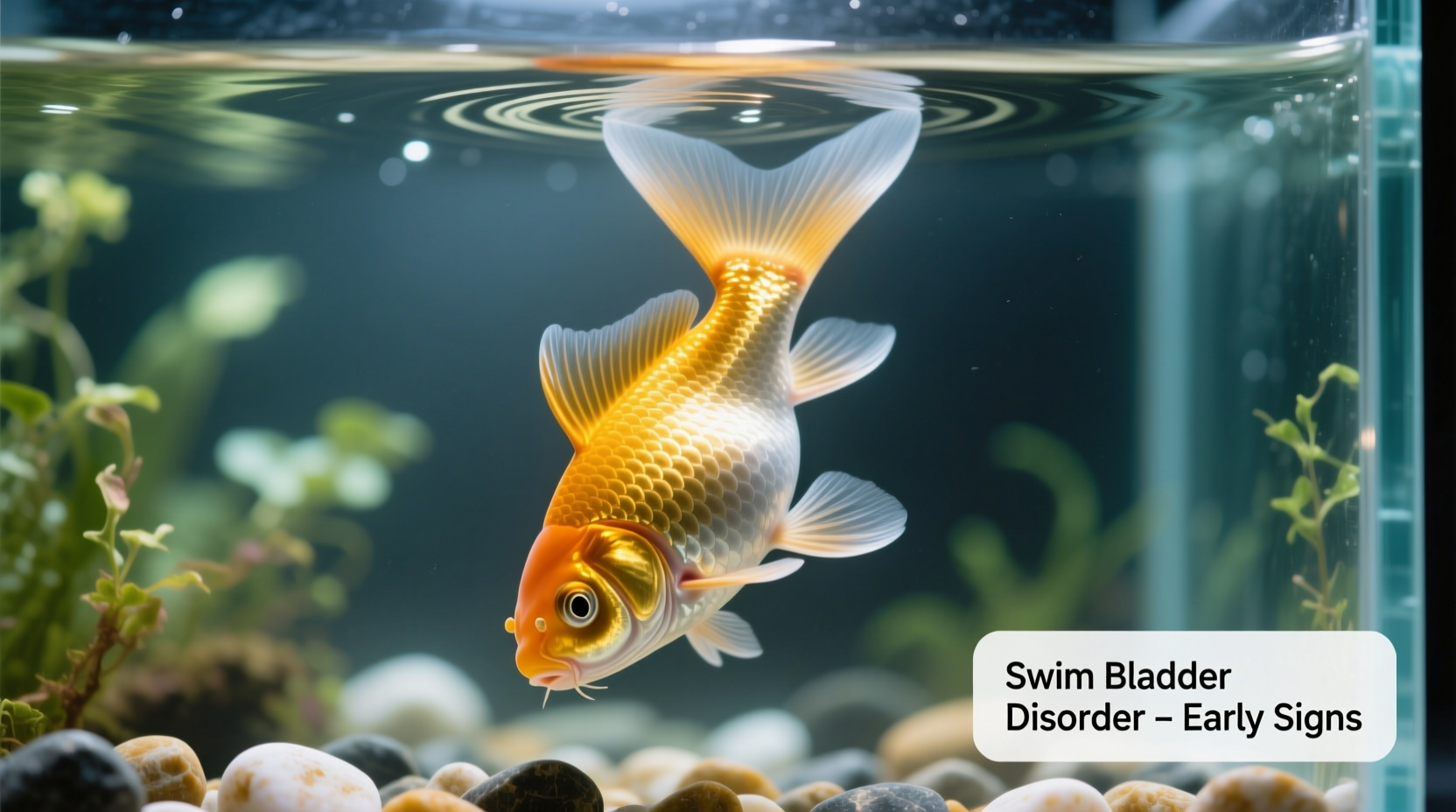
The swim bladder is a gas-filled sac located near the spine of most bony fish, including goldfish. By adjusting the amount of gas inside this organ, fish can regulate their depth without expending excessive energy on swimming. Think of it as a biological version of a scuba diver’s buoyancy compensator. When functioning properly, the swim bladder allows your goldfish to hover effortlessly at any level in the water column.
However, due to their body shape—especially in fancy varieties like Orandas, Lionheads, and Ranchus—goldfish are particularly prone to swim bladder issues. Their compressed digestive tracts and rounded bodies limit space for internal organs, making them more susceptible to compression and dysfunction.
“Swim bladder problems are among the most common ailments we see in pet goldfish, especially in overfed or improperly housed specimens.” — Dr. Laura Chen, Aquatic Veterinarian
Common Causes of Upside-Down Swimming
Swim bladder disorder isn’t a disease in itself but rather a symptom of underlying issues. Identifying the root cause is essential for effective treatment. Here are the primary contributors:
- Poor Diet and Overfeeding: Goldfish lack a true stomach and rely on constant, slow digestion. Overfeeding leads to constipation, which compresses the swim bladder.
- Dry Pellets: Flakes and pellets expand when wet. If consumed dry, they can swell inside the digestive tract, increasing pressure on the swim bladder.
- Sudden Temperature Changes: Rapid shifts in water temperature disrupt metabolism and digestion, contributing to buoyancy issues.
- Bacterial Infections: Internal infections can inflame the swim bladder or surrounding tissues, impairing function.
- Physical Trauma: Rough handling during transport or collisions with tank decorations can damage the swim bladder.
- Genetic Predisposition: Some goldfish are born with structural abnormalities that affect swim bladder development.
Recognizing Early Signs of Swim Bladder Issues
Catching symptoms early improves recovery chances significantly. Watch for these subtle signs before full inversion occurs:
- Tilting to one side while swimming
- Difficulty staying submerged or rising too quickly
- Struggling to reach the bottom or staying stuck at the surface
- Lopsided swimming patterns
- Lethargy or reduced appetite
If your goldfish occasionally flips but corrects itself quickly, it may be a minor issue. But if the behavior persists for more than 24 hours, especially with loss of appetite, action is needed.
Step-by-Step Guide to Immediate Response
When you notice abnormal swimming, follow this timeline to assess and intervene:
- Day 1 – Observation: Confirm the behavior isn't occasional. Note frequency, posture, and eating habits.
- Day 1 – Water Test: Check ammonia, nitrite, and pH levels. Poor water quality stresses fish and worsens health issues.
- Day 1 – Fasting: Stop feeding for 24–48 hours to allow the digestive system to clear.
- Day 2–3 – Introduce Cooked Peas: Feed one shelled, de-skinned cooked pea per day. The fiber helps relieve constipation.
- Day 3–4 – Monitor Improvement: Look for more stable swimming and normal defecation.
- Day 5 – Resume Light Feeding: Offer small portions of easily digestible food like soaked gel or live brine shrimp.
Preventive Care Checklist
Prevention is far more effective than treatment. Use this checklist to reduce the risk of swim bladder problems:
- ✅ Feed high-quality, species-appropriate food (avoid fillers like wheat germ in excess)
- ✅ Soak dry foods before every feeding
- ✅ Limit feeding to twice daily, only what the fish consumes in 2 minutes
- ✅ Include fibrous foods like peas or zucchini weekly
- ✅ Maintain stable water temperature (68–74°F for goldfish)
- ✅ Perform weekly 25% water changes
- ✅ Avoid overcrowding the tank
- ✅ Choose smooth, non-abrasive tank decor to prevent injury
Do’s and Don’ts: Managing Swim Bladder Health
| Do’s | Don’ts |
|---|---|
| Feed soaked pellets or gel-based diets | Feed dry flakes or pellets without soaking |
| Fast your goldfish once a week | Overfeed, especially with high-protein treats |
| Use an air stone to improve oxygenation | Keep fish in unfiltered bowls |
| Quarantine new fish before introducing them | Ignore persistent buoyancy issues |
| Monitor water parameters weekly | Change large volumes of water abruptly |
A Real-Life Example: Bella the Oranda
Sarah, a hobbyist from Portland, noticed her 2-year-old Oranda, Bella, floating vertically with her head down. At first, she assumed Bella was just being playful. But after two days of worsening imbalance and refusal to eat, Sarah tested the water and found elevated ammonia levels (0.5 ppm). She performed a 30% water change, fasted Bella for 48 hours, then fed a quarter of a mashed, skinned pea. Within 36 hours, Bella began swimming normally again. Sarah later realized she had been topping off the tank instead of doing full partial changes, allowing waste to accumulate. Since then, she’s maintained a strict maintenance schedule and hasn’t seen recurrence.
This case highlights how multiple factors—diet, water quality, and observation—interact in swim bladder health. Prompt action saved Bella from potential secondary infections or starvation.
When to Suspect More Serious Conditions
While most cases stem from diet or environment, some require veterinary attention. Consider these red flags:
- No improvement after 5–7 days of fasting and pea therapy
- Visible bloating or lopsided abdomen
- Clamped fins, rapid gilling, or color fading
- Loss of appetite lasting more than 3 days
- White stringy feces (indicative of internal parasites)
In such cases, bacterial infection or organ failure may be involved. A veterinarian specializing in aquatic animals may prescribe antibiotics or recommend diagnostic imaging. Though rare, some goldfish develop permanent swim bladder damage and require long-term accommodations, such as shallow tanks or buoyancy aids.
Tip: If your fish cannot reach food at the surface, try feeding sinking wafers or placing food near the middle level using feeding rings.Frequently Asked Questions
Can swim bladder disorder be fatal?
It can be, if left untreated. Chronic buoyancy issues lead to stress, poor nutrition, and increased susceptibility to infections. While not immediately life-threatening, prolonged dysfunction reduces lifespan and quality of life.
Is swim bladder disorder contagious?
No, the condition itself is not contagious. However, if caused by a bacterial infection, pathogens could spread to other fish in poor water conditions. Always quarantine sick fish if infection is suspected.
Can I cure swim bladder issues without medication?
In most cases, yes. Over 80% of swim bladder problems resolve with dietary correction, fasting, and improved water quality. Medication should only be considered if there’s evidence of infection or no response to conservative care.
Long-Term Management and Tank Setup Tips
For goldfish with recurring or chronic swim bladder issues, modifying their environment can make a big difference:
- Reduce Water Depth: Shallow tanks (under 12 inches) allow easier access to surface and bottom.
- Add Hiding Spots Near the Surface: Floating plants or PVC shelters give resting points for fish that float.
- Use Sponge Filters: Gentle filtration prevents strong currents that challenge unstable swimmers.
- Avoid Sharp Decorations: Floating fish may rub against edges, risking sores and infection.
- Feed Multiple Small Meals: Instead of one large feeding, offer tiny portions 2–3 times a day to aid digestion.
Some owners even use small fabric slings or buoyancy vests designed for fish, though these are advanced interventions and should only be used under expert guidance.
Conclusion: Act Early, Care Consistently
Upside-down swimming in goldfish is a warning sign, not a death sentence. With prompt recognition and simple interventions like fasting and feeding cooked peas, most cases resolve within days. The key lies in consistent husbandry: proper feeding, clean water, and attentive observation. Goldfish are hardy creatures, but their unique anatomy demands thoughtful care. By understanding the causes and solutions for swim bladder issues, you empower yourself to provide a healthier, more comfortable life for your aquatic companion.
💬 Have experience with swim bladder issues in your goldfish? Share your story or tips in the comments—your insight could help another fish keeper act faster and save a life.








