Fish swimming upside down is a troubling sight for any aquarium owner. This abnormal behavior is not typical and often signals underlying health issues or environmental stress. While some species, like certain catfish, may briefly swim inverted as part of natural feeding behavior, sustained upside-down swimming in most fish is a red flag. It typically indicates problems with buoyancy control, internal infections, poor water quality, or dietary imbalances. Recognizing the cause early and taking corrective action can mean the difference between recovery and loss.
This article explores the physiological mechanisms behind fish buoyancy, identifies common causes of upside-down swimming, and provides practical solutions to restore your fish’s health. Whether you're managing a community tank or caring for a single betta, understanding these signs of distress is essential for responsible fishkeeping.
Understanding Fish Buoyancy and the Swim Bladder
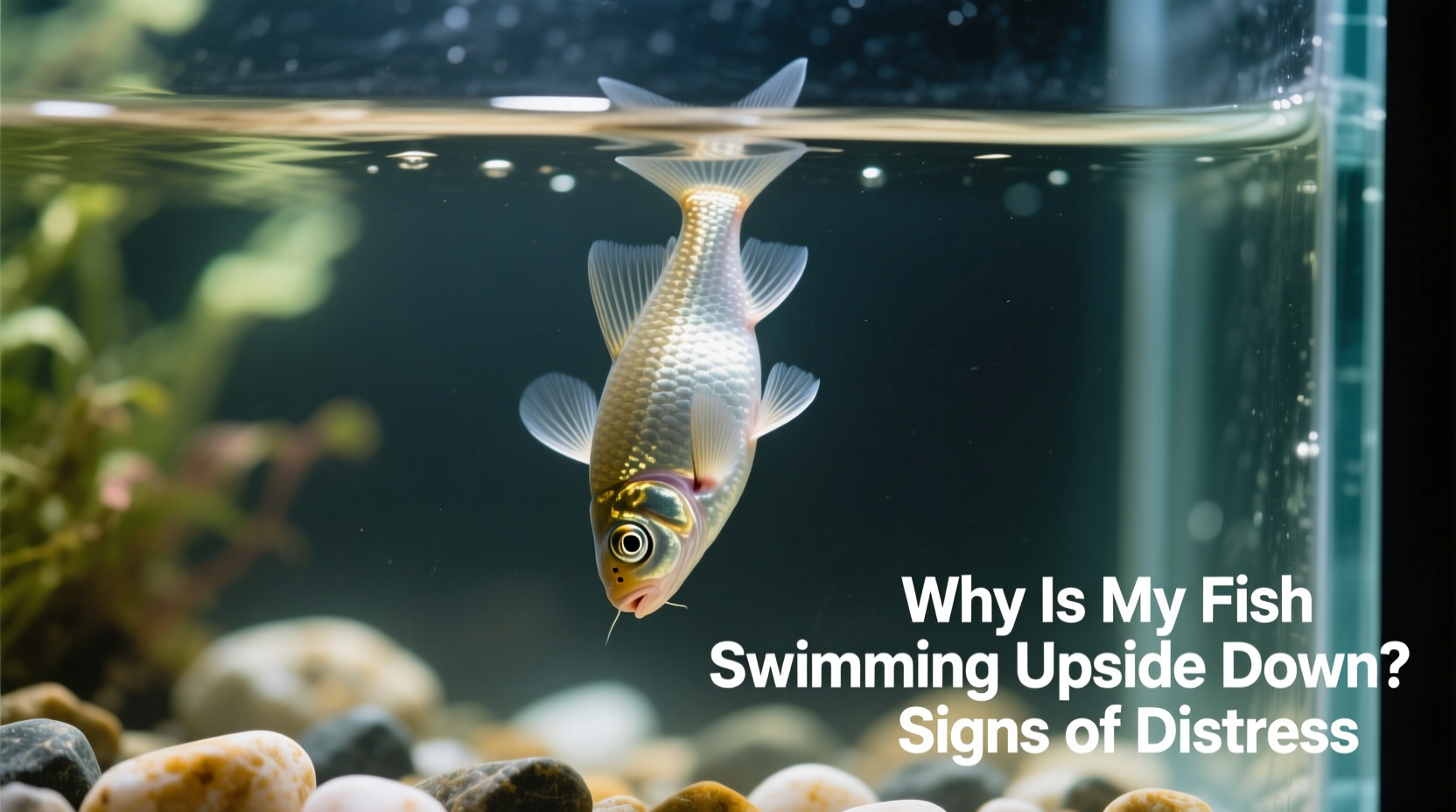
The ability of a fish to maintain its position in the water column depends largely on a specialized organ called the swim bladder. This gas-filled sac helps regulate buoyancy by adjusting internal pressure, allowing fish to rise, sink, or hover effortlessly. When functioning properly, the swim bladder enables smooth, balanced movement through the water.
In many bony fish—such as goldfish, bettas, guppies, and tetras—the swim bladder is connected to the digestive tract via a pneumatic duct, allowing them to gulp air at the surface to fill it. Other species, like most marine fish, have a closed swim bladder regulated through blood circulation.
When the swim bladder becomes compromised due to infection, physical compression, or gas imbalance, the fish loses control over its orientation. This often results in erratic swimming patterns, floating at the surface, sinking to the bottom, or swimming completely upside down.
“Swim bladder dysfunction is one of the most common reasons we see in ornamental fish presenting with balance issues. Early intervention improves outcomes significantly.” — Dr. Lena Torres, Aquatic Veterinarian
Common Causes of Upside-Down Swimming
Upside-down swimming rarely occurs without an underlying trigger. The following are the most frequent causes:
1. Swim Bladder Disease (SBD)
Despite the name, “swim bladder disease” is not a single illness but a symptom of various conditions affecting the swim bladder. It's especially common in round-bodied fish like fancy goldfish and bettas, whose compact body shape puts pressure on internal organs. Causes include:
- Overfeeding leading to constipation and intestinal swelling
- Poor diet lacking fiber
- Bacterial or parasitic infections
- Physical trauma from aggressive tank mates or handling
2. Digestive Issues and Constipation
Fish fed exclusively dry flake or pellet food may develop constipation. These foods expand when wet, and if consumed in excess, they can swell inside the digestive tract, pressing against the swim bladder. Symptoms include bloating, lethargy, and loss of balance.
Tip: Soak dry pellets in tank water for 5–10 minutes before feeding to reduce expansion in the gut.3. Poor Water Quality
Toxins such as ammonia, nitrite, and high nitrate levels stress fish and weaken their immune systems. Chronic exposure can lead to organ damage, including the swim bladder. Cloudy water, algae blooms, and fish gasping at the surface are additional indicators of water imbalance.
4. Infections and Internal Diseases
Bacterial or parasitic infections can inflame the swim bladder or surrounding tissues. Mycobacteriosis, for example, causes chronic wasting and buoyancy issues. Viral infections like koi herpesvirus may also affect neurological function, leading to disorientation.
5. Temperature Fluctuations
Cold water slows digestion in tropical fish, increasing the risk of constipation and gas buildup. Sudden temperature drops can shock the system and impair organ function. Most tropical species thrive between 76°F and 80°F (24°C–27°C).
6. Birth Defects or Physical Deformities
Some fish are born with malformed swim bladders or spinal curvatures that prevent normal swimming. This is more common in selectively bred varieties like balloon mollies or lionhead goldfish.
Step-by-Step Guide to Diagnosing and Treating the Issue
If your fish is swimming upside down, follow this structured approach to identify and resolve the problem:
- Observe Behavior Closely: Note whether the fish swims normally at times, sinks immediately after swimming, floats uncontrollably, or shows other symptoms like clamped fins, rapid breathing, or white spots.
- Check Water Parameters: Use a liquid test kit to measure ammonia, nitrite, nitrate, pH, and temperature. Ammonia and nitrite should be 0 ppm; nitrates below 40 ppm.
- Inspect Diet and Feeding Habits: Are you feeding low-quality flakes daily? Is the fish gulping air at the surface? Overfeeding is a leading cause of buoyancy issues.
- Perform a Partial Water Change: Replace 25–50% of the tank water with conditioned water matching the existing temperature to reduce toxin load.
- Fast the Fish for 2–3 Days: Give the digestive system time to clear any blockages. Fasting is often the first effective step for constipation-related SBD.
- Introduce Cooked Peas: After fasting, feed one shelled, mashed pea per small fish. Peas act as a natural laxative due to their high fiber content.
- Monitor Response: If buoyancy improves within 48 hours, the issue was likely dietary. If not, consider medical treatment.
- Use Antibiotics if Infection is Suspected: If other symptoms like bloating, red streaks, or lethargy persist, treat with broad-spectrum antibiotics like kanamycin or metronidazole under proper dosage guidelines.
Prevention Checklist: How to Avoid Future Episodes
Preventing swim issues is far easier than treating them. Use this checklist to maintain a healthy aquarium environment:
- ✅ Feed a varied diet including vegetables, frozen foods, and high-quality pellets
- ✅ Soak dry foods before feeding
- ✅ Avoid overfeeding—offer only what fish can consume in 2–3 minutes
- ✅ Perform weekly 25% water changes
- ✅ Maintain stable water temperature with a reliable heater
- ✅ Test water parameters monthly (more often in new tanks)
- ✅ Quarantine new fish for at least two weeks before introducing them to the main tank
- ✅ Provide adequate tank size—goldfish need at least 20 gallons for the first fish, plus 10 gallons per additional fish
Do’s and Don’ts Table for Immediate Care
| Do’s | Don’ts |
|---|---|
| Fast the fish for 2–3 days to relieve digestive pressure | Do not continue feeding regular dry food during an episode |
| Feed cooked, de-shelled peas as a natural laxative | Do not feed bread or human snacks—they expand and lack nutrition |
| Perform a 30% water change to improve water quality | Do not dump chemicals or home remedies without testing first |
| Keep the tank quiet and dimly lit to reduce stress | Do not net or handle the fish unnecessarily |
| Use aquarium salt (1 tsp per gallon) for mild bacterial support (if safe for species) | Do not use salt with scaleless fish like loaches or some catfish |
Real Example: A Goldfish Recovery Story
Sarah, a hobbyist in Portland, noticed her fantail goldfish, Bubbles, floating upside down near the surface every morning. At first, she assumed it was sleeping oddly, but after three days of worsening symptoms—including refusal to eat and visible bloating—she took action.
She tested her water and found elevated nitrate levels (75 ppm) due to infrequent water changes. She performed a 40% water change, fasted Bubbles for two days, and then fed a small portion of mashed pea. Within 24 hours, Bubbles began swimming upright again. Sarah switched to a rotating diet of soaked pellets, brine shrimp, and occasional peas, and committed to weekly maintenance. Six months later, Bubbles remains active and balanced.
This case highlights how combining water quality management with dietary adjustments can resolve even severe buoyancy issues without medication.
Frequently Asked Questions
Can swim bladder disease be fatal?
Yes, if left untreated, chronic swim bladder issues can lead to starvation, secondary infections, or suffocation if the fish cannot reach lower oxygen zones. However, most cases caused by diet or temporary stress are reversible with prompt care.
Is upside-down swimming always related to the swim bladder?
Not always. Neurological damage, inner ear infections, or severe parasitic infestations can also impair balance. If water quality and diet are optimal but symptoms persist, a bacterial or protozoan infection may be the culprit.
Can I euthanize my fish humanely if it doesn’t improve?
If a fish shows no improvement after several weeks of treatment and appears to be in distress, humane euthanasia may be the kindest option. The most accepted method is using a veterinary-approved solution like MS-222 (tricaine methanesulfonate). Never use freezing or flushing, as these cause prolonged suffering.
Conclusion: Act Early, Care Consistently
Fish swimming upside down is a visible sign of distress that demands attention. While it can stem from something as simple as overeating, it may also indicate deeper health or environmental problems. The key to successful intervention lies in timely observation, accurate diagnosis, and consistent care.
By maintaining clean water, offering a balanced diet, and responding quickly to behavioral changes, you can prevent many common ailments before they escalate. Remember, fish cannot vocalize pain—they communicate through behavior. An upside-down swimmer is sending a message. Listen closely, respond wisely, and give your aquatic companions the best chance at a full recovery.
💬 Have you helped a fish recover from swimming upside down? Share your experience in the comments to support fellow aquarists and build a stronger community of informed fishkeepers.








