Fish swimming at the surface of the aquarium is a common sight, but when it becomes persistent or frantic, it signals an underlying issue. While some species naturally spend time near the top—like bettas or gouramis—most fish doing so are struggling with low oxygen levels, poor water quality, or stress. Understanding the root cause is essential for maintaining a healthy aquatic environment. This article breaks down the science behind surface swimming, explains how oxygen and stress interact in your tank, and provides actionable steps to restore balance.
Oxygen Levels and Fish Behavior
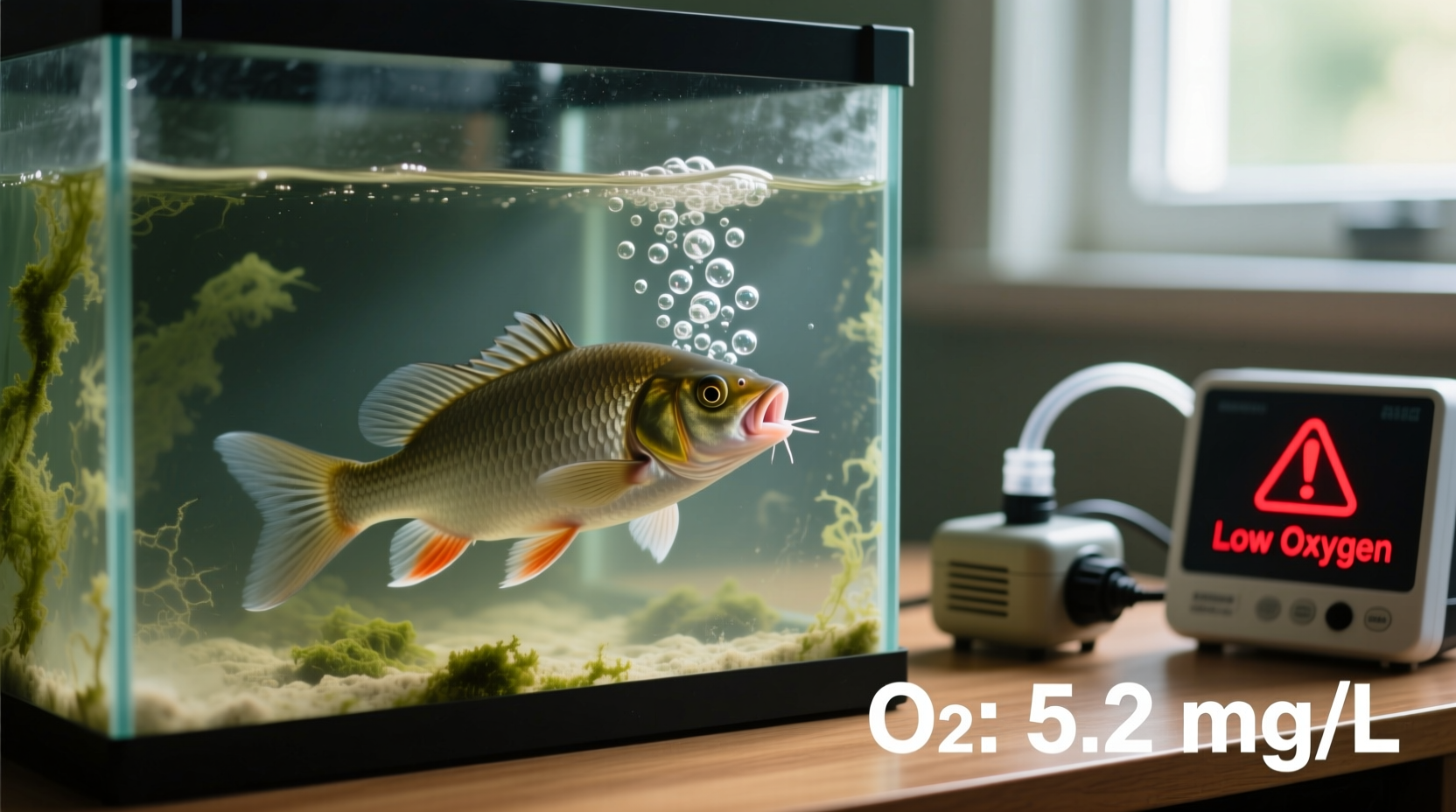
Fish rely on dissolved oxygen (DO) in water to breathe through their gills. When oxygen levels drop below 5–6 mg/L, many species begin gasping at the surface—a behavior known as \"surface skimming.\" The upper layer of water typically holds more oxygen because it's in direct contact with air, allowing for gas exchange. In poorly aerated tanks, this becomes the only viable breathing zone.
Low oxygen often stems from overstocking, inadequate filtration, high water temperatures, or decaying organic matter. Warm water holds less oxygen than cool water, so tanks above 80°F (27°C) are especially vulnerable. Additionally, decomposing food and waste consume oxygen during bacterial breakdown, further reducing availability.
Tip: If you notice rapid gill movement or clustering near filter output, test oxygen levels immediately.How Temperature Affects Oxygen Solubility
The relationship between temperature and dissolved oxygen is inverse. As water warms, its capacity to hold oxygen decreases. For example:
| Water Temperature (°F) | Dissolved Oxygen Capacity (mg/L) |
|---|---|
| 60°F (15.5°C) | ~9.1 mg/L |
| 70°F (21°C) | ~8.3 mg/L |
| 80°F (26.5°C) | ~7.1 mg/L |
| 90°F (32°C) | ~6.2 mg/L |
In warmer environments, even well-maintained tanks may hover near critical thresholds. Monitoring both temperature and oxygen helps prevent respiratory distress.
Stress Triggers in Aquariums
Stress in fish manifests through behavioral changes, including erratic swimming, loss of color, reduced appetite, and yes—spending excessive time at the surface. Chronic stress weakens immune systems, making fish prone to diseases like ich or fin rot. Common stressors include:
- Sudden changes in water chemistry (pH, ammonia, nitrite)
- Aggressive tank mates
- Poor hiding spots or lack of environmental enrichment
- Excessive noise or vibrations near the tank
- Bright lighting without shaded areas
When stressed, fish may hyperventilate, increasing their oxygen demand. This creates a dangerous cycle: lower oxygen causes stress, and stress increases oxygen needs. Breaking this loop requires addressing both environmental stability and physiological comfort.
“Fish are highly sensitive to fluctuations. Even minor pH swings can trigger surface breathing due to gill irritation.” — Dr. Lena Torres, Aquatic Veterinarian
The Role of Ammonia and Nitrite
Ammonia (NH₃) and nitrite (NO₂⁻) are toxic byproducts of fish waste and uneaten food. Both interfere with oxygen transport in fish blood. Ammonia damages gill tissue directly, reducing efficiency in oxygen uptake. Nitrite binds to hemoglobin, forming methemoglobin, which cannot carry oxygen—a condition known as “brown blood disease.”
Even low levels (0.25 ppm ammonia or nitrite) can cause long-term harm. Regular testing with liquid test kits—not just strips—is crucial for early detection.
Diagnosing the Cause: A Step-by-Step Guide
When fish consistently swim at the top, follow this diagnostic timeline to identify and resolve the issue:
- Observe behavior: Note whether fish are calmly hovering or rapidly gasping. Gasping suggests acute oxygen deprivation.
- Test water parameters: Check ammonia, nitrite, nitrate, pH, and temperature. Use a reliable liquid test kit for accuracy.
- Measure oxygen levels: If possible, use a dissolved oxygen meter. Alternatively, look for signs like stagnant water or lack of surface agitation.
- Inspect equipment: Ensure filters are running properly and air stones or powerheads are creating surface movement.
- Review stocking density: Calculate total fish volume relative to tank size. A general rule: 1 inch of adult fish per gallon for small community species.
- Check for disease: Look for clamped fins, white spots, or labored breathing unrelated to oxygen.
- Act accordingly: Based on findings, initiate water changes, adjust aeration, or quarantine sick fish.
Improving Oxygenation and Reducing Stress
Restoring healthy conditions involves both immediate action and long-term adjustments. Consider these strategies:
Add Surface Agitation
Oxygen enters water primarily through diffusion at the surface. Increasing surface movement enhances gas exchange. Options include:
- Air stones with sponge filters
- Powerheads or wavemakers angled upward
- HOB (hang-on-back) filters that spill water back into the tank
- Adjusting filter output to break the surface
A gentle ripple across the surface is ideal; violent waves can stress fish.
Optimize Tank Layout
Crowded decorations limit water flow and create dead zones where oxygen drops. Rearranging hardscape to allow circulation improves overall tank health. Include live plants like hornwort or anacharis, which produce oxygen during daylight photosynthesis.
Control Temperature
If your room is warm, consider a chiller for tropical tanks running hot. Alternatively, position fans to blow across the water surface—this cools the tank slightly and boosts evaporation-driven oxygen exchange.
Reduce Biological Load
Overstocking is a leading cause of chronic low oxygen. Rehome excess fish or upgrade to a larger tank. Also, avoid overfeeding—excess food leads to more waste and higher oxygen consumption by bacteria.
“Many hobbyists don’t realize that a clean-looking tank can still be biologically overloaded. Test regularly, not just reactively.” — Mark Rivera, Certified Aquarium Specialist
Real Example: Rescuing a Community Tank in Crisis
A hobbyist in Austin noticed her tetras and danios spending most of their time at the surface, especially in the evenings. Despite weekly water changes, the problem worsened. She tested her water and found 0.5 ppm nitrite and rising ammonia. Her 20-gallon tank housed 18 small fish, two snails, and a heavily planted layout—but no air pump.
After consulting a local aquarium expert, she took the following steps:
- Performed a 50% water change using conditioned water.
- Added an air stone connected to a quiet diaphragm pump.
- Reduced feeding to every other day and removed leftover food after 5 minutes.
- Removed two fast-breeding snails and rehomed three danios.
- Installed a floating thermometer and began monitoring daily.
Within 72 hours, surface swimming decreased significantly. After one week, all fish resumed normal mid-water activity. Monthly testing became part of her routine, preventing recurrence.
Do’s and Don’ts: Quick Reference Table
| Action | Do | Don't |
|---|---|---|
| Aeration | Use air stones, powerheads, or HOB filters | Rely solely on still water or internal filters without surface disruption |
| Feeding | Feed small amounts once or twice daily; remove uneaten food | Overfeed to “keep fish full” |
| Testing | Test ammonia, nitrite, pH, and temperature weekly | Assume clear water means safe water |
| Tank Size | Choose appropriate tank size for adult fish | Keep growing species in undersized tanks “for now” |
| Emergency Response | Do large water changes and increase aeration if gasping occurs | Wait and see if it gets better on its own |
FAQ
Is it normal for some fish to stay at the top?
Yes—some species, such as bettas, gouramis, and paradise fish, have labyrinth organs that allow them to breathe atmospheric air. Occasional trips to the surface are natural. However, constant gasping or distress indicates a problem even in these species.
Can live plants help with oxygen levels?
Yes, but only during daylight. Plants produce oxygen via photosynthesis when exposed to light. At night, they consume oxygen and release CO₂. Relying solely on plants for aeration is risky—always supplement with mechanical aeration.
How often should I check oxygen levels?
For most home aquariums, regular testing of ammonia, nitrite, and temperature is sufficient. Direct oxygen measurement is recommended only in densely stocked tanks, outdoor ponds, or systems with recurring gasping issues. Signs like lethargy or surface clustering should prompt immediate investigation.
Preventive Checklist for Healthy Water Conditions
- ✅ Test water weekly for ammonia, nitrite, nitrate, and pH
- ✅ Maintain proper filtration and clean filter media monthly (rinse in tank water, not tap)
- ✅ Provide surface agitation through air stones, powerheads, or filter output
- ✅ Avoid overstocking—follow inch-per-gallon guidelines with buffer for waste producers
- ✅ Feed appropriately: only what fish consume in 2–3 minutes
- ✅ Perform 20–30% water changes every 1–2 weeks
- ✅ Keep a journal of water parameters and fish behavior
- ✅ Quarantine new fish before introducing to main tank
Conclusion
Fish swimming at the top of the tank is rarely harmless. Whether driven by low oxygen, elevated toxins, or psychological stress, the behavior demands attention. By understanding the interplay between water chemistry, aeration, and animal welfare, aquarists can create thriving ecosystems where fish exhibit natural, balanced behaviors. Prevention beats crisis management—consistent maintenance, mindful stocking, and proactive monitoring form the foundation of success.
💬 Have you dealt with fish gasping at the surface? Share your experience or questions below—your insight could help another hobbyist avoid the same mistake.








