
Fish behavior offers vital clues about their health and environment. One common concern among aquarium owners is seeing their fish consistently swimming at the surface. While occasional surface activity can be normal—especially in species like bettas or gouramis—persistent top-dwelling often signals underlying problems. More importantly, this behavior can indicate stress, poor water quality, or even life-threatening conditions. Understanding why your fish lingers near the top isn’t just about curiosity; it’s essential for maintaining a thriving aquatic ecosystem.
This article explores the science behind surface swimming, identifies key stress indicators, and provides actionable steps to diagnose and resolve the issue. Whether you're a beginner with a single goldfish or managing a complex community tank, recognizing these signs early can prevent disease outbreaks and save lives.
Understanding Fish Respiration and Oxygen Needs
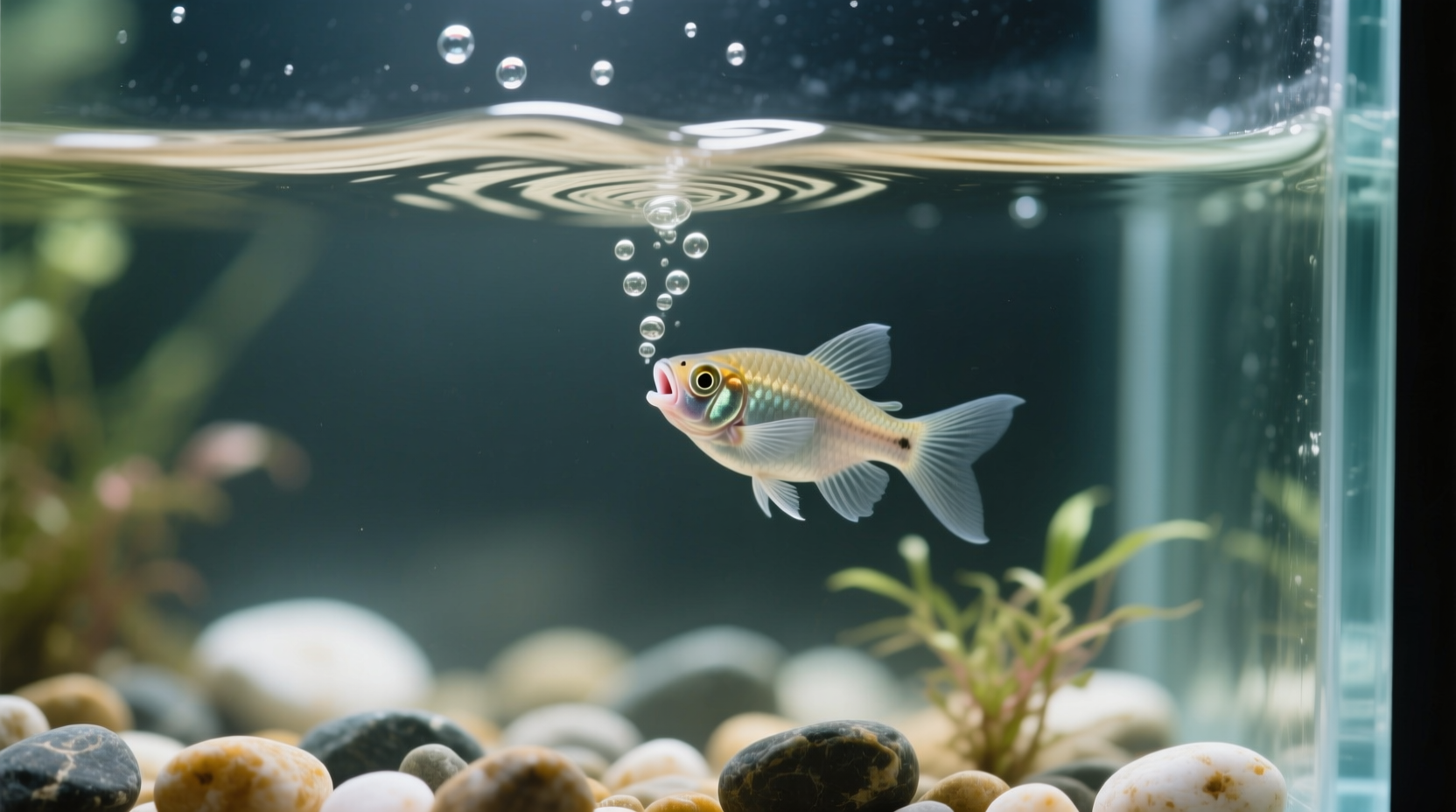
Fish extract oxygen from water through their gills, relying on dissolved oxygen (DO) levels to survive. Unlike mammals, they cannot breathe atmospheric air unless they possess specialized organs, such as labyrinth fish (e.g., bettas and paradise fish), which can gulp air directly. For most species, however, low oxygen in the water forces them to stay near the surface where gas exchange occurs more readily.
Oxygen enters aquarium water primarily through surface agitation and plant photosynthesis. When water circulation is poor or overstocking occurs, oxygen levels drop, especially during warmer temperatures when warm water holds less oxygen than cold. In such cases, fish instinctively move upward, attempting to access richer oxygen zones.
Tip: Increase surface movement using an air stone or adjust filter output to break the water surface—this enhances oxygen exchange.A telltale sign of oxygen deprivation is rapid gill movement combined with frequent mouth opening at the surface. If multiple fish exhibit this behavior simultaneously, oxygen deficiency is likely the culprit rather than individual illness.
Common Causes of Surface Swimming
Surface swimming isn't always abnormal, but sustained presence at the top should prompt investigation. Below are the most frequent reasons fish remain near the surface:
- Low dissolved oxygen: Overcrowding, high temperature, or inadequate aeration reduces available oxygen.
- Poor water quality: Elevated ammonia, nitrite, or pH swings stress fish and impair gill function.
- Disease or parasites: Gill infections or internal issues may hinder breathing efficiency.
- Incorrect tank setup: Lack of filtration, stagnant water, or improper heater placement contributes to stratification.
- Natural behavior: Labyrinth fish like bettas naturally come up for air and may hover near the top.
It’s crucial to differentiate between species-specific habits and distress signals. A betta resting at the surface after gulping air is normal; a tetra gasping continuously is not.
Water Quality: The Hidden Stressor
Poor water chemistry remains the leading cause of stress-related behaviors in aquariums. Ammonia spikes—from overfeeding, decaying waste, or new tank syndrome—burn gill tissues, making respiration painful and inefficient. Nitrite toxicity binds to hemoglobin, reducing oxygen transport in the blood, effectively suffocating fish even in well-oxygenated tanks.
Regular testing is non-negotiable. Use liquid test kits (more accurate than strips) to monitor:
- Ammonia (ideal: 0 ppm)
- Nitrite (ideal: 0 ppm)
- Nitrate (safe below 40 ppm)
- pH (species-dependent, typically 6.5–7.8)
- Temperature (varies by species, usually 72–80°F)
“Over 70% of fish health issues I see in home aquariums trace back to undetected water imbalances.” — Dr. Lena Torres, Aquatic Veterinarian
If tests reveal toxins, perform immediate partial water changes (25–50%) and consider adding beneficial bacteria supplements to accelerate biological filtration.
Stress Indicators Beyond Surface Swimming
Stress in fish manifests subtly before full-blown illness appears. Recognizing early signs allows intervention before conditions worsen. Key indicators include:
| Behavior | Possible Cause |
|---|---|
| Clamped fins | Environmental stress or disease onset |
| Loss of appetite | Poor water quality or social conflict |
| Rapid gill movement | Oxygen deficit or gill damage |
| Erratic swimming (darting, crashing) | Parasites, chlorine exposure, or pH shock |
| Color fading | Chronic stress or nutritional deficiency |
When surface swimming coincides with any of these symptoms, stress is highly probable. Chronic stress suppresses immune function, increasing susceptibility to ich, fin rot, and bacterial infections.
Tip: Minimize sudden changes in lighting, noise, or tank decor—these disrupt fish routines and elevate cortisol levels.Step-by-Step Guide to Diagnose and Fix the Problem
If your fish won’t leave the surface, follow this systematic approach to identify and correct the issue:
- Observe all fish: Determine if one or multiple fish are affected. Widespread behavior suggests environmental causes.
- Test water parameters: Check ammonia, nitrite, nitrate, pH, and temperature. Record results for tracking.
- Inspect equipment: Ensure filter is running properly, air pump is functioning, and heater is maintaining stable temps.
- Check stocking levels: Verify tank isn’t overcrowded. General rule: 1 inch of adult fish per gallon for small species.
- Perform water change: Replace 25–50% of water with dechlorinated, temperature-matched water.
- Enhance aeration: Add an air stone, increase filter outflow, or install a sponge filter to boost oxygenation.
- Reduce feeding temporarily: Excess food decomposes into ammonia. Feed once daily, only what fish consume in 2 minutes.
- Monitor for 24–48 hours: Reassess behavior after interventions. Improvement indicates successful correction.
If no improvement occurs, consider hidden issues like medication residue, metal contamination (from pipes or decorations), or undiagnosed disease.
Mini Case Study: The Overstocked Community Tank
Mark, a hobbyist with a 20-gallon freshwater tank, noticed his neon tetras and zebra danios spending increasing time at the surface. Initially, he assumed they were adjusting to a new filter. But within days, two fish died suddenly.
He tested the water and found alarming results: ammonia at 1.0 ppm and nitrite at 0.5 ppm. Despite weekly 10% water changes, the tank was overstocked with 28 small fish—nearly double the recommended capacity. Decomposing food and waste overwhelmed the biological filter.
After a 50% water change, installing an additional sponge filter, and rehoming several fish, oxygen levels improved and surface swimming ceased within 36 hours. Mark now performs bi-weekly 25% water changes and monitors stocking carefully.
This case underscores how easily balance tips in closed systems and why proactive maintenance beats reactive treatment.
Do’s and Don’ts: Quick Reference Table
| Do’s | Don’ts |
|---|---|
| Test water weekly | Ignore minor behavioral changes |
| Use an air stone in warm tanks | Overfeed or leave uneaten food |
| Quarantine new fish for 2 weeks | Add too many fish at once |
| Clean filter media in old tank water (not tap) | Replace all filter media at once |
| Provide hiding spots to reduce stress | Place tank in high-traffic or noisy areas |
Following best practices prevents crises before they arise. Prevention is always more effective—and humane—than emergency care.
Frequently Asked Questions
Is it normal for some fish to stay at the top?
Yes, certain species like bettas, gouramis, and hatchetfish naturally inhabit upper water layers and may gulp air. However, constant gasping or labored breathing—even in these species—indicates a problem.
Can stress kill fish even if water seems fine?
Absolutely. Chronic stress from poor tank mates, lack of cover, or inconsistent lighting weakens the immune system. Fish may appear healthy but succumb quickly to opportunistic infections. Always assess both physical and psychological well-being.
How long does it take for fish to recover after fixing water issues?
Most fish show improvement within 24–72 hours after correcting oxygen levels and removing toxins. Full recovery depends on severity and duration of exposure. Continue monitoring closely for at least a week.
Final Checklist: Is Your Tank Supporting Healthy Behavior?
- ✅ Water tested within last 7 days with safe readings
- ✅ Filter operating efficiently with no clogs
- ✅ Surface agitation present (ripples or bubbles)
- ✅ No visible debris or cloudy water
- ✅ Fish eating normally and displaying natural coloration
- ✅ Tank not overcrowded based on adult size
- ✅ Temperature stable and appropriate for species
- ✅ Hiding places (plants, rocks, caves) available
Run through this checklist monthly—or immediately if unusual behavior arises—to maintain optimal conditions.
Conclusion: Act Now to Protect Your Aquarium’s Health
Your fish swimming at the top of the tank is more than a quirk—it’s a potential distress signal demanding attention. By understanding the interplay between oxygen, water quality, and species-specific needs, you gain the power to create a resilient, balanced environment. Stress doesn’t happen overnight, nor does recovery. Consistent observation, routine maintenance, and informed decisions form the foundation of responsible fishkeeping.
💬 Have you noticed your fish acting strangely? Share your experience or questions below. Your story could help another aquarist spot trouble early and make a difference.








