Fish behavior is often a reliable indicator of aquarium health. When you notice your fish consistently swimming at the surface, especially with rapid gill movements or gasping motions, it's not just unusual—it's a warning sign. While some species naturally spend time near the top, persistent surface activity in most fish suggests underlying problems, primarily related to dissolved oxygen levels and water quality. Ignoring this behavior can lead to stress, disease, and even death. Understanding the root causes and responding quickly is essential for maintaining a thriving aquatic environment.
Oxygen Deprivation: The Primary Culprit
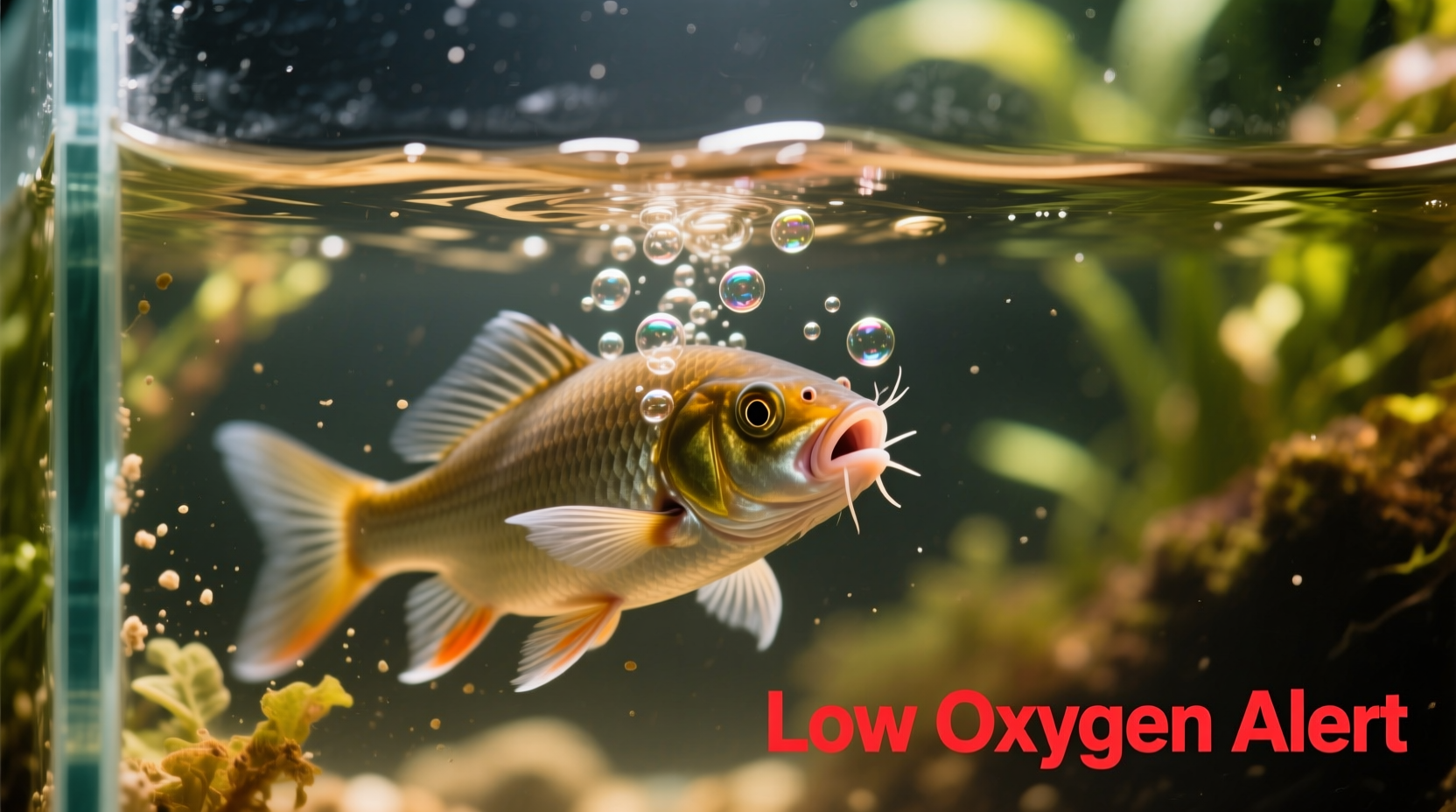
Fish require adequate dissolved oxygen (DO) to survive. In natural ecosystems, oxygen enters water through surface agitation, plant photosynthesis, and diffusion. In an aquarium, these processes are limited and must be managed carefully. When oxygen levels drop below 5 mg/L, many common freshwater fish begin to struggle. At levels below 3 mg/L, distress becomes severe, prompting fish to swim to the surface where oxygen concentration is slightly higher due to air-water contact.
Low oxygen often results from poor water circulation, overstocking, high temperatures, or excessive organic waste. Warm water holds less oxygen than cool water—every 10°C (18°F) increase reduces oxygen solubility by about 20%. Overcrowded tanks amplify oxygen demand while simultaneously increasing waste production, which consumes oxygen during decomposition.
Tip: If multiple fish are gasping at the surface, perform a partial water change immediately and increase aeration.Water Quality Issues That Force Fish Upward
Beyond oxygen, several water parameters influence fish respiration and behavior. Poor water quality disrupts gill function, making it harder for fish to extract oxygen even when it’s present. Key contributors include:
- Ammonia spikes: Toxic ammonia damages gill tissues, reducing oxygen uptake efficiency.
- Nitrite accumulation: Nitrites bind to hemoglobin, forming methemoglobin, which cannot carry oxygen—a condition known as \"brown blood disease.\"
- High CO₂ levels: Excess carbon dioxide lowers pH and interferes with oxygen exchange in the blood.
- Poor circulation: Stagnant zones in the tank develop low-oxygen pockets, pushing fish toward the surface.
A well-cycled aquarium should maintain ammonia and nitrite at 0 ppm, with nitrates under 40 ppm. Regular testing with a liquid test kit—not strips—is critical for accurate monitoring.
Real Example: A Beginner’s Goldfish Tank
Consider a 20-gallon tank housing two goldfish without a filter. The owner feeds daily but changes only 10% of the water monthly. Within six weeks, both fish begin lingering at the surface, mouth gaping. Testing reveals ammonia at 1.2 ppm and nitrite at 2.0 ppm. Despite decent surface movement from a small airstone, the biological load overwhelms the system. After installing a proper filter, performing a 50% water change, and reducing feeding, the fish return to normal behavior within 48 hours. This case illustrates how nitrogen cycle failure directly impacts respiration and drives surface swimming.
“Fish gasping at the surface is one of the clearest signs of environmental distress. It’s rarely a behavioral quirk—it’s a cry for help.” — Dr. Laura Simmons, Aquatic Veterinarian and Consultant
Common Causes of Low Oxygen and Poor Water Conditions
The following table outlines frequent causes of surface swimming, their mechanisms, and corrective actions:
| Cause | How It Affects Fish | Solution |
|---|---|---|
| Overstocking | Increased oxygen demand and waste production | Reduce fish count or upgrade tank size; enhance filtration |
| Inadequate aeration | Limited oxygen diffusion at surface | Add air stone, sponge filter, or powerhead |
| High water temperature | Reduces oxygen solubility | Use aquarium chiller or fan; avoid direct sunlight |
| Decaying organic matter | Bacteria consume oxygen during decomposition | Vacuum substrate weekly; remove dead plants/fish promptly |
| Algae blooms | Produce oxygen by day but consume it at night | Limit light exposure; introduce algae eaters; use UV sterilizer |
| Poor surface agitation | Reduces gas exchange efficiency | Adjust filter outlet to break surface tension |
Step-by-Step Response Plan for Surface Swimming Fish
If you observe fish spending excessive time at the surface, follow this immediate action plan:
- Observe and confirm: Watch for open-mouth breathing, rapid gill movement, or clustering near filters/airstones. Note if all fish or only specific individuals are affected.
- Test water parameters: Use a reliable liquid test kit to check ammonia, nitrite, nitrate, pH, and temperature. Pay special attention to ammonia and nitrite.
- Perform emergency water change: Replace 30–50% of the water with dechlorinated, temperature-matched water. This dilutes toxins and improves oxygen levels.
- Boost aeration: Add an air stone, increase flow from the filter, or place a spray bar at the surface to enhance gas exchange.
- Turn off lights and reduce stress: Dim lighting helps calm stressed fish and limits further oxygen consumption by algae.
- Stop feeding temporarily: Suspend feeding for 24 hours to reduce metabolic waste and oxygen demand.
- Inspect equipment: Ensure the filter is functioning properly and clean clogged intake tubes. Check heater settings to prevent overheating.
- Monitor recovery: Re-test water after 12–24 hours. If symptoms persist, consider consulting an aquatic veterinarian or experienced aquarist.
Distinguishing Normal vs. Abnormal Surface Behavior
Not all surface swimming indicates a problem. Some species exhibit natural behaviors that involve the upper water column:
- Bettas and gouramis: Possess labyrinth organs allowing them to breathe atmospheric air. Occasional surface visits are normal.
- Tetras and danios: May dart to the surface during feeding or play, but return quickly to mid-levels.
- Surface-feeding fish: Species like hatchetfish are adapted to live near the top and skim insects.
The key differentiator is frequency and accompanying symptoms. Normal behavior is intermittent and relaxed. Abnormal behavior includes constant hovering, labored breathing, clamped fins, or loss of balance. When in doubt, test water parameters before assuming it’s harmless.
Checklist: Preventing Surface Swimming Due to Poor Water Quality
Use this checklist weekly to maintain optimal tank conditions:
- ✅ Test ammonia, nitrite, and pH levels
- ✅ Check filter flow and clean if necessary
- ✅ Inspect air pump and airstone for bubbles
- ✅ Vacuum substrate to remove detritus
- ✅ Remove uneaten food within 2 hours of feeding
- ✅ Ensure surface is agitated by filter output
- ✅ Monitor water temperature (ideal: 22–26°C / 72–79°F for tropical fish)
- ✅ Perform 20–30% water change weekly
FAQ: Common Questions About Fish Swimming at the Surface
Why do my fish swim at the surface after a water change?
Sudden changes in temperature, pH, or chlorine content can shock fish, causing temporary stress and erratic behavior. Always match new water to tank conditions and use a dechlorinator. Brief surface activity post-change is normal if parameters are stable.
Can too much aeration cause problems?
While rare, excessive turbulence can stress shy or slow-moving fish. Signs include difficulty swimming or hiding constantly. Adjust airflow or reposition equipment to create calmer zones. However, over-aeration is far less dangerous than under-aeration.
Do live plants help with oxygen levels?
Yes, healthy plants produce oxygen during daylight through photosynthesis. However, at night they consume oxygen, so heavily planted tanks still need surface agitation. Balance plant mass with fish load and ensure proper lighting cycles (8–10 hours/day).
Conclusion: Act Now, Protect Your Aquarium
Fish swimming at the surface is more than a curiosity—it’s a potential emergency signal. Oxygen deficiency and deteriorating water quality are silent threats that escalate quickly. By understanding the science behind respiration, recognizing early warning signs, and taking prompt corrective steps, you can prevent minor issues from becoming fatal disasters. Routine maintenance, vigilant observation, and a commitment to balanced tank ecology are the foundations of a healthy aquarium. Don’t wait for fish to show distress. Proactive care today ensures vibrant, active fish tomorrow.
💬 Have you dealt with fish gasping at the surface? Share your experience or questions in the comments—your insight could help another aquarist in crisis.








