If you’ve noticed your fish hovering near the water’s surface, mouth opening and closing rapidly, or appearing to “gasp” for air, it’s a clear warning sign that something is wrong. While occasional surface activity can be normal—especially in species like bettas or gouramis that are adapted to breathe atmospheric air—persistent gasping across multiple fish indicates a serious issue: likely oxygen deficiency. Low dissolved oxygen (DO) levels can lead to stress, disease, and even mass die-offs if not addressed promptly. Understanding the causes, recognizing early symptoms, and taking corrective action are essential for maintaining a healthy aquatic environment.
Understanding Dissolved Oxygen in Aquariums
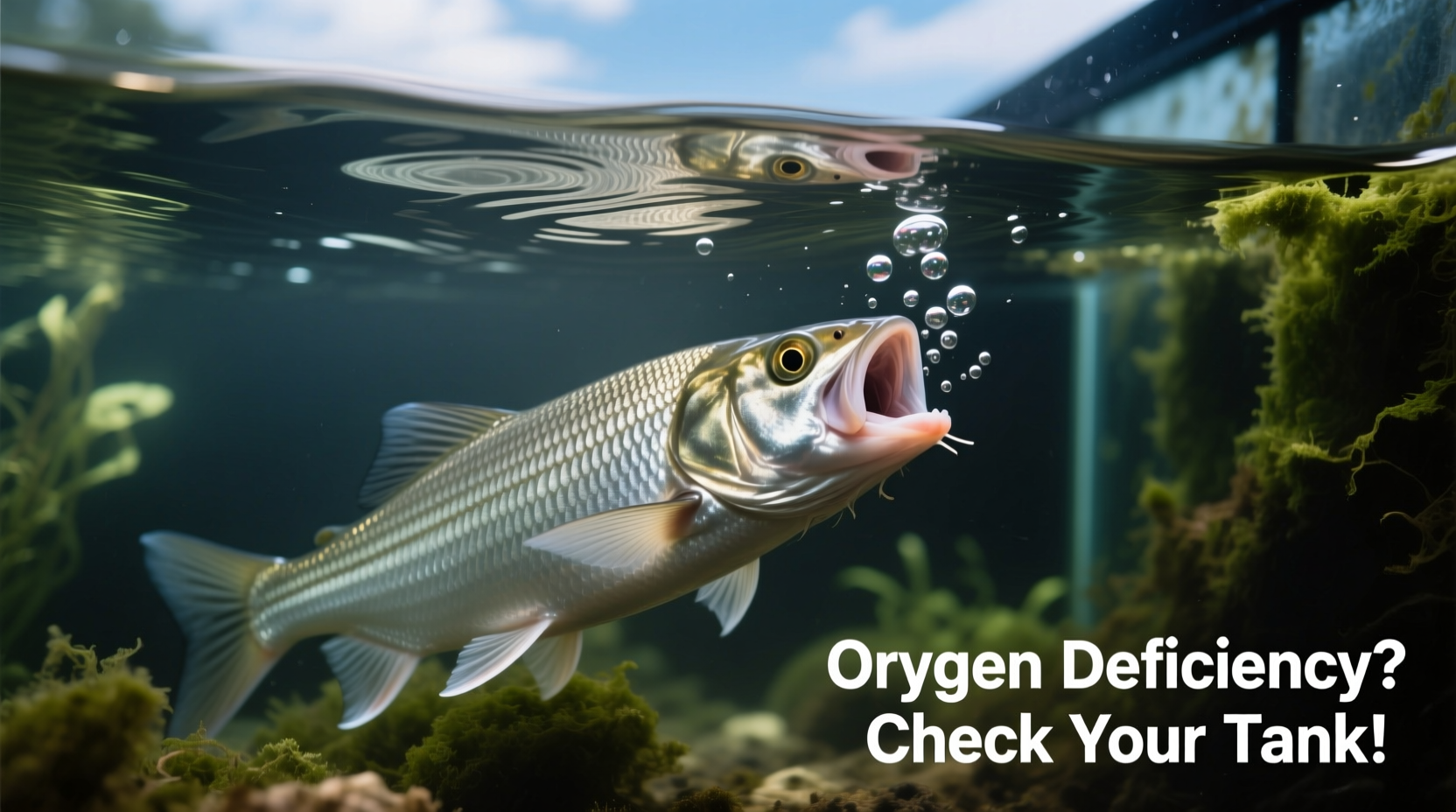
Fish rely on dissolved oxygen in the water to breathe through their gills. Unlike terrestrial animals, they cannot extract oxygen directly from the air unless they possess specialized organs (like labyrinth fish). The amount of oxygen available depends on several factors including water temperature, movement, biological load, and plant life. Cold water holds more oxygen than warm water; stagnant water holds less than agitated water. When oxygen levels drop below 5 mg/L, most freshwater fish begin to experience stress. Below 3 mg/L, survival becomes difficult.
Oxygen enters the aquarium primarily through surface agitation and photosynthesis by live plants during daylight hours. However, at night, plants consume oxygen instead of producing it, which can cause DO levels to dip dangerously low in heavily planted tanks without adequate aeration.
“Oxygen deficiency is one of the most common yet preventable causes of fish distress. Monitoring behavior and tank conditions closely can save lives.” — Dr. Lena Patel, Aquatic Veterinarian
Common Signs Your Fish Are Suffering from Oxygen Deficiency
Gasping at the surface is the most visible symptom, but it's not the only one. Observing subtle changes in behavior can help you catch the problem early:
- Rapid gill movement: Even when not at the surface, fast or labored breathing indicates effort to extract sufficient oxygen.
- Lethargy or loss of appetite: Fish may become inactive, hover motionless, or ignore food as their metabolism slows under stress.
- Crowding near filters or waterfalls: Fish instinctively seek areas with higher water flow where oxygen exchange is greater.
- Erratic swimming: In severe cases, lack of oxygen affects brain function, leading to disoriented movements.
- Pale gills: Healthy gills are pink to red; pale or grayish gills suggest poor oxygen uptake or underlying health issues.
Primary Causes of Low Oxygen Levels
Several interrelated factors can contribute to oxygen deficiency in both freshwater and saltwater aquariums. Identifying the root cause is crucial for effective correction.
1. Overstocking the Tank
Too many fish increase oxygen demand while also raising waste production, which consumes oxygen during decomposition. A general rule is 1 inch of adult fish per gallon for small species, though larger or more active fish require significantly more space.
2. High Water Temperature
Warm water holds less dissolved oxygen. Tropical tanks maintained at 80°F (27°C) or higher are especially vulnerable. During summer months or equipment malfunctions, overheating can rapidly deplete oxygen.
3. Poor Water Circulation
Without proper water movement, oxygen exchange at the surface is limited. Dead zones form in corners or behind decorations where water stagnates and oxygen drops.
4. Excessive Organic Waste
Uneaten food, decaying plants, and accumulated feces feed bacteria that multiply rapidly and consume large amounts of oxygen during decomposition—a process known as biochemical oxygen demand (BOD).
5. Algae Blooms and Plant Respiration
While live plants produce oxygen during the day, they respire at night, consuming oxygen. Dense algae blooms exacerbate this effect, especially after a sudden die-off when bacterial breakdown further drains oxygen.
6. Inadequate Surface Agitation
The interface between air and water is where gas exchange occurs. Still surfaces limit diffusion. Filters that return water below the surface without creating ripples reduce oxygenation.
| Factor | Effect on Oxygen | Solution |
|---|---|---|
| High temperature (>80°F) | Reduces oxygen solubility | Add fan, chillers, reduce lighting |
| Overstocking | Increases oxygen demand | Relocate fish, upgrade tank |
| Poor circulation | Creates dead zones | Add powerhead or air stone |
| Decomposing waste | Fuels oxygen-consuming bacteria | Vacuum substrate, clean filter |
| No surface agitation | Limits gas exchange | Use spray bars, adjust filter output |
Step-by-Step Guide to Restore Oxygen Levels Immediately
If your fish are actively gasping, take immediate action to stabilize conditions. Follow these steps in order:
- Perform a Partial Water Change (25–50%)
Replace stale water with dechlorinated water slightly cooler than the tank to boost oxygen content. Use a gravel vacuum to remove debris from the substrate during the change. - Increase Surface Agitation
Adjust filter output to break the surface, point hang-on-back returns toward the surface, or place an air stone near the bottom. Even pouring water from a height using a clean cup helps temporarily. - Turn Off Lights and Reduce Heat
Shut off aquarium lights to halt photosynthesis-related pH swings and reduce metabolic rates. If water is above 80°F, place a fan blowing across the surface or float sealed ice packs (wrapped in towels) to cool gradually. - Add an Air Pump with Bubble Stone
Install a battery-operated or electric air pump connected to an airstone. This provides direct aeration and improves circulation. Battery models are ideal during power outages. - Reduce Biological Load Temporarily
If overstocked, consider relocating some fish to a quarantine or holding tank until conditions improve and long-term solutions are implemented. - Test Water Parameters
After stabilization, test for ammonia, nitrite, nitrate, pH, and temperature. Elevated ammonia or nitrite impairs gill function, making fish more sensitive to low oxygen even if levels are borderline acceptable.
Long-Term Prevention Strategies
Preventing oxygen deficiency requires consistent maintenance and smart system design. Implement these practices to maintain optimal conditions year-round:
- Maintain proper stocking levels: Regularly assess fish growth and plan for future size. Avoid impulse purchases that exceed tank capacity.
- Invest in quality filtration and circulation: Choose filters rated for a larger tank than yours, and supplement with powerheads in large or deep aquariums.
- Keep up with routine cleaning: Vacuum the substrate weekly, clean filter media monthly (rinse in old tank water), and remove dead plant matter promptly.
- Balanced planting: Maintain a mix of fast-growing plants to absorb excess nutrients, but avoid overcrowding. Prune regularly to prevent decay.
- Monitor temperature consistently: Use a reliable digital thermometer. Consider a chiller for tropical setups in hot climates.
- Use aerating equipment proactively: Run air stones or sponge filters even when not in crisis, especially in densely stocked or warm-water tanks.
Checklist: Preventing Oxygen Deficiency
- ☑ Test dissolved oxygen periodically (using liquid test kits or digital meters)
- ☑ Ensure filter outlet agitates the surface
- ☑ Clean mechanical and biological media monthly
- ☑ Perform weekly 10–25% water changes
- ☑ Monitor fish behavior daily
- ☑ Keep emergency supplies: air pump, battery backup, water conditioner
- ☑ Avoid overfeeding—remove uneaten food after 2 minutes
Mini Case Study: The Overstocked Community Tank
Mark, an intermediate aquarist, kept a 30-gallon community tank with tetras, danios, corydoras, and two dwarf gouramis. After adding six more tetras and some live plants, he noticed increased surface activity within days. Within a week, several fish were gasping constantly. He tested water and found ammonia at 0.5 ppm, nitrite at 1.0 ppm, and low oxygen levels.
He immediately performed a 40% water change, added an air stone powered by a battery backup, pointed his filter output to ripple the surface, and reduced feeding. Over the next three days, he did two additional 25% water changes and cleaned the filter. Ammonia and nitrite dropped to zero, and fish resumed normal swimming. Mark later upgraded to a larger tank and adopted a stricter stocking policy. His proactive response saved his fish, but the incident highlighted the importance of balance in closed aquatic systems.
Frequently Asked Questions
Is surface gasping always due to low oxygen?
Not always. Some fish, like bettas and gouramis, have a labyrinth organ that allows them to breathe air directly. Occasional trips to the surface are normal. However, if multiple fish—including non-labyrinth species—are gasping, or if breathing appears labored, oxygen deficiency or poor water quality is likely.
Can too many plants cause low oxygen?
Yes, especially at night. During darkness, plants consume oxygen through respiration. In heavily planted tanks with few fish or no supplemental aeration, oxygen can drop to dangerous levels by morning. Using a timer-controlled air pump overnight prevents this.
How do I measure dissolved oxygen in my tank?
You can use a digital dissolved oxygen meter (ideal for accuracy) or a chemical test kit designed for aquariums. These are especially useful for breeders, pond owners, or those managing high-density systems. Readings below 5 mg/L warrant investigation; below 3 mg/L are critical.
Conclusion: Act Fast, Prevent Proactively
Fish gasping at the surface is a distress signal you should never ignore. While the instinct might be to wait and see, every minute counts when oxygen levels fall. Immediate intervention—through water changes, aeration, and reducing stressors—can mean the difference between recovery and loss. Beyond emergency care, building a resilient aquarium ecosystem involves thoughtful stocking, consistent maintenance, and understanding the invisible chemistry that supports life beneath the surface.
By learning to read your fish’s behavior and responding with informed action, you create not just a surviving tank, but a thriving one. Stay vigilant, stay prepared, and give your aquatic companions the breath of life they depend on.
💬 Have you dealt with oxygen issues in your aquarium? Share your experience, solutions, or questions in the comments—your insight could help another hobbyist in need.








