Fish swimming at the surface of an aquarium is a behavior that often alarms new and experienced aquarists alike. While occasional surface visits are normal—especially for species like bettas or gouramis that breathe atmospheric air—constant hovering near the top can signal serious problems. The most common culprit is low dissolved oxygen in the water, but other factors such as poor water quality, disease, or incorrect tank setup may also be responsible. Understanding the root cause is essential for restoring balance and ensuring your fish thrive.
This guide breaks down the science behind surface swimming, explains how to accurately measure oxygen levels, and provides actionable steps to correct deficiencies and improve overall tank health. Whether you're managing a small desktop aquarium or a large community tank, these insights will help you diagnose issues quickly and respond effectively.
Understanding Fish Behavior: Why Do Fish Swim at the Surface?
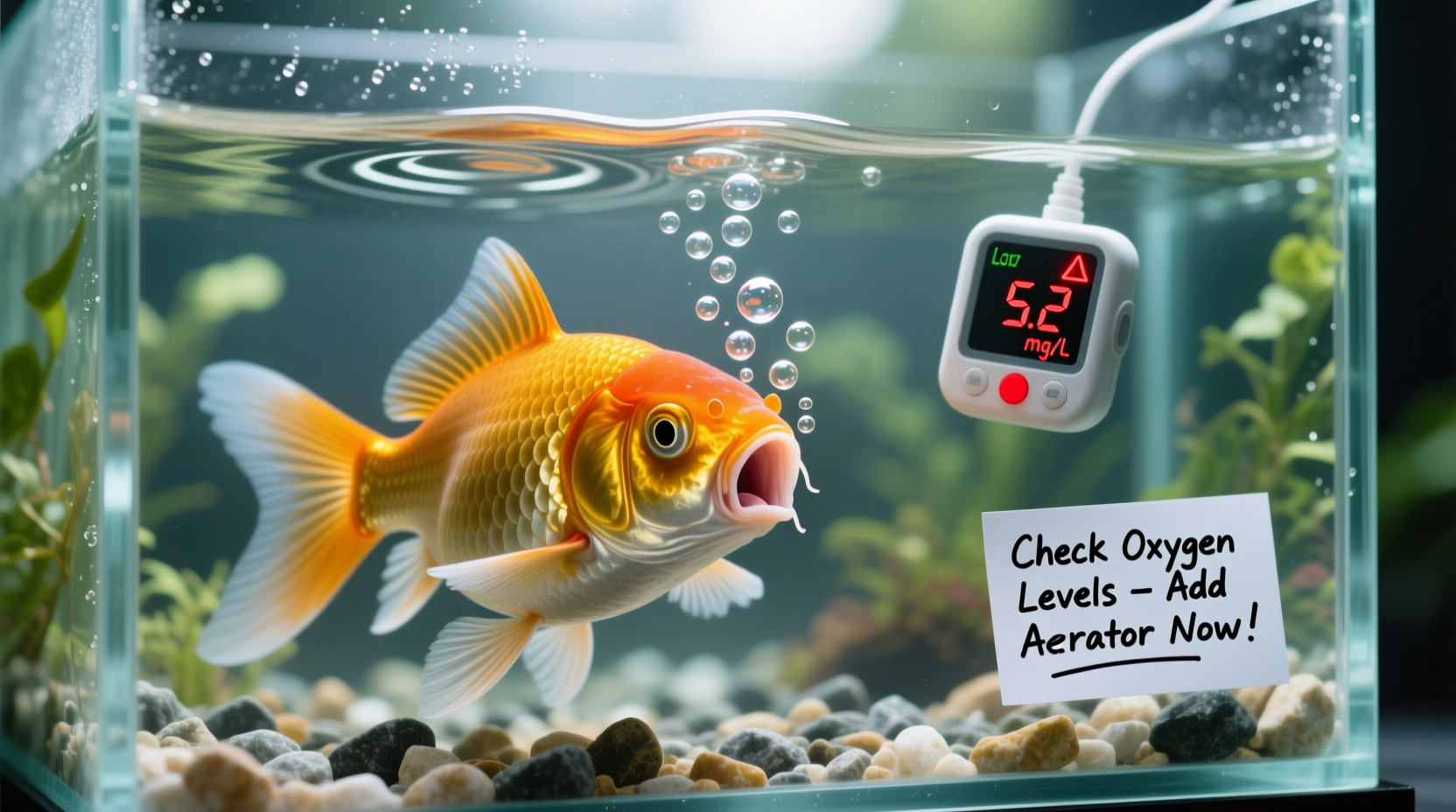
Fish rely on dissolved oxygen (DO) in the water to breathe through their gills. When oxygen levels drop below optimal thresholds, fish instinctively move toward the surface where gas exchange occurs between air and water. This area typically has slightly higher oxygen concentration due to contact with the atmosphere. However, sustained surface activity—often seen as rapid gill movement or \"gasping\"—is a clear sign of respiratory distress.
Not all surface behavior is alarming. Labyrinth fish, such as Siamese fighting fish and paradise fish, possess a special organ that allows them to extract oxygen directly from the air. These species naturally come up for breaths and may spend time near the surface without concern. But for most common aquarium fish—including tetras, danios, goldfish, and cichlids—persistent surface dwelling indicates environmental stress.
Other behavioral cues include:
- Clamped fins while at the surface
- Erratic or lethargic swimming patterns
- Loss of appetite or hiding more than usual
- Increased respiration rate (visible as fast gill flaring)
How to Check Oxygen Levels in Your Aquarium
Determining whether low oxygen is the issue requires more than guesswork. Several reliable methods exist to measure dissolved oxygen accurately.
Using a Dissolved Oxygen Test Kit
The most precise way to assess oxygen levels is with a digital DO meter or a liquid-based test kit. Digital meters provide instant readings and are highly accurate when calibrated regularly. Liquid kits, though slightly less precise, are affordable and effective for routine monitoring.
- Collect a water sample directly from the tank using a clean container.
- Follow the manufacturer’s instructions for reagent addition or probe immersion.
- Wait for the color change (in kits) or stabilization (in meters).
- Compare results against standard ranges.
Optimal dissolved oxygen levels for freshwater aquariums range between 6–8 mg/L (ppm). Levels below 5 mg/L begin to stress most fish; below 3 mg/L can lead to mortality if not corrected.
Alternative Indicators of Low Oxygen
If you don’t have access to a test kit, observe physical signs in both fish and the tank environment:
- Frequent surface gulping by multiple fish
- Stagnant water with little surface agitation
- Algae blooms or excessive organic debris
- Warm water temperature (warm water holds less oxygen)
“Dissolved oxygen is one of the most critical yet overlooked parameters in aquarium management. A simple test can prevent catastrophic losses.” — Dr. Lena Torres, Aquatic Biologist and Aquarium Health Consultant
Common Causes of Low Oxygen in Aquariums
Oxygen depletion doesn’t happen overnight. It usually results from a combination of biological, mechanical, and environmental factors. Identifying these causes is key to implementing long-term solutions.
| Cause | Explanation | Solution |
|---|---|---|
| Inadequate Aeration | Lack of air stones, filters, or water movement reduces surface agitation, limiting gas exchange. | Add an air pump with sponge stone or adjust filter output to break the surface. |
| Overstocking | Too many fish consume oxygen faster than it can be replenished. | Reduce bioload by rehoming fish or upgrading to a larger tank. |
| High Water Temperature | Warm water holds less dissolved oxygen; tropical tanks above 82°F are especially vulnerable. | Use a fan or chiller to cool the water, or increase surface agitation. |
| Poor Circulation | Dead zones form in corners where oxygen-poor water accumulates. | Install a powerhead or reposition filter outlets for better flow. |
| Excess Organic Waste | Decomposing food and waste consume oxygen during bacterial breakdown. | Perform regular water changes and clean substrate thoroughly. |
Real Example: A Community Tank Crisis
A hobbyist in Portland maintained a 40-gallon community tank with tetras, rasboras, and Corydoras catfish. After adding five new fish over a weekend, he noticed all species began congregating at the surface within 48 hours. Despite stable ammonia and nitrite levels, the fish showed signs of distress. He tested dissolved oxygen and found only 3.2 mg/L. The root cause? Overstocking combined with a clogged filter that reduced water flow. After performing a 50% water change, cleaning the filter, and installing an additional air stone, oxygen rose to 7.1 mg/L within six hours. Within a day, fish resumed normal mid-water swimming.
Tip: Always quarantine and acclimate new fish slowly. Sudden additions strain biological balance and oxygen capacity.Step-by-Step Guide to Restore Healthy Oxygen Levels
If your fish are gasping at the surface, immediate action is required. Follow this timeline to stabilize conditions and prevent fatalities.
- Immediate Response (0–30 minutes):
- Turn on all available aeration devices (air stones, sponge filters).
- Manually agitate the surface with a cup or clean net to encourage gas exchange.
- Perform a partial water change (25–30%) with dechlorinated water matched in temperature.
- Short-Term Actions (1–24 hours):
- Test for dissolved oxygen, pH, ammonia, nitrite, and temperature.
- Remove any uneaten food or decaying plant matter.
- Ensure filter is functioning properly and clean if necessary.
- Medium-Term Adjustments (1–7 days):
- Increase surface agitation using adjustable filter outputs or spray bars.
- Add live plants during daylight—they produce oxygen via photosynthesis.
- Reduce feeding temporarily to lower biological load.
- Long-Term Prevention (Ongoing):
- Maintain proper stocking density (1 inch of fish per gallon is a rough guideline, adjusted for species).
- Invest in a reliable air pump and redundant filtration.
- Monitor water parameters weekly, including oxygen in warm or densely stocked tanks.
Prevention Checklist: Maintain Optimal Oxygen Year-Round
To avoid recurring oxygen issues, integrate these practices into your aquarium maintenance routine:
- ✅ Install an air stone or sponge filter even in planted tanks
- ✅ Position filter outflow to ripple the water surface
- ✅ Avoid overfeeding—remove leftovers after 2 minutes
- ✅ Clean mechanical filter media weekly to maintain flow
- ✅ Keep tank lids partially open or use mesh covers to allow air exchange
- ✅ Monitor water temperature daily, especially in summer months
- ✅ Limit stocking to compatible, appropriately sized species
- ✅ Conduct 20–30% water changes every 7–10 days
Frequently Asked Questions
Can live plants increase oxygen in my aquarium?
Yes, live plants produce oxygen during daylight through photosynthesis. However, they consume oxygen at night, so heavily planted tanks still require surface agitation. Relying solely on plants for oxygenation is risky, especially in high-bioload systems.
Is surface film affecting oxygen exchange?
Absolutely. A thin oily film on the water surface acts as a barrier to gas exchange. It’s caused by protein buildup, leftover food, or skin oils. Break it up by adjusting filter flow, using a surface skimmer, or wiping the edges with a paper towel rolled around a ruler.
Why do my fish swim at the surface even after adding an air pump?
If surface behavior persists despite aeration, test for other stressors: elevated ammonia or nitrite, incorrect pH, or disease. Some fish may also exhibit learned behavior if oxygen was previously low. Ensure all parameters are balanced and observe for several days.
Conclusion: Act Now to Protect Your Fish
Fish swimming constantly at the surface is a warning sign that should never be ignored. While low oxygen is a primary cause, the solution lies not just in temporary fixes but in understanding the ecosystem dynamics of your aquarium. Regular testing, thoughtful stocking, and consistent maintenance create a resilient environment where fish can breathe easily and swim freely throughout the water column.
Don’t wait until gasping becomes widespread. Take proactive steps today—test your oxygen levels, evaluate your equipment, and fine-tune your care routine. A few adjustments now can prevent emergencies later and ensure your aquatic pets live longer, healthier lives.
💬 Have you dealt with low oxygen in your tank? Share your experience or ask questions in the comments—your insight could help another aquarist avoid a crisis.








