
Fish behavior is often a direct reflection of their environment and health. One common observation among aquarium owners is seeing their fish spending an unusual amount of time near the water’s surface. While occasional surface swimming can be normal, consistent or frantic activity in this zone may indicate underlying problems. Understanding the reasons behind this behavior—ranging from natural feeding habits to life-threatening conditions—is essential for maintaining a thriving aquatic ecosystem.
Water conditions, species-specific traits, and biological needs all play a role in how fish interact with their environment. Recognizing what’s typical versus what’s alarming allows aquarists to intervene early, preventing stress, disease, or loss. This article explores the science behind surface swimming, identifies warning signs, and provides actionable steps to restore balance in your tank.
Normal Reasons Fish Swim at the Surface
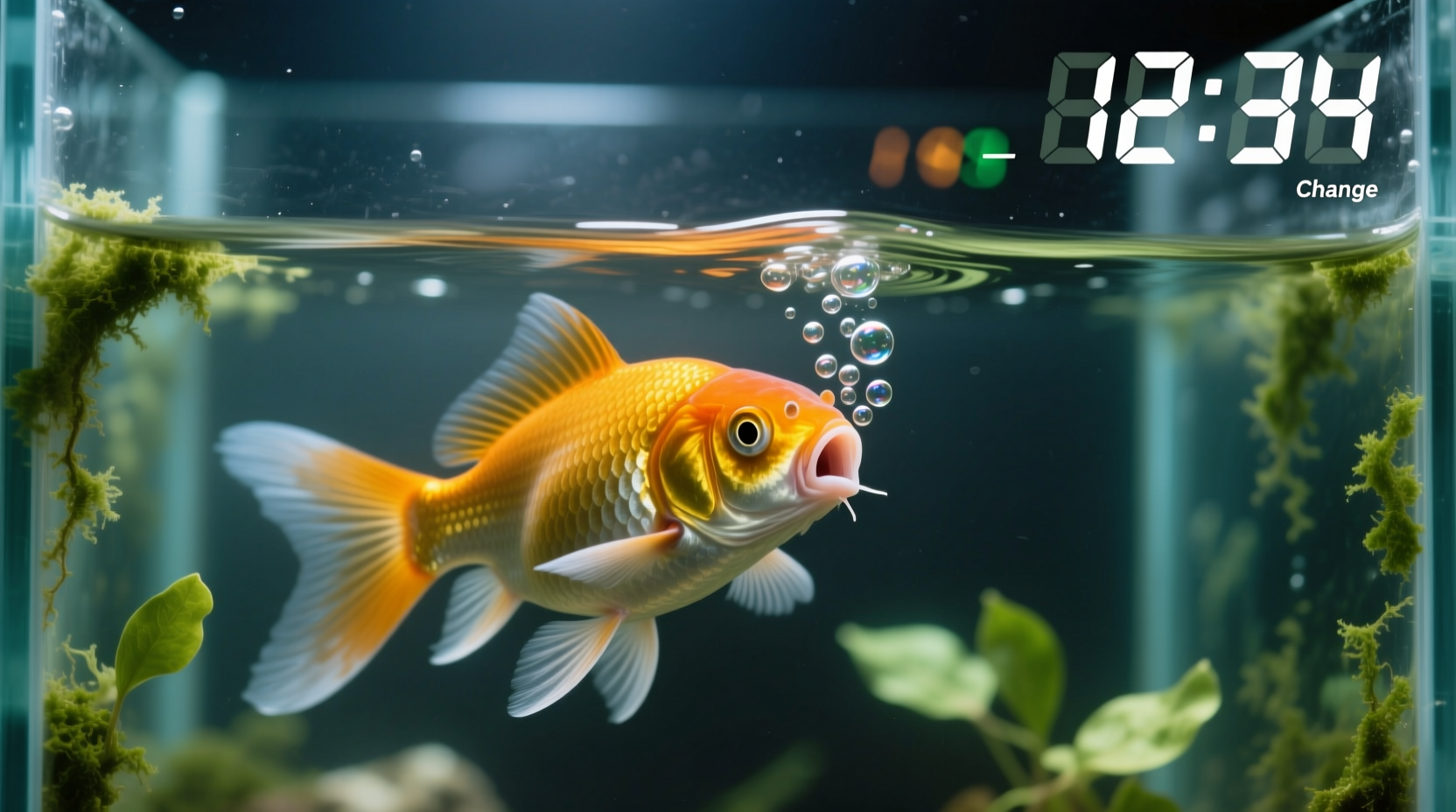
Not all surface activity indicates a problem. Many fish naturally spend time near the top due to instinctual behaviors or physiological adaptations. For example, bettas and gouramis are labyrinth fish, meaning they possess a special organ that allows them to breathe atmospheric air. These species regularly rise to the surface to gulp oxygen, especially in low-oxygen environments. This behavior is completely normal and even necessary for their survival.
Other fish may approach the surface during feeding times. If food floats or settles near the top, active feeders like tetras or danios will congregate there. Similarly, some species are mid-to-top dwellers by nature, such as hatchetfish or rainbowfish, which prefer upper water layers for swimming and social interaction.
In well-maintained tanks, brief visits to the surface are not cause for concern. However, if multiple fish exhibit persistent surface hovering, rapid gill movement, or gasping motions, it’s time to investigate further.
Tip: Observe your fish during non-feeding hours to determine if surface activity is habitual or stress-related.When Surface Swimming Signals Trouble
Prolonged surface swimming, particularly when accompanied by labored breathing or erratic movements, often points to environmental distress. The most common culprit is poor water quality. Ammonia, nitrite, or high nitrate levels can damage gill tissue, impairing oxygen uptake and forcing fish to seek relief at the surface where oxygen exchange occurs.
Low dissolved oxygen (DO) is another critical factor. Warm water holds less oxygen than cooler water, so tanks kept above 80°F (27°C) without adequate aeration may become hypoxic. Overstocking, lack of surface agitation, and insufficient filtration exacerbate this issue. Fish respond by increasing gill movement and staying near the top, where oxygen diffusion from the air is greatest.
Additionally, diseases such as gill parasites (e.g., *Ichthyobodo*), bacterial infections, or fungal growth on gills can reduce respiratory efficiency. In these cases, fish may appear lethargic despite constant mouth and gill movement—a clear sign of respiratory distress.
“Fish gasping at the surface is one of the most urgent red flags in aquarium keeping. It usually means they’re literally suffocating.” — Dr. Laura Chen, Aquatic Veterinarian
Step-by-Step Guide to Diagnosing the Issue
If you notice abnormal surface behavior, follow this diagnostic sequence to identify and resolve the root cause:
- Observe the fish closely: Note whether one or multiple fish are affected, and check for additional symptoms like clamped fins, discoloration, or white spots.
- Test water parameters: Use a liquid test kit to measure ammonia, nitrite, nitrate, pH, and temperature. Pay special attention to ammonia and nitrite, which should both read 0 ppm in a cycled tank.
- Check oxygen levels indirectly: Look for signs of poor surface agitation. If the water is still or only lightly rippled, oxygen exchange is likely inadequate.
- Inspect equipment: Ensure filters are functioning properly and air stones or powerheads are creating sufficient water movement.
- Assess stocking density: Overcrowding increases waste production and oxygen demand. A general guideline is 1 gallon of water per inch of adult fish, though this varies by species.
- Perform a partial water change: Replace 25–50% of the water with dechlorinated water matched in temperature to immediately improve conditions.
- Monitor response: After intervention, observe fish over the next 24–48 hours. Improvement should be noticeable within a day if water quality was the issue.
Common Causes and Solutions Table
| Cause | Symptoms | Solution |
|---|---|---|
| Low dissolved oxygen | Fish at surface, rapid gill movement, listlessness | Add air stone, increase surface agitation, reduce water temperature slightly |
| High ammonia/nitrite | Gasping, red or inflamed gills, loss of appetite | Immediate water change, test filter function, reduce feeding |
| Gill parasites or infection | Frantic breathing, flashing, visible gill damage | Quarantine affected fish, treat with appropriate medication |
| Overstocking | Chronic surface swimming, poor water clarity, frequent algae blooms | Relocate fish, upgrade tank size, enhance filtration |
| Incorrect temperature | Increased surface activity in warm water | Adjust heater settings, ensure proper ventilation |
Mini Case Study: The Overstocked Community Tank
A hobbyist maintained a 20-gallon freshwater tank housing 18 small tropical fish, including tetras, barbs, and two goldfish fry. Over several days, he noticed all fish spending more time near the surface, especially in the morning. Despite regular weekly water changes, ammonia levels began creeping up.
Testing revealed 0.5 ppm ammonia and minimal surface movement from the filter outflow. The owner added an air stone and performed a 40% water change. Within hours, fish resumed normal mid-water swimming. He later upgraded to a hang-on-back filter with greater flow and rehomed the goldfish to a larger system. The tank stabilized, and no further surface gasping occurred.
This case illustrates how multiple factors—overstocking, inadequate aeration, and rising toxins—can combine to create a crisis. Early detection prevented fatalities.
Tips for Maintaining Optimal Water Conditions
- Test water weekly using reliable liquid kits—not just strips—for accurate readings.
- Ensure surface agitation through filter output, air stones, or wave makers.
- Avoid overfeeding; excess food decays into ammonia.
- Never add too many fish at once; allow the biological filter to adjust.
- Keep live plants, which produce oxygen during daylight and absorb nitrates.
FAQ
Is it normal for my betta to stay at the top?
Yes, bettas are labyrinth fish and need to breathe air from the surface. As long as they swim throughout the tank and show no signs of distress, this behavior is healthy.
Why do my fish swim at the surface after a water change?
If fish begin gasping after a change, check the new water’s temperature and chemistry. Sudden shifts in pH or temperature can shock fish. Also, ensure tap water was properly dechlorinated.
Can stress cause surface swimming?
Yes. Environmental stressors like loud noises, bright lights, or aggressive tank mates may drive fish to the surface temporarily. However, prolonged stress weakens immunity and can mimic respiratory issues.
Preventative Checklist
To minimize the risk of surface-swimming emergencies, use this checklist monthly:
- ✅ Test ammonia, nitrite, nitrate, and pH
- ✅ Clean filter media with tank water (never tap water)
- ✅ Check air pump and tubing for blockages
- ✅ Verify heater accuracy with a separate thermometer
- ✅ Assess fish behavior for changes in appetite or activity
- ✅ Trim excessive algae and remove debris
- ✅ Confirm tank lid isn’t sealing the surface completely
Conclusion
Fish swimming at the surface is not inherently dangerous—but when it becomes persistent or widespread, it demands immediate attention. The difference between normal behavior and a cry for help lies in context: species type, water conditions, and accompanying symptoms. By understanding the biology behind respiration and maintaining vigilant tank care, aquarists can prevent most causes of surface gasping before they escalate.
Your aquarium is a closed ecosystem, and every action—from feeding to filtration—affects its balance. Responding quickly to behavioral changes ensures healthier, longer-lived fish and a more enjoyable hobby experience. Don’t wait for visible illness; let surface activity be your early warning system.
💬 Have you dealt with surface-swimming fish? Share your story or questions below—your experience could help another aquarist avoid a crisis.