Fish behavior is one of the most telling indicators of aquarium health. When you notice your fish consistently swimming at the surface, especially with frequent mouth movements or gasping motions, it’s not just a quirk—it’s often a distress signal. While some species naturally spend time near the top, persistent surface activity in others can point to serious water quality issues, oxygen deficiency, or disease. Understanding the reasons behind this behavior empowers you to take timely action, prevent fish loss, and maintain a balanced aquatic ecosystem.
Understanding Normal vs. Abnormal Surface Behavior
Not all surface swimming is cause for alarm. Certain fish species are adapted to live near the top. For example, bettas, gouramis, and hatchetfish have labyrinth organs that allow them to breathe atmospheric air directly. These fish regularly rise to the surface to gulp air—a completely normal and essential behavior.
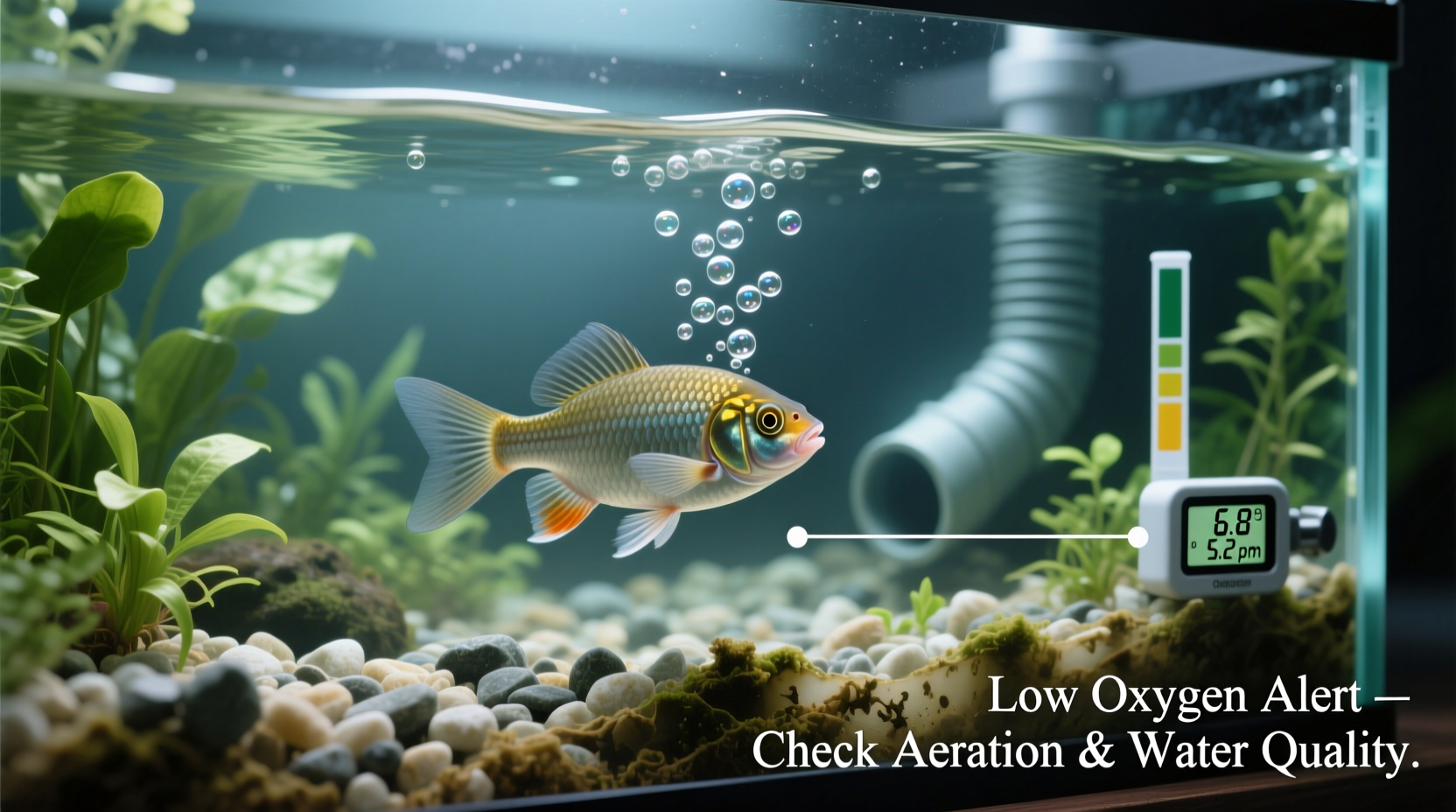
In contrast, when goldfish, tetras, cichlids, or other non-labyrinth fish begin lingering at the surface, especially with rapid gill movement or open-mouthed breathing, it typically indicates they’re struggling to extract enough oxygen from the water. This is a red flag requiring immediate investigation.
Tip: Observe your fish during feeding times and quiet periods. If surface-gulping continues outside of natural feeding behavior, investigate further.Primary Causes of Excessive Surface Swimming
Several interrelated factors can drive fish to the surface. Identifying the root cause is essential for effective correction.
1. Low Dissolved Oxygen Levels
Oxygen depletion is one of the most common reasons fish gather at the surface. Warm water holds less oxygen than cooler water, so tanks in hot environments or overstocked aquariums are especially vulnerable. Additionally, poor water circulation reduces oxygen exchange at the surface.
Signs include:
- Fish hovering just below the surface
- Rapid gill movement
- Lethargy despite surface activity
2. Poor Water Quality
Elevated levels of ammonia, nitrite, or nitrates interfere with a fish’s ability to absorb oxygen through its gills. Even if oxygen is present, toxic compounds can cause “chemical suffocation.” Ammonia, in particular, damages gill tissue, making respiration painful and inefficient.
A spike in these parameters often follows overfeeding, inadequate filtration, infrequent water changes, or sudden livestock additions.
3. Overstocking
Too many fish in a confined space increase bioload and oxygen demand while accelerating waste accumulation. The result is a double threat: higher oxygen consumption and faster degradation of water quality.
4. High Water Temperature
As water temperature rises, its capacity to hold dissolved oxygen decreases. A tropical tank kept above 82°F (28°C) without adequate aeration may become hypoxic, especially at night when plants stop producing oxygen.
5. Gill Disease or Parasites
Fish suffering from gill flukes, bacterial infections, or fungal growth on their gills may struggle to breathe even in well-oxygenated water. They compensate by staying near the surface where oxygen exchange is strongest.
Look for additional symptoms like clamped fins, frayed gills, or white spots around the gill covers.
“Fish gasping at the surface is nature’s alarm system. It tells you something is wrong—often before test kits confirm it.” — Dr. Laura Nguyen, Aquatic Veterinarian
Action Plan: Diagnosing and Fixing the Issue
When you observe abnormal surface swimming, follow this step-by-step diagnostic and response protocol:
- Observe and Identify Species: Confirm whether the fish are naturally surface-oriented (e.g., betta, gourami) or if the behavior is out of character.
- Check Water Temperature: Use a reliable thermometer. If above 80°F (27°C), consider improving airflow or using a fan to cool the surface.
- Test Water Parameters: Use a liquid test kit (more accurate than strips) to measure:
- Ammonia (should be 0 ppm)
- Nitrite (should be 0 ppm)
- Nitrate (ideally under 40 ppm)
- pH (species-dependent, but stability is key)
- Inspect Filtration: Ensure the filter is appropriately sized for the tank and functioning properly. Clean or replace media if clogged, but avoid replacing all media at once to preserve beneficial bacteria.
- Assess Aeration: Look for surface agitation. If the water is still, add an air stone, adjust filter output, or install a sponge filter to boost oxygen exchange.
- Perform a Partial Water Change: Replace 25–50% of the water with dechlorinated water matched in temperature. This immediately dilutes toxins and improves oxygen levels.
- Reduce Feeding Temporarily: Stop feeding for 24 hours if ammonia is elevated. Resume with small portions every other day until stability returns.
- Monitor Fish Closely: Watch for improvement within 12–24 hours after corrective actions. Persistent gasping warrants further intervention.
Prevention Checklist for Long-Term Tank Health
Maintaining a stable, healthy aquarium prevents surface-swimming behavior from occurring in the first place. Follow this comprehensive checklist:
- ✅ Test water weekly for ammonia, nitrite, nitrate, and pH
- ✅ Perform 20–30% water changes every 7–10 days
- ✅ Avoid overstocking—follow the “one inch of fish per gallon” guideline only as a rough starting point; prioritize biological load
- ✅ Ensure proper filtration: turnover rate should be at least 4x the tank volume per hour
- ✅ Maintain surface agitation via filter output, air stones, or powerheads
- ✅ Keep live plants but avoid overcrowding; they help oxygenate but also consume oxygen at night
- ✅ Never clean all filter media at once—preserve beneficial bacteria colonies
- ✅ Quarantine new fish for 2–4 weeks before introduction
- ✅ Feed only what fish can consume in 2 minutes, once or twice daily
- ✅ Monitor temperature daily and use a chiller or fan if needed in warm climates
Do’s and Don’ts: Common Mistakes in Oxygen Management
| Do’s | Don’ts |
|---|---|
| Use an air stone or sponge filter to increase surface agitation | Overstock the tank beyond filtration capacity |
| Position filter outlet to ripple the water surface | Turn off filters or air pumps overnight |
| Keep thermometers and test kits calibrated and accessible | Ignore early signs of stress like clustering at the top |
| Acclimate new fish slowly to avoid shock | Use tap water without dechlorinator |
| Clean filter media in old tank water (not tap water) to preserve bacteria | Perform full water changes during ammonia spikes |
Real Example: A Goldfish Tank Crisis
A hobbyist in Ohio reported that her two goldfish began gasping at the surface shortly after she added a third fish. The tank was a 20-gallon glass aquarium with a basic hang-on-back filter. She fed flakes twice daily and changed 20% of the water monthly.
After noticing the behavior, she tested the water using strips and found high ammonia (1.0 ppm) and nitrite (0.5 ppm). Despite adding a water conditioner, the fish remained at the surface.
She then followed a professional recommendation: performed a 50% water change with conditioned water, cleaned the filter sponges in removed tank water, reduced feeding, and installed an air stone. Within 12 hours, the fish resumed normal mid-water swimming. She upgraded to weekly water changes and eventually moved the fish to a 40-gallon tank to accommodate their growth and waste production.
This case illustrates how multiple factors—overstocking, infrequent maintenance, and inadequate aeration—can converge to create a life-threatening situation, even in seemingly stable tanks.
Frequently Asked Questions
Is it normal for my betta to stay at the surface?
Yes, bettas are labyrinth breathers and need to access atmospheric air. As long as they swim freely throughout the tank and show no signs of distress (like rapid gilling or clamped fins), surface visits are normal. However, if they remain motionless or struggle to dive, check for swim bladder issues or poor water quality.
Can live plants cause low oxygen at night?
Yes. During daylight, plants produce oxygen via photosynthesis. At night, they respire like animals, consuming oxygen and releasing CO₂. In heavily planted tanks with few fish, this is rarely a problem. But in densely stocked setups, nighttime oxygen dips can stress fish. Ensure surface agitation continues 24/7.
How do I know if my tank has enough oxygen?
Watch your fish. Active, evenly distributed swimming suggests good oxygenation. If fish cluster near filter outputs or break the surface frequently, oxygen may be low. You can also use a dissolved oxygen test kit (ideal range: 6–8 mg/L). Most home aquariums maintain sufficient levels with proper surface movement and filtration.
Conclusion: Your Fish Are Telling You Something
Fish don’t act out of boredom—they respond to their environment. When they swim at the surface abnormally, they’re signaling imbalance. Whether it’s oxygen starvation, chemical toxicity, or disease, the solution begins with observation, testing, and swift, informed action. An aquarium is a closed ecosystem, and every element—from stocking levels to filter performance—contributes to its stability.
By learning to interpret fish behavior, maintaining rigorous water care habits, and responding promptly to warning signs, you create not just a surviving tank, but a thriving one. Healthy fish explore all levels of the water column, interact naturally, and display vibrant coloration. That’s the goal—not just preventing death, but nurturing life.
💬 Have you experienced unusual fish behavior? Share your story or questions in the comments—your insight could help another aquarist avoid a crisis.








