
One moment, your car’s air conditioning is delivering crisp, cool air. The next, warm, stale airflow replaces it—without warning. This sudden loss of cooling isn’t just uncomfortable; it can signal underlying mechanical issues that worsen if ignored. While the immediate instinct might be to crank the temperature down or roll down the windows, understanding the root causes behind this failure is essential for timely repair and long-term vehicle health.
Modern automotive AC systems are complex, relying on precise refrigerant levels, electrical signals, mechanical components, and thermal regulation. When any part fails, the entire system can collapse into inefficiency. Whether you're facing a minor refrigerant leak or a seized compressor, identifying the culprit early saves money, prevents further damage, and restores comfort during hot weather.
How Car Air Conditioning Works: A Quick Overview
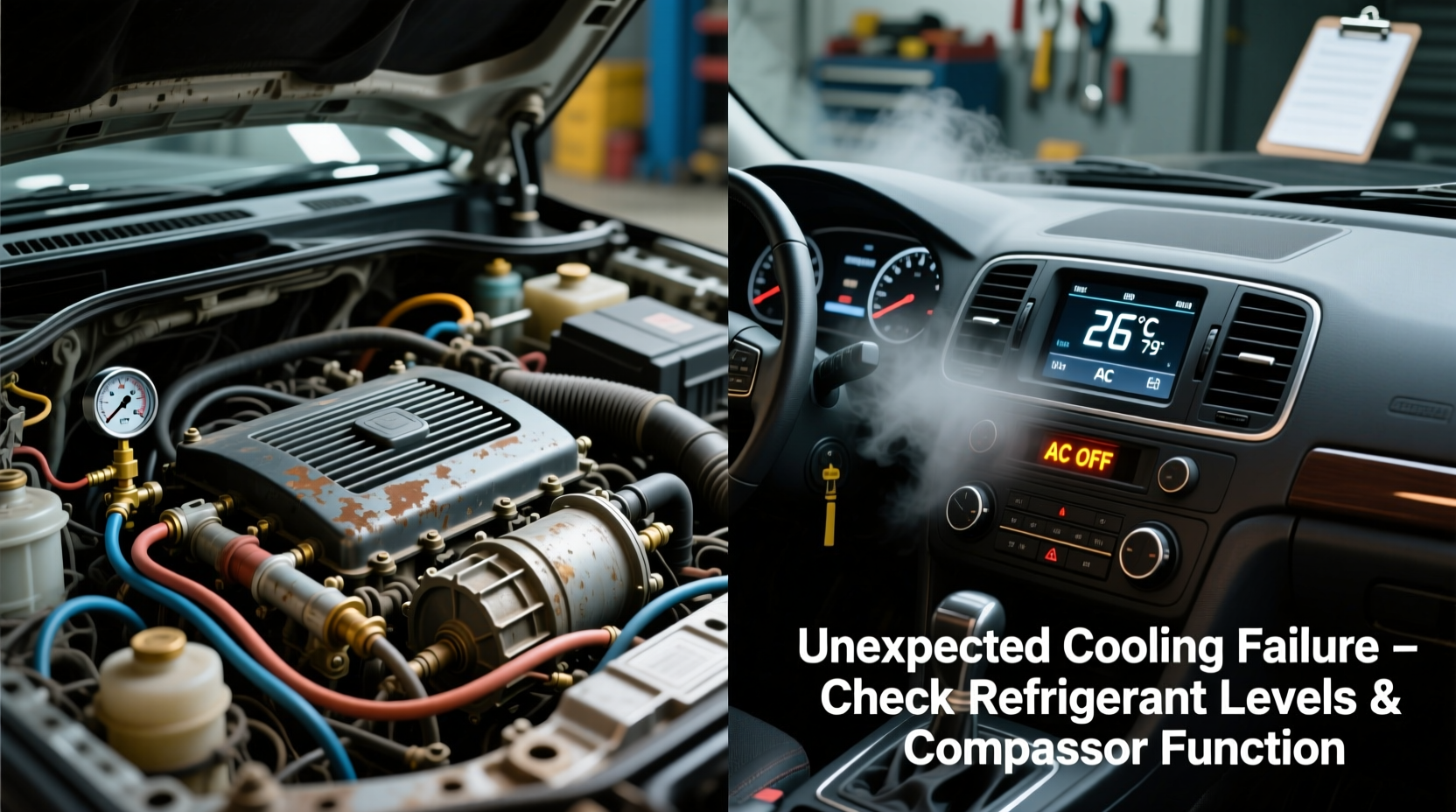
To understand why cooling fails, it helps to know how the system functions under normal conditions. A car’s AC operates on a closed-loop cycle involving compression, condensation, expansion, and evaporation of refrigerant—typically R-134a or the newer R-1234yf in modern vehicles.
- Compression: The AC compressor pressurizes gaseous refrigerant, raising its temperature.
- Condensation: Hot, high-pressure gas flows into the condenser (in front of the radiator), where it cools and turns into a liquid.
- Expansion: The liquid refrigerant passes through an expansion valve or orifice tube, dropping pressure and temperature dramatically.
- Evaporation: Cold liquid enters the evaporator inside the dashboard, absorbing heat from cabin air and turning back into gas.
- Recirculation: The cooled gas returns to the compressor, restarting the cycle.
This process relies on consistent refrigerant volume, proper electrical control, and mechanical integrity. Any disruption—whether a leak, blockage, or electrical fault—can halt effective cooling.
Tip: If your AC worked fine yesterday but failed today, check whether the system engages at all. Listen for the compressor clutch clicking on when you turn the AC on. No sound often points to electrical or pressure-related shutdowns.Common Causes of Warm Air from Car AC
Unexpected warm airflow usually stems from one of several predictable failures. Recognizing the symptoms helps narrow down diagnostics before visiting a mechanic.
1. Low Refrigerant Levels (Leak)
The most frequent cause of weak or warm airflow is insufficient refrigerant. Unlike engine oil, refrigerant doesn’t get \"used up\"—a drop in level indicates a leak. Common leak points include hoses, O-rings, the evaporator core, or the condenser near the grille.
Symptoms include:
- Gradual loss of cooling performance over weeks or months
- Hissing sounds under the hood (in severe cases)
- Frost on AC lines (if very low, causing freezing then melting)
2. Failed Compressor
The compressor is the heart of the AC system. If it fails mechanically or electrically, refrigerant won’t circulate. Common failure modes include seized internal parts, worn clutch bearings, or broken drive belts.
Warning signs:
- Loud grinding or squealing noises when AC is turned on
- Compressor clutch not engaging (visible under hood inspection)
- Belt slippage or visible damage
3. Clogged or Faulty Expansion Valve/Orifice Tube
This small component regulates refrigerant flow into the evaporator. If it becomes clogged with debris from internal corrosion or contaminated oil, refrigerant flow stops, halting cooling.
Diagnosis often requires pressure testing. Technicians look for abnormally high high-side pressure and low low-side pressure—a sign of restriction.
4. Electrical Issues
Modern AC systems depend on sensors, relays, fuses, and control modules. A blown fuse, faulty pressure switch, or malfunctioning thermostat can prevent the compressor from activating—even if mechanical components are intact.
Common electrical culprits:
- Blown AC fuse or relay in the power distribution box
- Failed ambient or cabin temperature sensor
- Wiring harness damage due to rodents or vibration
5. Condenser Damage
Located in front of the radiator, the condenser releases heat from compressed refrigerant. Road debris, stone impacts, or corrosion can damage fins or cause leaks. Reduced airflow through a dirty or bent condenser also impairs cooling.
A visual inspection often reveals bent fins, oil residue (indicating leaks), or blocked airflow from dirt buildup.
6. Blower Motor or Mode Door Problems
In some cases, cold air *is* being produced, but it isn't reaching the cabin. A failed blower motor resistor, stuck blend door actuator, or vacuum leak can force air through heater core instead of the AC path.
If you feel little or no airflow—even on high—it may point to blower issues. If airflow changes direction unexpectedly, suspect mode door actuators.
“Over 60% of AC complaints we see involve either low refrigerant due to leaks or compressor clutch failure. These are usually preventable with annual inspections.” — Carlos Mendez, ASE-Certified Master Technician
Step-by-Step Diagnosis at Home
You don’t need a professional shop to begin troubleshooting. Follow this sequence to identify likely issues before seeking service.
- Check if the compressor engages: Start the engine, set the AC to max cool and highest fan setting. Open the hood and observe the center of the AC compressor pulley. When AC is turned on, the inner hub should click and spin with the outer pulley. If it doesn’t engage, the issue is likely electrical or pressure-related.
- Inspect fuses and relays: Locate the main fuse box (usually under the hood). Refer to your owner’s manual for the AC fuse and relay positions. Visually inspect fuses and swap the AC relay with a similar one (e.g., horn relay) to test functionality.
- Listen for unusual noises: Grinding, squealing, or rattling when AC activates suggests mechanical failure in the compressor or belt system.
- Feel the AC lines: After running the AC for 2–3 minutes, carefully touch the two large rubber hoses connected to the compressor. One should be cold (suction line), the other warm/hot (discharge line). If both are room temperature, refrigerant isn’t cycling.
- Check airflow and vent behavior: Ensure air comes out of the correct vents. If switching between defrost and floor vents doesn’t change airflow, a blend door actuator may be stuck.
Do’s and Don’ts of AC Repair
| Action | Do | Don't |
|---|---|---|
| Refrigerant Recharge | Have a technician evacuate, recharge, and dye-test for leaks | Add refrigerant from a DIY can without fixing the leak |
| Compressor Noise | Stop using AC immediately to avoid metal shavings spreading | Continue driving with a grinding compressor |
| Electrical Faults | Test fuses, relays, and voltage at the compressor connector | Jump the compressor directly without diagnosing cause |
| System Contamination | Flush lines and replace accumulator/drier after compressor failure | Install a new compressor without cleaning the system |
| Preventive Maintenance | Run AC for 10 minutes weekly, even in winter | Only use AC during summer months |
Mini Case Study: The Intermittent AC Mystery
Mark, a delivery driver in Phoenix, noticed his 2017 Honda CR-V’s AC would work perfectly in the morning but blow warm air by noon. He initially assumed it was overheating, but coolant levels were normal.
After checking fuses and verifying the compressor engaged intermittently, a technician connected gauges. High-side pressure spiked dramatically under load, while low-side pressure dropped. The diagnosis? A failing thermal expansion valve that would stick closed when hot.
Replacing the expansion valve and flushing the system restored full cooling. Mark learned that heat-sensitive components can pass cold tests but fail under real-world conditions—highlighting the importance of dynamic diagnostics.
When to Seek Professional Help
While basic checks are safe for DIYers, certain repairs require specialized tools, EPA-certified refrigerant handling, and vacuum pumps. Seek professional assistance if you encounter:
- Visible refrigerant leaks (oily residue on hoses or fittings)
- Need for system evacuation and recharge
- Compressor replacement or clutch repair
- Electrical faults requiring scan tool diagnostics
- Internal contamination requiring system flush
Technicians use manifold gauges to measure high and low pressures, helping differentiate between undercharge, overcharge, blockages, and compressor failure. They can also perform UV dye leak detection or electronic sniffer tests for pinpoint accuracy.
Frequently Asked Questions
Can low coolant affect my AC performance?
No—engine coolant and AC refrigerant are separate systems. However, an overheating engine can trigger safety controls that disable the AC compressor to reduce load. So while coolant doesn’t cool the cabin, extreme engine heat indirectly impacts AC operation.
Why does my AC work better at highway speeds?
This often indicates poor condenser airflow. At higher speeds, more air passes through the condenser, improving heat rejection. At idle, inadequate airflow—due to fan failure, blocked fins, or debris—reduces efficiency. Check if the cooling fan runs when the AC is on.
Is it safe to drive with a broken AC compressor?
If the compressor is seized but the drive belt can bypass it (some vehicles allow this via a bypass pulley), yes. But if the seized unit locks the serpentine belt, it can disable the alternator, power steering, or water pump. Immediate repair is critical in such cases.
Preventive Checklist: Keep Your AC Reliable
- ✅ Run the AC for at least 10 minutes once a week, year-round
- ✅ Replace the cabin air filter every 12–15,000 miles
- ✅ Inspect belts and hoses during oil changes
- ✅ Clean condenser fins gently with a fin comb or soft brush
- ✅ Address weak cooling immediately—don’t wait for total failure
- ✅ Schedule a professional AC inspection every two years
Conclusion: Act Early, Stay Cool
Warm air from your car’s vents isn’t just an inconvenience—it’s a signal. Modern AC systems are durable but demand attention when symptoms arise. From simple fuse replacements to major compressor rebuilds, addressing issues early preserves comfort, protects your wallet, and maintains resale value.
By understanding the basics of how your AC works and recognizing early warning signs, you gain control over repairs and avoid costly cascading failures. Whether you handle initial diagnostics yourself or consult a trusted technician, staying proactive ensures your vehicle remains a refuge from the heat, mile after mile.
💬 Experiencing AC troubles? Share your story or ask questions below. Let’s help each other stay cool on the road.








