
Sitting for extended periods—whether at a desk, during long flights, or on the couch—can lead to noticeable swelling in the ankles. This condition, known as peripheral edema, is more than just a temporary discomfort; it can be an early clue to underlying circulatory or systemic issues. While occasional swelling may seem harmless, recurring or persistent fluid buildup warrants attention. Understanding the mechanisms behind this phenomenon, recognizing risk factors, and knowing how to respond can make a significant difference in both comfort and long-term health.
What Causes Ankle Swelling After Prolonged Sitting?
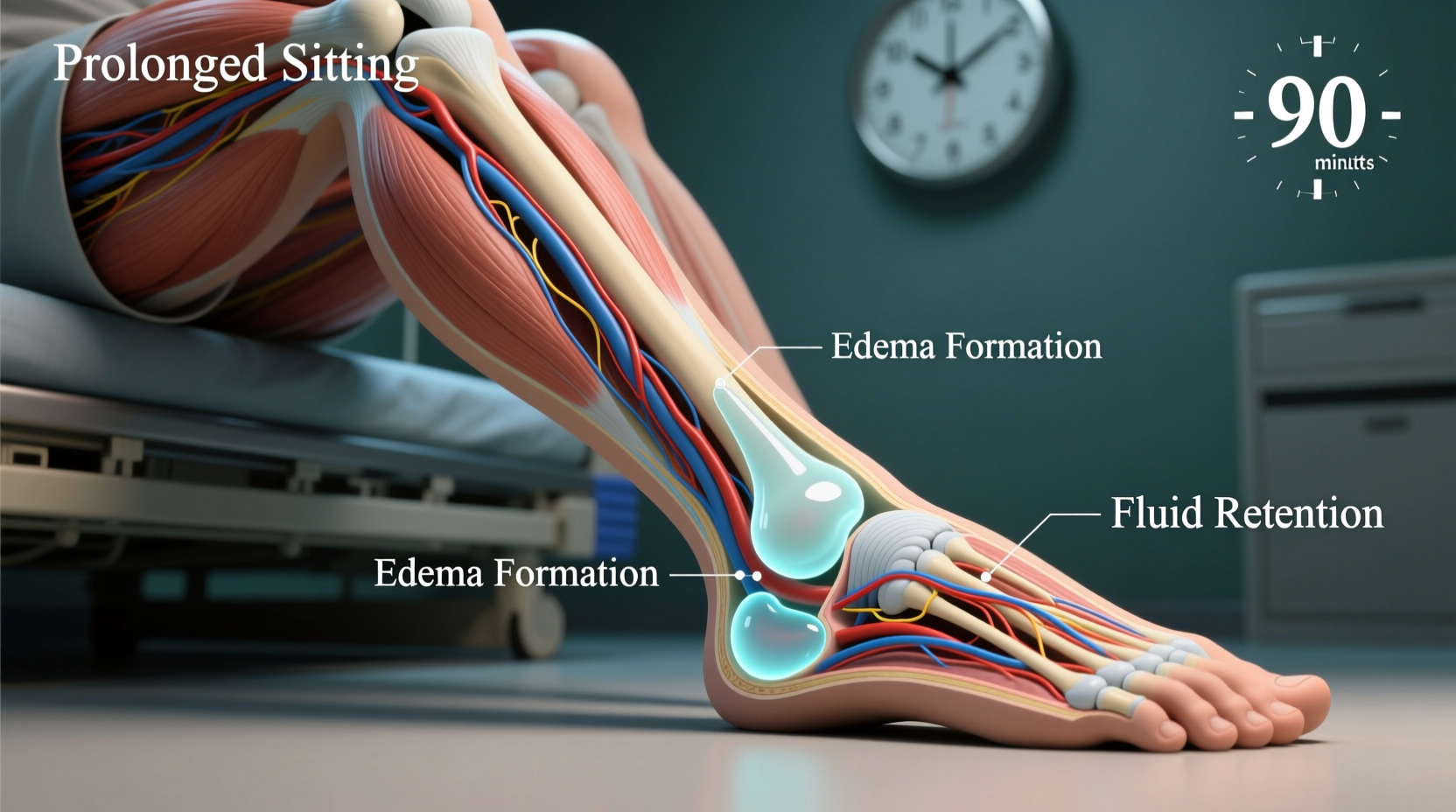
When you remain seated for hours without movement, gravity causes blood and interstitial fluid to pool in the lower extremities. The veins in your legs rely heavily on muscle contractions to pump deoxygenated blood back to the heart. Without regular calf muscle activation—such as walking or stretching—this return flow slows down. As pressure builds in the capillaries, fluid leaks into surrounding tissues, particularly around the ankles and feet.
This process is exacerbated by several physiological factors:
- Reduced venous return: Inactivity weakens the \"muscle pump\" effect in the calves, slowing circulation.
- Increased hydrostatic pressure: Fluid naturally shifts downward due to gravity when upright or seated.
- Capillary permeability: In some individuals, especially those with compromised vascular systems, capillaries allow more fluid to escape into tissue spaces.
- Lymphatic stagnation: The lymphatic system, which helps drain excess fluid, also depends on movement to function efficiently.
The result? Puffiness, tightness in socks or shoes, and sometimes a dimpling effect when pressing on the skin—a sign known as pitting edema.
Tip: Elevate your legs above heart level for 15–20 minutes after prolonged sitting to encourage fluid drainage.Fluid Retention Clues That Go Beyond Normal Swelling
Not all ankle swelling is created equal. While mild puffiness after a long day of sitting is common, certain patterns and accompanying symptoms suggest deeper issues related to fluid retention. Recognizing these clues early can prevent complications.
Key Warning Signs of Abnormal Fluid Retention
| Clue | Description | Potential Cause |
|---|---|---|
| Pitting Edema | Finger leaves an indentation that takes seconds to rebound | Systemic fluid overload, heart failure, kidney disease |
| Bilateral Swelling | Both ankles affected equally | Cardiac, renal, or liver dysfunction |
| Unilateral Swelling | Only one ankle swollen, possibly warm and red | Deep vein thrombosis (DVT), injury, infection |
| Rapid Onset | Swelling appears suddenly within hours | Blood clot, allergic reaction, trauma |
| Accompanying Symptoms | Shortness of breath, fatigue, weight gain | Heart failure, nephrotic syndrome |
If swelling persists beyond a few hours of elevation and movement, or if it’s associated with chest pain, dizziness, or difficulty breathing, immediate medical evaluation is essential.
“Persistent lower limb edema isn’t just cosmetic—it’s often the body’s way of signaling impaired organ function.” — Dr. Alan Reyes, Vascular Medicine Specialist
Common Risk Factors and Underlying Conditions
While anyone can experience temporary ankle swelling from inactivity, certain individuals are more susceptible due to pre-existing conditions or lifestyle factors.
Medical Conditions Linked to Fluid Retention
- Chronic Venous Insufficiency (CVI): Damaged or weakened valves in leg veins impair blood flow, leading to chronic swelling, varicose veins, and skin changes.
- Heart Failure: Reduced cardiac output increases venous pressure, forcing fluid into tissues—often presenting first in the ankles.
- Kidney Disease: Impaired filtration leads to sodium and water retention, causing generalized edema including periorbital (eye) and leg swelling.
- Liver Cirrhosis: Low albumin production reduces oncotic pressure, allowing fluid to leak into interstitial spaces (ascites and leg edema).
- Lymphedema: Blockage or damage to lymph vessels prevents proper fluid drainage, often resulting in firm, non-pitting swelling.
Lifestyle and Situational Triggers
- Long-haul flights or car rides (>4 hours)
- High-sodium diet
- Obesity, which increases venous pressure and inflammation
- Pregnancy, due to hormonal shifts and increased blood volume
- Sedentary work environments with minimal standing or walking breaks
Even medications like calcium channel blockers (for hypertension), NSAIDs, steroids, and certain diabetes drugs can contribute to fluid retention.
Step-by-Step Guide to Reduce and Prevent Ankle Swelling
Addressing post-sitting ankle swelling involves a combination of immediate relief strategies and long-term habits. Follow this timeline to manage symptoms effectively.
- Immediate Action (Within 30 Minutes of Noticing Swelling):
- Elevate legs above heart level using pillows.
- Perform ankle circles: rotate each foot clockwise and counterclockwise for 1 minute.
- Take a short walk (5–10 minutes) to activate calf muscles.
- Daily Prevention Routine:
- Set a timer to stand or stretch every 30–60 minutes while seated.
- Wear compression socks (15–20 mmHg) during long periods of inactivity.
- Stay hydrated—dehydration signals the body to retain more fluid.
- Limit processed foods high in sodium.
- Weekly Maintenance:
- Incorporate low-impact exercises like swimming or cycling to improve circulation.
- Monitor weight and watch for sudden gains (a sign of fluid accumulation).
- Check footwear: avoid tight shoes or socks with restrictive bands.
- Monthly Review:
- Assess whether swelling frequency has changed.
- Review medications with your doctor if edema began after starting a new drug.
- Consider a venous ultrasound if unilateral swelling persists.
Mini Case Study: Office Worker with Recurrent Ankle Swelling
Mark, a 47-year-old software developer, noticed his socks left deep imprints by mid-afternoon. Initially dismissing it as normal fatigue, he began experiencing shortness of breath climbing stairs. After three months of worsening bilateral ankle swelling, he consulted a cardiologist.
Testing revealed mild congestive heart failure (CHF), likely exacerbated by a sedentary lifestyle and a diet high in sodium. With medication adjustments, daily walks, reduced salt intake, and wearing compression stockings, Mark’s swelling decreased significantly within six weeks. His case underscores how seemingly minor symptoms can point to serious conditions when ignored.
Do’s and Don’ts of Managing Post-Sitting Edema
| Do’s | Don’ts |
|---|---|
| Move every hour—even a 2-minute walk helps | Sit for 6+ hours without standing or stretching |
| Drink plenty of water to support kidney function | Consume excessive salty snacks or fast food |
| Use graduated compression socks during travel | Wear tight socks or garters that restrict circulation |
| Elevate legs whenever possible | Ignore swelling that doesn't resolve overnight |
| Track symptoms in a journal or app | Self-diagnose or delay seeing a healthcare provider |
FAQ: Common Questions About Ankle Swelling and Fluid Retention
Is ankle swelling after sitting dangerous?
Occasional mild swelling is usually not dangerous and resolves with movement and elevation. However, if swelling is frequent, painful, asymmetric, or accompanied by other symptoms like shortness of breath or fatigue, it could indicate a cardiovascular or systemic issue requiring medical assessment.
Can drinking more water reduce fluid retention?
Yes. Adequate hydration helps the kidneys flush excess sodium and fluids. Paradoxically, dehydration triggers the body to hold onto water, worsening edema. Aim for 6–8 glasses of water daily unless restricted by a medical condition.
When should I see a doctor about swollen ankles?
Seek medical advice if swelling:
- Persists despite rest, elevation, and activity
- Affects only one leg (possible DVT)
- Is accompanied by chest pain, palpitations, or difficulty breathing
- Develops rapidly or is severe
- Occurs with unexplained weight gain or fatigue
Final Thoughts: Listen to Your Body’s Signals
Ankle swelling after prolonged sitting is more than a nuisance—it’s a physiological signal. Your body uses fluid distribution as a feedback mechanism, indicating where circulation, metabolism, or organ function may need support. Ignoring repeated episodes risks missing treatable conditions like venous insufficiency, heart strain, or kidney imbalance.
Simple lifestyle adjustments—regular movement, mindful eating, proper hydration, and timely medical checkups—can dramatically reduce swelling and enhance overall well-being. Pay attention to patterns, track changes, and don’t normalize discomfort simply because it’s common.
💬 Have you experienced persistent ankle swelling? Share your story or questions below. Your experience might help someone recognize their own warning signs earlier.








