
In an age where streaming platforms release entire seasons at once, it’s no longer unusual for viewers to consume a full TV series in a single sitting. From gripping dramas to lighthearted comedies, millions log in after work or on weekends prepared to spend hours—or even an entire day—immersed in fictional worlds. But what drives this behavior? Why do so many people feel compelled to binge-watch an entire series in one go, often at the expense of sleep, productivity, or social interaction? The answer lies deep within human psychology, neuroscience, and modern digital culture.
Binge-watching isn’t just a passive pastime; it’s a complex psychological phenomenon shaped by narrative design, emotional reward systems, and societal shifts. Understanding the forces behind this habit can help us make more mindful choices about our media consumption while still enjoying the entertainment we love.
The Rise of the Binge-Watching Culture
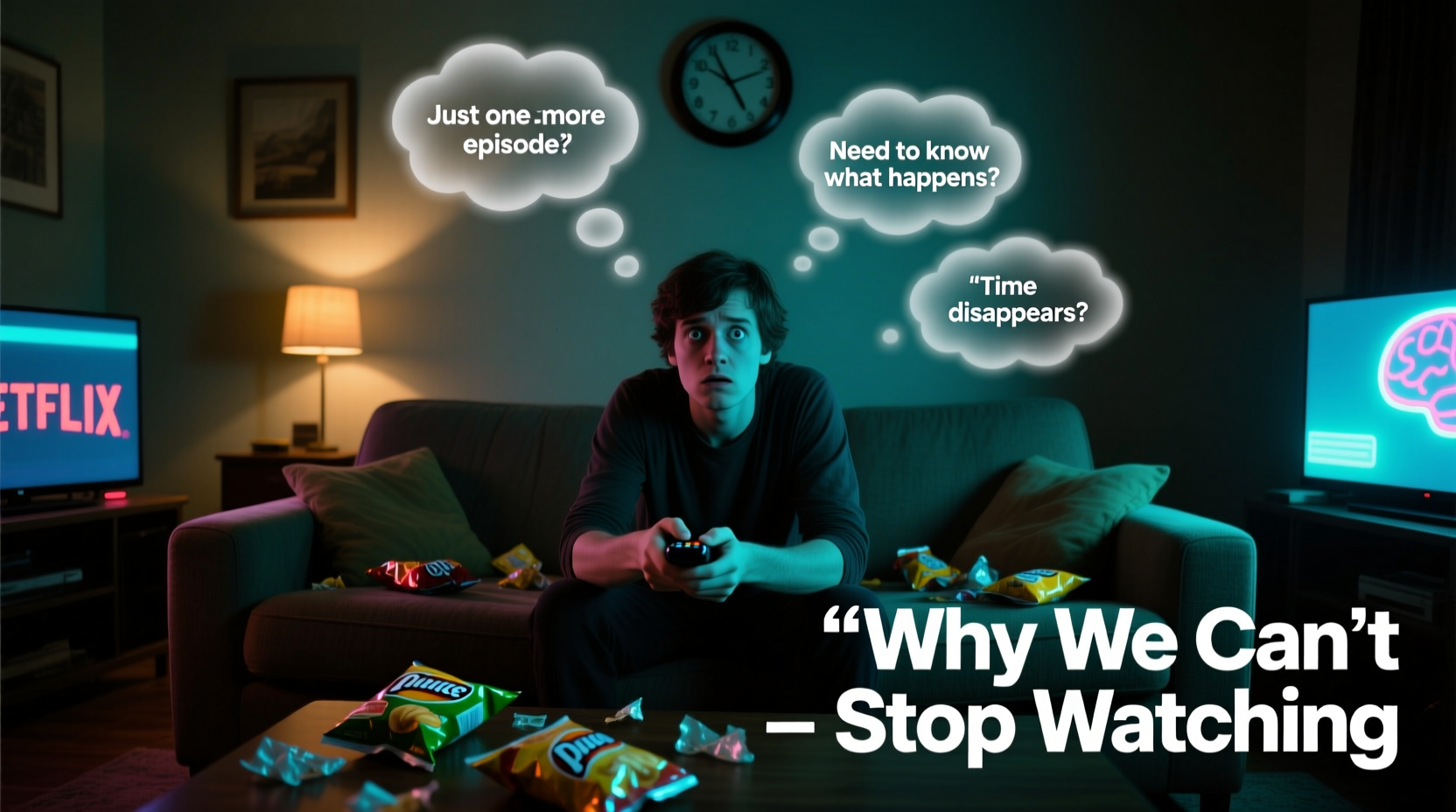
The term “binge-watching” entered mainstream vocabulary around 2013, coinciding with the rise of Netflix and other on-demand streaming services. Unlike traditional television, which relied on weekly episode releases, platforms like Netflix began dropping full seasons all at once. This shift gave audiences unprecedented control over when and how they watched content—power that many used to consume entire series in record time.
A 2022 survey by Deloitte found that nearly 70% of streaming subscribers have completed an entire season in fewer than seven days, with a significant portion doing so in under 48 hours. For some, finishing a show in a single day has become a badge of honor—a testament to dedication, stamina, and emotional investment.
This cultural shift wasn't accidental. Streaming services use algorithms to recommend similar content immediately after a finale ends, often auto-playing the next episode with a countdown timer. These features exploit behavioral psychology principles designed to keep users engaged as long as possible.
The Psychological Triggers Behind Marathon Viewing
At its core, binge-watching taps into several powerful psychological mechanisms:
- Narrative transportation: When viewers become deeply absorbed in a story, they experience a state known as narrative transportation—essentially getting \"lost\" in the plot. This immersive experience reduces awareness of time and surroundings, making it easy to watch episode after episode without noticing fatigue.
- Dopamine-driven rewards: Each cliffhanger or emotional payoff triggers a release of dopamine, the brain’s pleasure chemical. The anticipation of what happens next keeps viewers hooked, creating a feedback loop similar to gambling or social media scrolling.
- Emotional regulation: Many turn to binge-watching during periods of stress, loneliness, or boredom. Characters become companions, and stories serve as temporary escapes from real-life pressures.
- Fear of missing out (FOMO): With social media buzzing about plot twists and finales, viewers often rush to catch up before spoilers spread, turning watching into a socially urgent task rather than leisure.
“Binge-watching is not simply about entertainment—it's a form of emotional self-medication for many. People use stories to regulate mood, cope with isolation, and reclaim a sense of control.” — Dr. Rebecca Moore, Clinical Psychologist specializing in digital behavior
The Role of Storytelling Design in Encouraging Binges
Modern television is engineered for marathon viewing. Writers and producers now craft serialized narratives with interwoven arcs, constant tension, and strategic cliffhangers every few episodes—techniques specifically designed to maintain viewer engagement across multiple installments.
Consider the structure of popular series like *Stranger Things*, *Squid Game*, or *The Crown*. They employ:
- Slow-burn mysteries introduced early and resolved late
- Character backstories revealed incrementally
- High-stakes moments placed near episode endings
- Emotional payoffs timed to coincide with mid-season or final episodes
This storytelling architecture creates what psychologists call “continuation desire”—a strong urge to keep going, fueled by unresolved tension. It’s why viewers tell themselves “just one more episode” only to look up four hours later.
Tip: If you want to avoid unintentional binges, set a hard stop before starting a new series—such as two episodes per night—and stick to it.When Binge-Watching Becomes Problematic
While occasional marathon viewing can be enjoyable and harmless, excessive consumption may signal deeper issues. Research published in the Journal of Clinical Psychology links frequent binge-watching with higher levels of anxiety, depression, and poor sleep quality.
A 2021 study from the University of Texas found that individuals who regularly binge-watch report lower life satisfaction and increased feelings of loneliness—even though they initially turned to shows for comfort. The temporary relief provided by immersion gives way to guilt, fatigue, and disconnection from real-world relationships.
Signs that binge-watching may be crossing into unhealthy territory include:
- Sacrificing work, school, or family responsibilities to watch
- Feeling irritable or anxious when unable to watch
- Using shows to avoid dealing with personal problems
- Experiencing physical symptoms like eye strain, headaches, or back pain
- Lying about how much time was spent watching
| Healthy Viewing | Potentially Unhealthy Viewing |
|---|---|
| Watching 2–3 episodes with breaks | Watching 6+ episodes without pause |
| Enjoying the story without urgency | Feeling compelled to finish “no matter what” |
| Discussing the show casually | Obsessively checking forums or spoiler sites |
| Stopping when tired or busy | Staying up until 3 a.m. to finish a season |
| Returning to daily routines afterward | Feeling drained or unmotivated the next day |
How to Enjoy Marathons Mindfully: A Step-by-Step Guide
Binge-watching doesn’t need to be eliminated—it can be practiced intentionally. Here’s a five-step approach to enjoying your favorite series without losing balance:
- Set clear intentions before starting: Ask yourself why you’re watching. Is it to relax, connect with friends, or escape stress? Knowing your motivation helps you stay aware of your emotional state.
- Choose a viewing limit: Decide in advance how many episodes you’ll watch. Use a kitchen timer or phone alarm to signal the end of your session.
- Build in breaks: Pause every 45–60 minutes to stretch, hydrate, or walk around. This reduces physical strain and resets mental focus.
- Engage socially: Watch with a friend or partner, or schedule a post-show discussion. Shared viewing enhances enjoyment and reduces isolation.
- Reflect afterward: Take five minutes to journal or think about how you feel. Did the show uplift you? Leave you drained? This reflection builds self-awareness over time.
Real Example: Sarah’s Weekend Binge Spiral
Sarah, a 29-year-old graphic designer, downloaded a new mystery thriller on Friday night after a stressful week at work. She planned to watch just one episode but got pulled in by a shocking twist at the end of Episode 1. By midnight, she’d finished six episodes, skipping dinner and texting her roommate she “wasn’t hungry.”
On Saturday, she slept in, skipped her morning workout, and resumed watching. By evening, she’d completed all eight episodes. While she felt satisfied by solving the mystery, she also felt sluggish, disconnected from friends who invited her out, and guilty for neglecting chores.
After recognizing a pattern—she did this almost every time a new show dropped—Sarah decided to implement boundaries. Now, she watches no more than three episodes per weekend day and uses a planner to block viewing time. She reports feeling more in control and actually enjoying shows more because she’s not rushing through them.
Checklist: Healthy Binge-Watching Habits
Use this checklist to ensure your viewing habits support well-being:
- ☑ I’ve decided in advance how many episodes I’ll watch
- ☑ I’ve scheduled breaks every hour
- ☑ I’m not skipping meals or hygiene routines
- ☑ I’ve informed others if I’ll be unavailable
- ☑ I’m not using watching to avoid emotions or responsibilities
- ☑ I plan to reflect or discuss the show afterward
- ☑ I’ve set a device reminder to stop at my limit
Frequently Asked Questions
Is binge-watching addictive?
While not classified as a clinical addiction like substance abuse, binge-watching shares behavioral traits with compulsive behaviors. It activates the same reward pathways in the brain and can lead to loss of control, continued use despite negative consequences, and emotional dependence. For some, especially those with underlying anxiety or depression, it can become problematic.
Can binge-watching affect sleep?
Yes. Watching for extended periods—especially late at night—disrupts circadian rhythms due to blue light exposure from screens. Additionally, emotionally intense content can increase mental arousal, making it harder to fall asleep. Experts recommend avoiding screen time at least one hour before bed.
Are some genres more likely to trigger binges?
Yes. Genres with high suspense, mystery, or emotional intensity—such as thrillers, crime dramas, and romantic sagas—are more likely to encourage marathon viewing. Their storytelling structures are built on delayed gratification and continuous tension, which heightens continuation desire.
Conclusion: Reclaiming Control Without Losing Joy
Binge-watching entire series in one day is a product of evolving technology, masterful storytelling, and fundamental aspects of human psychology. There’s nothing inherently wrong with immersing yourself in a compelling narrative—you might laugh, cry, or feel inspired. The key is intentionality.
By understanding the psychological drivers behind marathon viewing, setting healthy limits, and reflecting on your habits, you can enjoy your favorite shows without letting them take over your life. Entertainment should enrich your days, not consume them.
🚀 Ready to watch smarter? Pick your next series, set a limit, and savor each episode like fine storytelling—not a race to the finish. Share your favorite mindful viewing tip in the comments below.








