
Running is one of the most accessible and effective forms of cardiovascular exercise, but persistent knee pain can turn a rewarding routine into a painful struggle. If you’ve ever wondered, “Why do my knees hurt when I run?” you're not alone. Millions of runners experience knee discomfort each year, often due to a combination of biomechanical issues, overuse, or improper training habits. The good news is that most causes are preventable or treatable with the right approach.
This guide breaks down the most common reasons behind runner’s knee pain, offers evidence-based solutions, and provides actionable steps to help you return to running—pain-free.
Common Causes of Knee Pain While Running
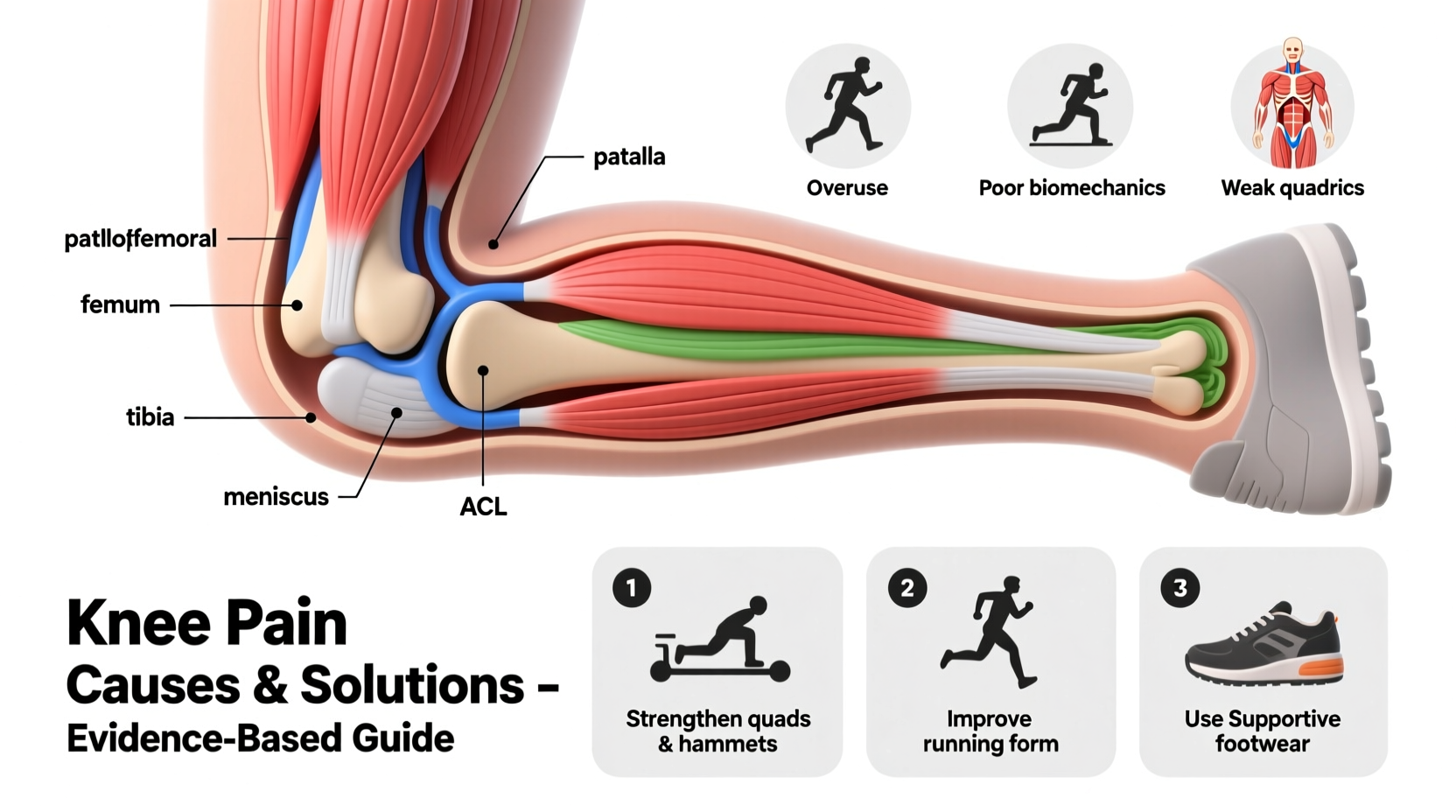
Knee pain during or after running rarely stems from a single factor. Instead, it's usually the result of cumulative stress, poor mechanics, or sudden increases in activity. Understanding the root cause is essential for effective treatment and prevention.
- Patellofemoral Pain Syndrome (Runner’s Knee): Characterized by a dull ache around the kneecap, this is the most frequent cause of knee pain in runners. It occurs when the patella (kneecap) rubs against the femur during movement, often due to muscle imbalances or tracking issues.
- Iliotibial Band Syndrome (ITBS): Pain on the outer side of the knee is typically linked to inflammation of the iliotibial band—a thick band of tissue that runs from the hip to the shin. Overuse and weak glutes are major contributors.
- Meniscus Tears: Sudden twisting or long-term wear can damage the cartilage cushioning the knee joint, leading to sharp pain, swelling, and restricted motion.
- Pes Anserine Bursitis: Inflammation of the bursa on the inner knee, commonly caused by tight hamstrings or excessive uphill running.
- Osteoarthritis: Degeneration of joint cartilage, more common in older runners or those with prior knee injuries.
- Improper Footwear or Running Form: Worn-out shoes or inefficient gait patterns increase impact forces transmitted through the knee.
Solutions and Preventive Strategies
Treating knee pain isn’t just about managing symptoms—it’s about correcting the underlying issues. A multifaceted approach combining strength training, recovery, and smart training adjustments delivers the best long-term results.
Strengthen Key Muscle Groups
Weak hips and quadriceps are consistently linked to knee instability. Targeted exercises improve alignment and reduce strain on the joint.
- Clamshells and side-lying leg lifts for gluteus medius activation
- Squats and step-ups to build quad strength
- Hamstring curls and bridges to balance posterior chain development
“Runners who incorporate strength training twice weekly report 50% fewer overuse injuries.” — Dr. Laura Chen, Sports Physical Therapist
Optimize Running Mechanics
Overstriding and heel striking amplify ground reaction forces. Transitioning to a midfoot strike with a higher cadence (170–180 steps per minute) reduces knee load.
Use a metronome app during short intervals to gradually increase stride frequency. Focus on landing with your foot under your center of mass, not ahead of it.
Choose the Right Footwear
Shoes should match your foot type and gait pattern. Replace them every 300–500 miles to maintain cushioning and support.
| Foot Type | Recommended Shoe | Avoid |
|---|---|---|
| Flat arches (overpronation) | Stability or motion-control shoes | Minimalist or neutral shoes |
| High arches (underpronation) | Cushioned, flexible shoes | Rigid or supportive models |
| Normal arches | Neutral running shoes | Overly stiff or unstable designs |
Step-by-Step Recovery Plan
If you’re currently experiencing knee pain, follow this structured timeline to safely return to running:
- Days 1–3: Rest and Reduce Inflammation
Stop running. Apply ice for 15 minutes every 2–3 hours. Consider NSAIDs if approved by your doctor. - Days 4–7: Assess and Mobilize
Begin gentle range-of-motion exercises. Use a foam roller on quads, IT band, and calves. Consult a professional if pain persists. - Weeks 2–3: Rebuild Strength
Incorporate low-impact cross-training (cycling, swimming). Start a daily strengthening routine targeting hips and legs. - Week 4: Test Run Progression
Try a walk-run protocol: 1 minute jog, 3 minutes walk, repeated for 20 minutes. Monitor pain during and after. - Week 5+: Gradual Return
Increase running intervals only if pain-free. Never increase weekly mileage by more than 10%.
Real Example: Sarah’s Recovery Journey
Sarah, a 34-year-old recreational runner, began experiencing sharp pain on the outside of her right knee after increasing her mileage for a half marathon. Initially, she pushed through the discomfort, but after two weeks, the pain worsened during daily activities.
She consulted a physical therapist who diagnosed iliotibial band syndrome. Her plan included four weeks of rest, targeted glute strengthening, foam rolling, and gait retraining. She replaced her 600-mile-old shoes with a stability model suited to her mild overpronation.
By following a structured return-to-run program and incorporating strength work twice a week, Sarah was back to pain-free running within eight weeks—and has since completed her race without setbacks.
Checklist: Prevent Knee Pain When Running
Use this checklist to minimize your risk of knee issues:
- ✅ Replace running shoes every 300–500 miles
- ✅ Warm up with dynamic stretches before every run
- ✅ Incorporate strength training 2x per week
- ✅ Limit weekly mileage increases to 10% or less
- ✅ Include cross-training (e.g., cycling, swimming) 1–2 times weekly
- ✅ Practice proper running form: upright posture, quick cadence, midfoot strike
- ✅ Cool down with static stretching, focusing on quads, hamstrings, and calves
Frequently Asked Questions
Can running damage my knees in the long term?
No—when done correctly, running does not increase the risk of osteoarthritis. In fact, studies show that regular runners have healthier joints than sedentary individuals. However, poor mechanics, excess body weight, or ignoring pain can contribute to joint issues.
Should I stop running if my knees hurt?
Yes, if the pain is sharp, persistent, or affects your gait. Continuing to run through significant pain can worsen underlying conditions. Switch to low-impact activities while addressing the cause.
Is it better to run on pavement or trails for knee health?
Softer surfaces like trails or grass reduce impact forces slightly, which may benefit those with sensitive knees. However, uneven terrain increases injury risk if you lack stability. Prioritize proper form and footwear over surface type.
Final Thoughts: Take Control of Your Running Health
Knee pain doesn’t have to end your running journey. Most causes are manageable with early intervention, consistent strength work, and intelligent training practices. Listen to your body, respect recovery, and don’t underestimate the value of professional guidance when needed.
Small changes today—like swapping worn shoes, adding glute bridges to your routine, or adjusting your stride—can protect your knees for years of pain-free running.
💬 Have you overcome knee pain while running? Share your story or tips in the comments—your experience could help another runner stay on track!








