It’s a familiar sound: the sharp pop or subtle snap of a joint releasing as you stretch your arms overhead, roll your neck, or bend your knees. For many people, joint cracking is a routine part of waking up or warming up for exercise. While often harmless, frequent or painful cracking can raise questions—especially if it’s accompanied by discomfort or swelling. Understanding why joints crack during stretching helps separate normal bodily functions from signs that may require medical attention.
The phenomenon isn’t limited to one joint. Fingers, shoulders, knees, hips, and even the spine can produce audible pops. Some people find the sensation satisfying; others worry it could be damaging their joints over time. The truth lies in biomechanics, gas dynamics within synovial fluid, and long-term joint health. This article breaks down the science behind joint cavitation, identifies when cracking might signal an underlying issue, and offers practical steps to maintain joint integrity.
The Science Behind Joint Cracking
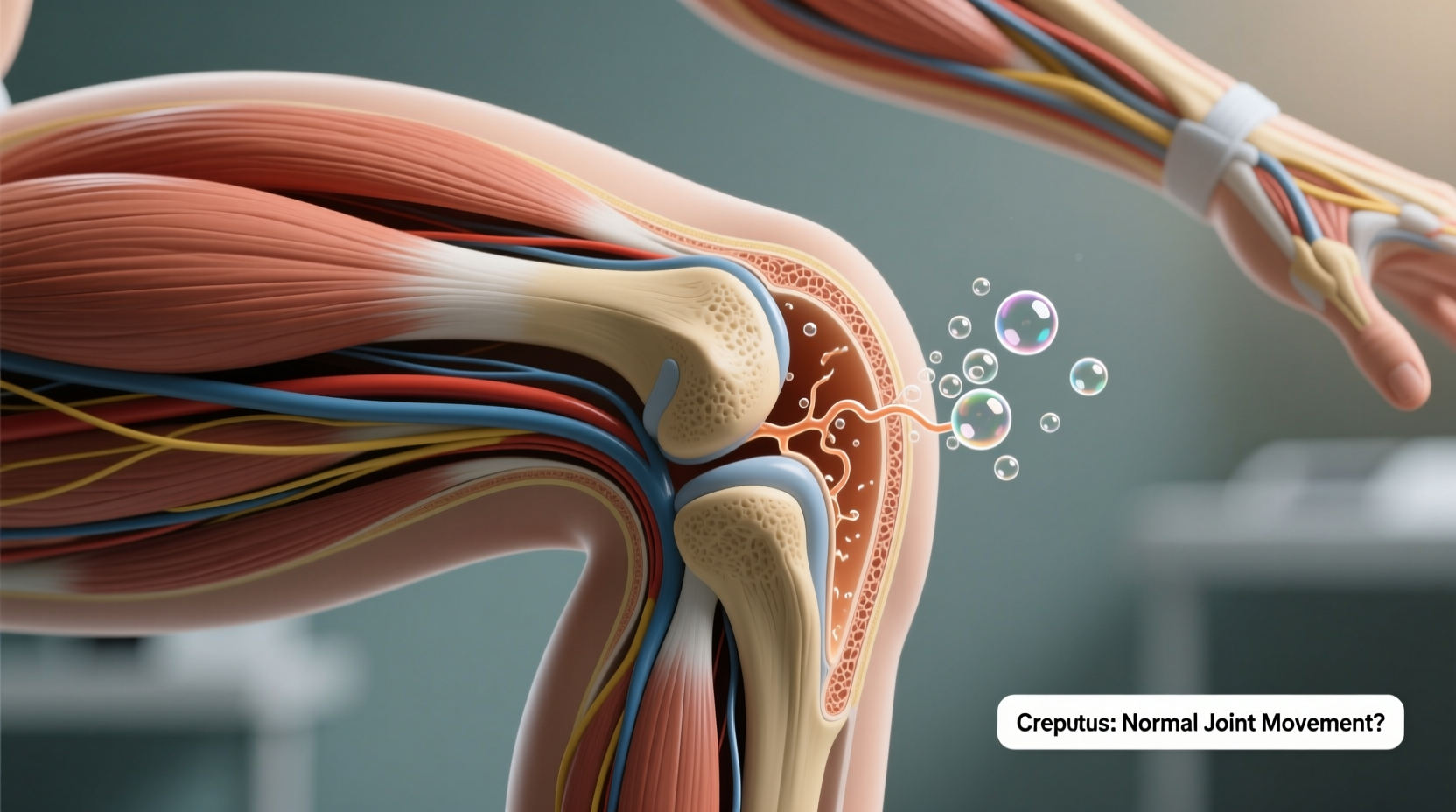
When you stretch or move a joint beyond its resting position, changes in pressure occur within the synovial fluid—a viscous substance that lubricates the joint capsule. This fluid contains dissolved gases, primarily nitrogen, oxygen, and carbon dioxide. As the joint space expands during movement, pressure drops rapidly, causing these gases to form small bubbles. When the pressure drops enough, the bubbles collapse suddenly, producing the characteristic popping or cracking sound known as *cavitation*.
This process was famously studied in 1947 by researchers at the University of Leeds, who used X-ray imaging to observe gas formation during knuckle cracking. More recently, MRI studies have confirmed that the “pop” coincides with the rapid creation of a cavity in the joint, not the collapse of bubbles as once believed. In fact, after a joint cracks, it takes approximately 15 to 30 minutes for the gases to re-dissolve into the fluid before another pop can occur—explaining why you can’t immediately crack the same knuckle twice.
Cavitation itself is generally painless and does not damage cartilage or lead to arthritis, contrary to popular belief. A well-known study published in the *Journal of the American Board of Family Medicine* followed individuals who regularly cracked their knuckles and found no increased risk of osteoarthritis compared to non-crackers.
Tip: If your joint cracking is pain-free and doesn't limit motion, it's likely just normal cavitation and nothing to worry about.Common Causes of Excessive Joint Cracking During Stretching
While occasional cracking is normal, some people experience frequent or widespread joint noises during everyday movements. Several factors contribute to increased joint sounds, especially during stretching routines:
- Ligament laxity: Individuals with naturally looser ligaments (such as those with benign joint hypermobility syndrome) may experience more frequent joint popping due to greater range of motion and instability.
- Tight muscles or tendons: When soft tissues are tight, they can snap over bony prominences during movement, creating audible clicks—commonly felt around the hip or shoulder.
- Reduced synovial fluid: Aging or inactivity can decrease joint lubrication, making movements noisier even without actual cavitation.
- Poor posture: Chronic slouching or forward head posture alters spinal alignment, increasing mechanical stress on cervical and thoracic joints, which may crack more readily during neck rolls or upper-body stretches.
- Previous injury: Old sprains, dislocations, or surgeries can leave scar tissue or altered joint mechanics, leading to irregular movement patterns and associated sounds.
In younger, active individuals, excessive cracking often stems from flexibility gains outpacing muscular control. Think of someone new to yoga: as they deepen into poses, previously restricted joints open up, releasing built-up gas and allowing tendons to glide differently across bones. Over time, with improved neuromuscular coordination, many report fewer audible pops.
When Joint Cracking May Signal a Problem
Not all joint noise is benign. Certain characteristics should prompt further evaluation by a healthcare provider. Pain, swelling, instability, or loss of function accompanying the crack are red flags. So too is repetitive clicking without a refractory period—suggesting mechanical issues rather than simple gas release.
“While most joint sounds are harmless, persistent crepitus combined with pain or swelling warrants assessment. It could indicate early degeneration, meniscal tears, or ligamentous injury.” — Dr. Lena Torres, Sports Medicine Physician
One condition often mistaken for harmless cracking is crepitus, a grinding or grating sensation felt under the skin. Unlike the isolated pop of cavitation, crepitus tends to repeat with every movement and may feel rough or crunchy. In the knee, this can stem from cartilage wear (early osteoarthritis), patellar maltracking, or meniscus damage. In the shoulder, labral tears or rotator cuff dysfunction can cause catching and snapping.
Another concern is snapping hip syndrome, where the iliotibial band or iliopsoas tendon flicks over the femur or hip bone during leg lifts or stretching. Though initially painless, repeated friction can lead to inflammation and bursitis. Similarly, in the spine, facet joint irritation or disc degeneration may produce repetitive cracking during forward bends or twists.
| Symptom | Likely Benign? | Potential Concern |
|---|---|---|
| Single pop during stretch, no pain | ✅ Yes | No |
| Repetitive grinding or grating | No | Cartilage wear, arthritis |
| Clicking with pain or swelling | No | Mechanical injury, inflammation |
| Joint feels unstable or locks | No | Ligament tear, meniscus issue |
| Cracking only after inactivity | ✅ Yes | Rarely concerning |
Practical Steps to Maintain Healthy Joints
Whether you're prone to joint cracking or simply want to protect long-term mobility, proactive care makes a significant difference. Focus on strengthening supporting muscles, improving alignment, and maintaining joint nutrition through movement.
Step-by-Step Guide to Reducing Unwanted Joint Noise
- Warm up before stretching: Cold joints are stiffer and more likely to produce noise. Begin with light cardio (e.g., brisk walking or arm circles) for 5–10 minutes.
- Strengthen stabilizing muscles: Weak core, glutes, or rotator cuff muscles force joints to compensate, increasing strain. Incorporate resistance training 2–3 times per week.
- Improve proprioception: Practice balance exercises like single-leg stands or yoga to enhance joint awareness and control.
- Stretch mindfully: Avoid aggressive bouncing or forcing joints beyond comfort. Hold static stretches for 20–30 seconds with steady breathing.
- Stay hydrated: Synovial fluid relies on adequate water intake. Aim for 2–3 liters daily depending on activity level.
- Consider supplements: Glucosamine, chondroitin, and omega-3 fatty acids may support joint health, though evidence varies. Consult your doctor before starting any regimen.
Checklist: Daily Habits for Joint Health
- ✅ Perform dynamic warm-ups before exercise
- ✅ Include strength training for major muscle groups
- ✅ Stay hydrated throughout the day
- ✅ Maintain a healthy body weight to reduce joint load
- ✅ Use proper form during lifting and physical activity
- ✅ Take movement breaks if sitting for long periods
- ✅ Listen to your body—don’t ignore pain or swelling
Real-Life Example: Addressing Chronic Knee Popping
Mark, a 34-year-old software developer and weekend cyclist, began noticing loud snapping in his right knee during morning stretches. Initially dismissed as normal, the sound became more frequent and started to ache after rides. He avoided deep squats and felt occasional tightness along the outer thigh.
After consulting a physical therapist, Mark learned he had mild iliotibial band syndrome exacerbated by weak gluteal muscles and prolonged sitting. His IT band was snapping over the lateral femoral epicondyle each time he extended his leg. The treatment plan included targeted glute activation exercises, foam rolling, and modifying his bike seat height to reduce knee strain. Within six weeks, both the pain and the snapping decreased significantly.
His case illustrates how seemingly minor joint noises can reflect deeper imbalances—and how early intervention prevents progression to chronic injury.
Frequently Asked Questions
Can cracking my joints cause arthritis?
No, current research shows no link between habitual joint cracking and the development of osteoarthritis. A landmark study tracking knuckle crackers over decades found no increased incidence of hand arthritis compared to non-crackers. However, applying excessive force or manipulating already injured joints can cause harm.
Why do my joints crack more in the morning?
Joints tend to stiffen overnight due to reduced movement and fluid redistribution. When you stretch upon waking, the sudden change in joint pressure releases accumulated gases, resulting in more noticeable pops. This usually resolves within minutes of movement.
Should I stop stretching if my joints crack?
Not necessarily. If the cracking is pain-free and doesn’t restrict movement, continue stretching with controlled, smooth motions. However, avoid repetitive manipulation or forcing a joint to pop. If discomfort arises, reassess your technique or seek guidance from a physical therapist.
Conclusion: Listen to Your Body, Not Just the Sounds
Joint cracking during stretching is overwhelmingly a normal physiological event driven by gas dynamics in synovial fluid. For most people, it’s a harmless occurrence, especially when isolated and painless. However, the presence of pain, swelling, or mechanical symptoms like locking should never be ignored. These may indicate underlying conditions that benefit from early diagnosis and treatment.
The key is awareness. Pay attention to how your joints feel, not just how they sound. Combine regular movement with strength training and mindful stretching to support long-term joint resilience. Small, consistent habits—like warming up properly, staying hydrated, and correcting posture—add up to meaningful protection over time.
💬 Have questions about your joint health? Share your experiences or ask for advice in the comments—your story might help someone else understand their own body better.








