
Many runners are surprised to look down mid-stride or post-run and notice their fingers appear puffy, stiff, or even slightly discolored. Swollen hands after running is more common than most people realize — but that doesn’t mean it’s always harmless. While mild swelling often resolves on its own and is not cause for alarm, persistent or severe symptoms can point to underlying circulatory, neurological, or systemic issues. Understanding the physiological mechanisms behind this reaction, identifying risk factors, and knowing when to consult a healthcare provider are essential for maintaining long-term health and performance.
How Blood Flow Changes During Running Affect Hand Swelling
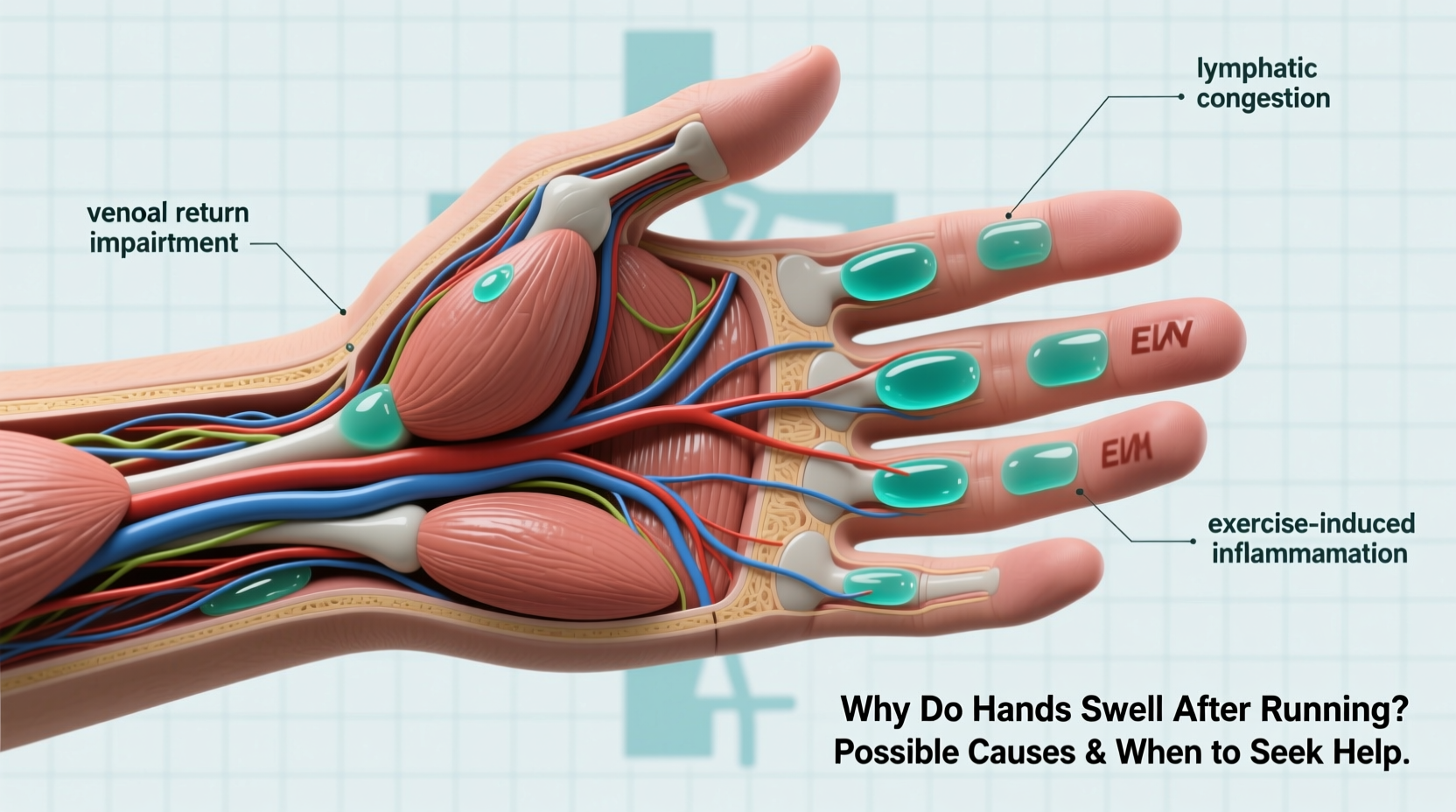
During aerobic exercise like running, your body redirects blood flow to meet the demands of working muscles, primarily in the legs, heart, and lungs. This redistribution is orchestrated by the autonomic nervous system and involves vasoconstriction in less active areas — including the extremities like fingers and toes — while vasodilation supports oxygen delivery to core muscle groups.
In parallel, metabolic heat production increases significantly during running. To dissipate excess heat, blood vessels near the skin's surface dilate, particularly in the arms and hands. This thermal regulation mechanism can lead to increased capillary pressure and minor fluid leakage into surrounding tissues — a process known as exercise-induced peripheral edema. The combination of altered circulation and thermoregulation creates ideal conditions for temporary hand swelling.
“Swelling in the hands during or after running is typically benign and results from normal physiological adaptations. However, asymmetry, pain, or prolonged duration should prompt evaluation.” — Dr. Lena Torres, Sports Medicine PhysicianTip: Clench and release your fists periodically during runs to encourage venous return and reduce fluid accumulation.
Common Causes of Hand Swelling After Running
Several interrelated factors contribute to hand swelling in runners. Most are non-pathological and easily managed with small adjustments to training habits. Below are the most frequent contributors:
- Increased Core Temperature: As the body heats up, peripheral vasodilation sends more blood to the skin, especially in poorly insulated areas like hands. This raises hydrostatic pressure in capillaries, promoting interstitial fluid buildup.
- Arm Position and Gravity: Letting arms hang below heart level for extended periods (common during long-distance runs) reduces venous return, allowing fluid to pool in the hands.
- Dehydration and Electrolyte Imbalance: Counterintuitively, dehydration can worsen swelling. When the body senses low fluid volume, it retains sodium and water, increasing extracellular fluid retention.
- Tight Accessories: Wearing snug watches, fitness trackers, or rings may restrict lymphatic drainage and venous return, exacerbating localized edema.
- High Humidity and Heat: Hot environments amplify thermoregulatory demands, intensifying vasodilation and sweat-related fluid shifts.
Less Common but Important Medical Conditions
While most cases are benign, some medical conditions mimic or intensify exercise-related swelling. These include:
- Lymphedema: Impaired lymphatic drainage due to congenital defects, surgery, or infection can cause chronic hand swelling, often unilateral.
- Thoracic Outlet Syndrome (TOS): Compression of nerves or blood vessels between the collarbone and first rib may impair circulation and sensation in the arms and hands, especially during repetitive motion.
- Carpal Tunnel Syndrome: Though primarily associated with numbness and tingling, inflammation in the wrist can contribute to perceived puffiness.
- Cardiac or Renal Issues: Systemic edema from heart failure or kidney dysfunction may present subtly in the hands before becoming generalized.
- Allergic Reactions: Rarely, exercise-induced anaphylaxis or histamine release can trigger angioedema affecting the hands.
When to See a Doctor: Red Flags to Watch For
Most runners experience transient hand swelling without complications. However, certain warning signs suggest the need for professional assessment:
| Symptom | Benign Indicator | Potential Concern |
|---|---|---|
| Duration | Resolves within 30–60 minutes post-run | Persists beyond several hours or recurs daily |
| Pain or Tenderness | Mild tightness only | Sharp pain, warmth, or red streaks |
| Asymmetry | Even swelling in both hands | One hand significantly more swollen |
| Skin Changes | No discoloration | Bluish tint, rash, or dimpling |
| Associated Symptoms | None | Chest pain, shortness of breath, dizziness |
If you experience any concerning symptoms — particularly chest discomfort or difficulty breathing — seek immediate medical attention. These could indicate cardiovascular strain or pulmonary complications exacerbated by exertion.
Prevention and Management Strategies
For most runners, hand swelling can be minimized through simple behavioral and environmental adjustments. The following evidence-based strategies promote better circulation and reduce fluid pooling:
- Elevate Hands Periodically: During long runs, raise your hands above heart level briefly — such as stretching arms overhead — to assist venous return.
- Avoid Constrictive Gear: Remove rings before running and ensure smartwatches or GPS bands fit loosely enough to slide slightly on the wrist.
- Stay Hydrated with Balanced Electrolytes: Drink water consistently throughout the day and consider electrolyte supplements during prolonged runs (>90 minutes), especially in hot climates.
- Use Dynamic Arm Movements: Incorporate periodic fist clenching, finger spreading, and arm circles to activate muscle pumps in the forearms.
- Dress Appropriately for Climate: In warm weather, wear lightweight, breathable sleeves if needed to regulate skin temperature without overheating.
- Warm Up and Cool Down Properly: Gradual transitions help the vascular system adapt smoothly, reducing abrupt shifts in blood distribution.
Mini Case Study: Recurrent Swelling in a Marathon Trainer
Sarah, a 34-year-old recreational runner training for her first marathon, began noticing consistent swelling in her right hand after every long run. Initially dismissing it as normal, she became concerned when the swelling persisted for hours and was accompanied by a dull ache radiating from her shoulder.
After consulting a sports medicine specialist, Sarah underwent imaging that revealed mild neurogenic thoracic outlet syndrome — compression of the brachial plexus aggravated by her forward-leaning posture during long runs. Physical therapy focusing on scapular stabilization, posture correction, and nerve gliding exercises resolved her symptoms within eight weeks. Her case highlights how seemingly routine symptoms can mask biomechanical imbalances requiring targeted intervention.
Step-by-Step Guide to Assessing and Responding to Hand Swelling
Follow this timeline to evaluate whether your hand swelling warrants further action:
- Immediately Post-Run (0–10 min): Note the degree of swelling, symmetry, color, and presence of pain. Gently press on the knuckles — if indentation remains (pitting edema), document it.
- 30 Minutes Later: Reassess. Normal swelling should visibly decrease. Perform gentle hand and wrist mobility exercises.
- Next Day: Reflect on hydration, gear used, weather conditions, and arm positioning during the run. Keep a log over multiple sessions to identify patterns.
- After Three Similar Episodes: If swelling is consistent and unexplained by obvious factors, schedule a visit with a primary care physician or sports medicine specialist.
- Medical Evaluation: Be prepared to discuss symptom onset, duration, associated sensations, and family history of circulatory or autoimmune disorders.
Frequently Asked Questions
Is hand swelling after running dangerous?
Not usually. Mild, symmetrical swelling that resolves quickly is a normal physiological response. However, persistent, painful, or one-sided swelling should be evaluated by a healthcare provider to rule out vascular or neurological conditions.
Can dehydration cause my hands to swell?
Yes, paradoxically. Dehydration triggers hormonal responses (like increased aldosterone) that promote sodium and water retention. Combined with exercise-induced fluid shifts, this can contribute to edema in extremities despite low overall fluid intake.
Should I stop running if my hands swell?
No, not necessarily. If swelling is mild and resolves quickly, you can continue running while implementing preventive measures. However, if swelling interferes with grip, coordination, or comfort, pause and reassess your technique, hydration, and equipment.
Final Thoughts and Action Steps
Hand swelling after running is a common, often overlooked phenomenon rooted in the body’s intricate balance of circulation, temperature control, and fluid dynamics. For the vast majority of runners, it’s a temporary and manageable condition that improves with awareness and small habit changes. But ignoring persistent or worsening symptoms risks overlooking underlying issues that could affect broader health and athletic longevity.
Start today by auditing your running routine: Are you hydrating properly? Is your watch too tight? Do you let your arms hang passively for miles at a time? Small tweaks can yield significant improvements in comfort and performance.
“The body speaks through symptoms. Listening early prevents bigger problems later.” — Dr. Marcus Reed, Exercise Physiologist💬 Have you experienced hand swelling during or after runs? Share your story or tips in the comments — your insight could help another runner find relief.









