
The sharp, pungent scent of mothballs is unmistakable—lingering in closets, basements, and attics long after they’ve served their purpose. For many, the smell evokes memories of musty winter coats or forgotten storage boxes. But beyond nostalgia, that overpowering odor raises a simple yet pressing question: why do mothballs smell so bad? The answer lies in chemistry, biology, and the very mechanism that makes them effective pest deterrents. Understanding this odor not only explains its intensity but also reveals important safety considerations for household use.
The Chemistry Behind the Stench
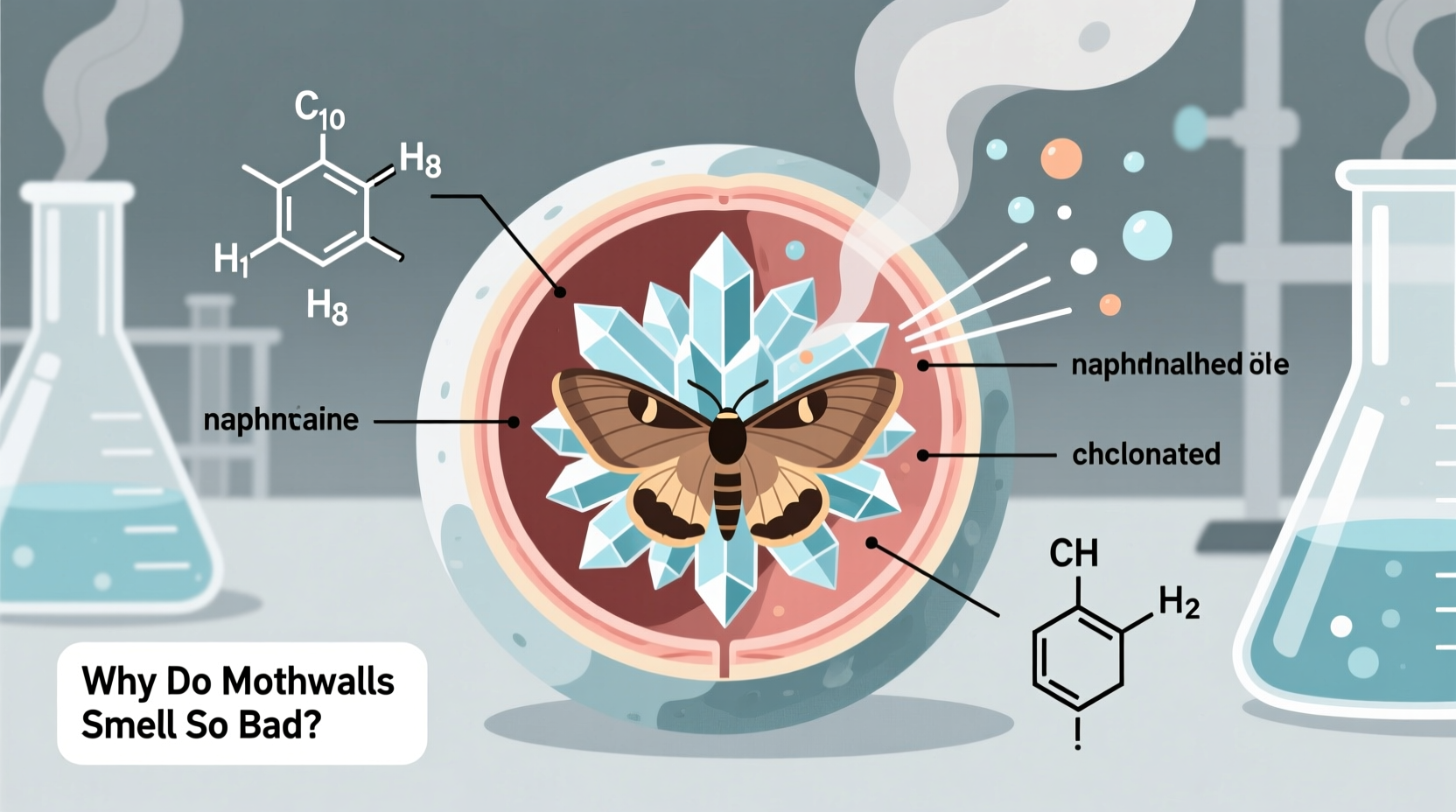
Mothballs rely on volatile organic compounds (VOCs) that sublimate—transition directly from solid to gas—at room temperature. This process slowly releases fumes into enclosed spaces, creating an environment toxic to moths and their larvae. The two primary chemicals used are naphthalene and paradichlorobenzene (PDB), both of which produce strong odors as they vaporize.
Naphthalene, historically the most common ingredient, has a distinct, acrid smell often described as similar to tar or creosote. It’s derived from coal tar or petroleum and has been used since the early 20th century. PDB, introduced later as a slightly less flammable alternative, emits a sharper, more chemical-like odor, sometimes compared to bleach or disinfectants.
The reason these smells are so potent is due to their low odor threshold—the minimum concentration at which humans can detect them. Naphthalene can be smelled at concentrations as low as 0.08 parts per million (ppm), while PDB registers around 0.14 ppm. This means even trace amounts released into the air are immediately noticeable, making the scent pervasive and difficult to ignore.
Tip: Never use mothballs in open living areas or near food—they are pesticides and should only be used in tightly sealed containers or closed spaces.How Smell Relates to Function
The foul odor isn’t incidental; it’s central to the product’s function. Moths and their larvae avoid areas saturated with these vapors because the chemicals disrupt their metabolic processes. In high enough concentrations, naphthalene and PDB can kill moth eggs and larvae by interfering with oxygen transport in their cells—a mechanism similar to how some insecticides work.
Humans perceive the smell as unpleasant precisely because our bodies recognize it as potentially harmful. Olfactory sensitivity to such compounds evolved as a protective mechanism. Strong, irritating odors often signal danger—like spoiled food or toxic gases—and prompt avoidance behavior. In the case of mothballs, the nose acts as an early warning system.
“Mothball odor is a red flag from your body telling you that you're being exposed to a chemical that doesn't belong in your breathing space.” — Dr. Lena Pruitt, Environmental Health Toxicologist
Health Implications of Prolonged Exposure
While occasional exposure to mothball fumes may cause little more than discomfort, chronic inhalation poses real health risks. Naphthalene is classified as a possible human carcinogen by the International Agency for Research on Cancer (IARC). Long-term exposure has been linked to hemolytic anemia, particularly in individuals with glucose-6-phosphate dehydrogenase (G6PD) deficiency, where red blood cells break down prematurely.
Symptoms of overexposure include headaches, nausea, dizziness, and eye or throat irritation. Children and pets are especially vulnerable due to their smaller body mass and higher respiratory rates. There have been documented cases of poisoning when mothballs were mistaken for candy or stored improperly within reach.
PDB, though considered less acutely toxic than naphthalene, still carries risks. Chronic exposure may affect the liver and kidneys, and both chemicals can accumulate in fatty tissues over time, leading to prolonged internal exposure even after removal of the source.
Do’s and Don’ts of Mothball Use
| Action | Recommendation |
|---|---|
| Use in open rooms | ❌ Don’t – off-gassing can contaminate indoor air |
| Store clothes in sealed plastic bins | ✅ Do – limits vapor spread |
| Place near children or pets | ❌ Don’t – risk of ingestion |
| Ventilate area after use | ✅ Do – air out fabrics before wearing |
| Mix different types | ❌ Don’t – increases chemical exposure risk |
Real-Life Scenario: A Case of Unexplained Headaches
In suburban Ohio, a family began experiencing recurring headaches and fatigue during winter months. Initial suspicion fell on mold or carbon monoxide, but inspections came back clear. The breakthrough came when a visiting relative noticed a faint, chemical-like smell in the master bedroom closet. Inside, several mothballs had been placed among stored wool sweaters years earlier and forgotten.
Air quality testing revealed elevated levels of naphthalene in the bedroom, especially at night when the door was closed. After removing the mothballs and thoroughly airing out the clothing and space, symptoms resolved within days. This case illustrates how easily unnoticed mothball use can lead to chronic low-level exposure—and how the smell, however subtle, should never be ignored.
Alternatives to Traditional Mothballs
Given the health and environmental concerns, many consumers are turning to safer, less odorous alternatives. These options provide protection without the harsh chemical fumes:
- Cedar products: Cedar chips or blocks naturally repel moths with their aroma, which humans find pleasant but insects avoid.
- Lavender sachets: Dried lavender not only smells fresh but has been shown to deter moths when placed in drawers or garment bags.
- Freezing infested items: Placing woolens in the freezer for 48–72 hours kills moth eggs and larvae without chemicals.
- Airtight storage: Vacuum-sealed bags prevent moth access entirely, eliminating the need for repellents.
- Diatomaceous earth: A non-toxic powder that damages insect exoskeletons; safe for use around fabrics when applied carefully.
Step-by-Step Guide to Eliminating Mothball Odor
- Remove the source: Locate and discard all mothballs in trash outside the home.
- Ventilate the area: Open windows and use fans to circulate fresh air for at least 24–48 hours.
- Wash affected fabrics: Launder washable items with baking soda or vinegar to neutralize odor.
- Air out dry-clean-only garments: Hang them outdoors (in shade) for several hours.
- Clean storage spaces: Wipe down shelves and vacuum crevices; consider using activated charcoal bags to absorb lingering fumes.
- Monitor air quality: If odor persists, use an air purifier with a carbon filter to capture residual VOCs.
Frequently Asked Questions
Are scented mothballs safer than regular ones?
No. Scented versions still contain naphthalene or paradichlorobenzene. The added fragrance masks the original odor but does not reduce toxicity. They pose the same health risks and should be used with equal caution.
Can I get rid of moths without using chemicals?
Yes. Combining thorough cleaning, proper storage, and natural repellents like cedar or lavender can effectively prevent infestations without relying on chemical fumigants.
Why does the smell linger for weeks even after removing mothballs?
The chemicals bind to porous materials like fabric, wood, and insulation. They continue to off-gas slowly over time. Complete elimination requires ventilation, cleaning, and sometimes replacement of heavily contaminated items.
Final Thoughts: Respecting the Signal Your Nose Sends
The strong smell of mothballs isn’t just annoying—it’s a physiological alert. Our aversion to the odor is nature’s way of steering us away from potentially harmful substances. While these products can protect valuable textiles, their use demands responsibility: proper containment, awareness of exposure risks, and consideration of safer alternatives.
If you’ve relied on mothballs in the past, now is the time to reassess. Replace them with non-toxic solutions, clean any lingering residues, and ensure your storage methods prioritize both fabric preservation and personal health. The goal isn’t just to eliminate moths—but to do so without compromising the air you breathe.
🚀 Ready to refresh your wardrobe storage? Start today by swapping out mothballs for natural repellents and share your experience in the comments below.








