
If you’ve noticed a persistent chemical odor resembling mothballs clinging to your skin, clothes, or even breath, it’s more than just an unpleasant quirk—it could signal underlying health, environmental, or hygiene issues. Mothballs have a sharp, pungent smell due to their active ingredient, naphthalene or paradichlorobenzene, both of which are toxic volatile organic compounds. When humans emit such odors without direct contact with mothballs, it raises important questions about exposure, metabolism, or contamination. This article explores the real reasons behind this phenomenon and offers science-backed solutions to resolve it safely.
Understanding the Mothball Smell
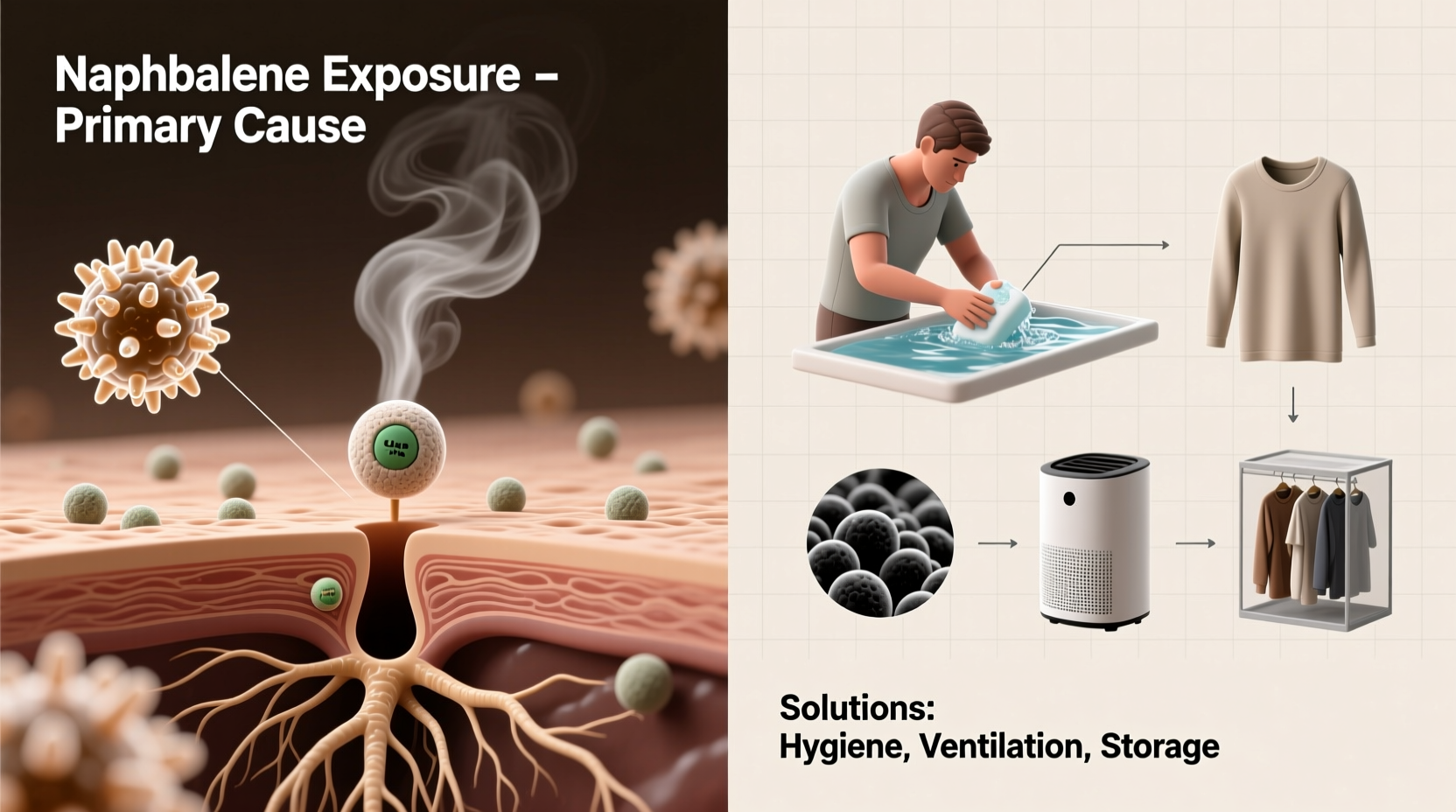
The unmistakable scent of mothballs is often described as musty, chemical, or similar to old basements or camphor. It’s not a natural human body odor, so when someone carries this smell, it typically indicates external contamination or internal metabolic processes producing similar volatile compounds.
Mothballs are designed to sublimate—transition from solid to gas—slowly releasing fumes that repel moths and other insects. The primary chemicals used are:
- Naphthalene: A white crystalline compound classified as a possible human carcinogen by the International Agency for Research on Cancer (IARC).
- Paradichlorobenzene (PDB): Less toxic than naphthalene but still hazardous in high concentrations.
Both substances can accumulate in fatty tissues and are excreted through sweat, breath, and urine, which explains how exposure can lead to body odor.
Tip: If you detect a mothball-like smell in your home or wardrobe, check stored clothing, attics, or basements—mothballs may be present even if you didn’t place them there.Common Causes of Mothball-Like Body Odor
1. Environmental Exposure
The most straightforward explanation is recent or prolonged exposure to mothballs. Many people use them to deter pests in closets, storage trunks, or seasonal clothing. If garments are stored with mothballs and not properly aired out, the chemicals absorb into fabric fibers and transfer to skin upon wearing.
This is especially common in older homes or among those who inherited stored belongings. Children and pets are particularly vulnerable due to closer contact with floors and fabrics.
2. Contaminated Clothing or Textiles
Clothing purchased secondhand—especially vintage items—may have been stored with mothballs. Dry cleaning doesn’t always remove all residues, and heat from washing can temporarily trap gases in synthetic fibers.
Wool, fur, and down-filled items are frequent offenders, as they’re commonly protected with moth repellents during long-term storage.
3. Occupational or Hobby-Related Exposure
Individuals working in pest control, antique restoration, or textile conservation may encounter naphthalene-containing products regularly. Without proper ventilation or protective gear, these chemicals can linger on skin and clothing long after work hours.
4. Metabolic Disorders (Rare but Serious)
In rare cases, a persistent chemical body odor resembling mothballs may stem from metabolic conditions. For example:
- Trimethylaminuria (Fish Odor Syndrome): While typically associated with a fishy smell, some variants produce unusual chemical odors due to improper breakdown of nitrogen-containing compounds.
- Liver or kidney dysfunction: Impaired organ function can lead to the buildup of toxins normally excreted through urine or sweat, sometimes resulting in unusual odors.
“Unexplained chemical-like body odor should never be dismissed. It can be a subtle sign of toxin accumulation or metabolic imbalance.” — Dr. Lena Torres, Environmental Medicine Specialist
Solutions to Eliminate the Mothball Smell
Step-by-Step Guide to Decontamination
- Remove contaminated clothing immediately. Place them in sealed plastic bags until ready for treatment.
- Air out garments outdoors. Hang clothes outside for 24–48 hours in dry, breezy conditions. UV light helps break down chemical residues.
- Wash with activated charcoal or baking soda. Add one cup of baking soda or half a cup of activated charcoal to a cold water wash cycle. Avoid hot water initially, as it can set odors.
- Use vinegar as a natural deodorizer. Add one cup of white vinegar to the rinse cycle to neutralize lingering chemicals.
- Repeat if necessary. Some heavily contaminated items may require multiple treatments.
- Dry in sunlight. Natural sunlight has deodorizing and disinfecting properties that help dissipate chemical smells.
For Skin and Personal Care
If your skin carries the odor:
- Shower with a gentle, fragrance-free soap and scrub thoroughly, especially underarms, hairline, and feet.
- Use a loofah or exfoliating mitt to remove dead skin cells that may trap chemicals.
- Apply witch hazel or diluted apple cider vinegar as a post-shower toner to neutralize residual odors.
- Stay hydrated to support natural detoxification through sweat and urine.
Prevention Checklist
To avoid future exposure and recurrence, follow this actionable checklist:
- ✅ Replace mothballs with natural alternatives like cedar blocks, lavender sachets, or airtight garment bags.
- ✅ Inspect secondhand clothing thoroughly before wearing—air out for several days.
- ✅ Store off-season clothes in vacuum-sealed bags instead of using chemical repellents.
- ✅ Ventilate storage areas regularly to prevent vapor buildup.
- ✅ Wash hands and change clothes after handling suspect items.
- ✅ Monitor children and pets for signs of exposure (nausea, dizziness, pallor).
Do’s and Don’ts: Handling Mothball Contamination
| Do | Don’t |
|---|---|
| Wash contaminated clothes separately | Mix them with regular laundry |
| Air items outside before storing | Store directly in enclosed spaces |
| Use natural odor absorbers (baking soda, charcoal) | Rely solely on air fresheners or perfumes |
| Check expiration dates on mothball products | Use outdated or unlabeled chemical packets |
| Consult a doctor if odor persists despite decontamination | Ignore unexplained body odors lasting over a week |
Real-Life Example: A Case of Unexplained Odor
Sarah, a 34-year-old teacher from Vermont, began noticing that her coworkers would subtly move away during meetings. She couldn’t understand why—until a close friend gently mentioned she smelled like “old grandma’s closet.” Confused, Sarah reviewed her routine: new detergent, unscented soap, no changes in diet.
Then she remembered—a box of her late grandmother’s wool sweaters had recently arrived from storage. She’d worn one without washing it first. After airing out the entire collection and laundering each item twice with vinegar, the odor vanished. Testing confirmed trace naphthalene residue on the fabric. Her case highlights how easily indirect exposure can occur—and how simple interventions can resolve it.
Frequently Asked Questions
Can breathing in mothball fumes make me smell like them?
Yes. Inhaling naphthalene vapors allows the chemical to circulate in your bloodstream and be excreted through sweat and breath, causing you to emit the odor even after leaving the contaminated area.
Is smelling like mothballs dangerous?
Prolonged exposure can be harmful. Symptoms include headaches, nausea, dizziness, and in severe cases, hemolytic anemia—especially in individuals with G6PD deficiency. Chronic inhalation may increase cancer risk. Immediate removal from the source is critical.
Can liver problems cause a mothball-like smell?
While rare, advanced liver disease can alter body chemistry and lead to unusual odors. A condition known as “fetor hepaticus” produces a sweet, musty smell, but certain metabolic imbalances may mimic chemical odors. Always consult a physician if the cause is unclear.
Final Thoughts and Action Steps
Smelling like mothballs is not normal—and it shouldn’t be ignored. Whether due to environmental exposure, contaminated textiles, or a rare medical issue, identifying the root cause is essential for your health and comfort. Start by eliminating potential sources in your home, thoroughly cleaning affected items, and improving ventilation. If the odor persists despite these efforts, seek medical evaluation to rule out metabolic or organ-related conditions.
Replacing toxic moth repellents with safer alternatives isn’t just better for your wardrobe—it’s better for your body and household. Small changes in storage habits can prevent long-term exposure and protect your well-being.
💬 Have you experienced unexplained chemical-like odors? Share your story or tips in the comments—your insight could help someone identify and solve a hidden hazard.








