
Seeing your goldfish floating at the surface, belly-up or struggling to maintain balance, is alarming. This unusual behavior is often a sign of swim bladder disorder—a common but treatable condition in pet goldfish. While not always fatal, it can severely impact a fish’s quality of life if left unaddressed. Understanding the anatomy, causes, and effective interventions is essential for any responsible goldfish keeper. This guide breaks down everything you need to know about swim bladder disorder, from diagnosis to recovery, so you can help your fish regain normal swimming behavior.
What Is the Swim Bladder and How Does It Work?
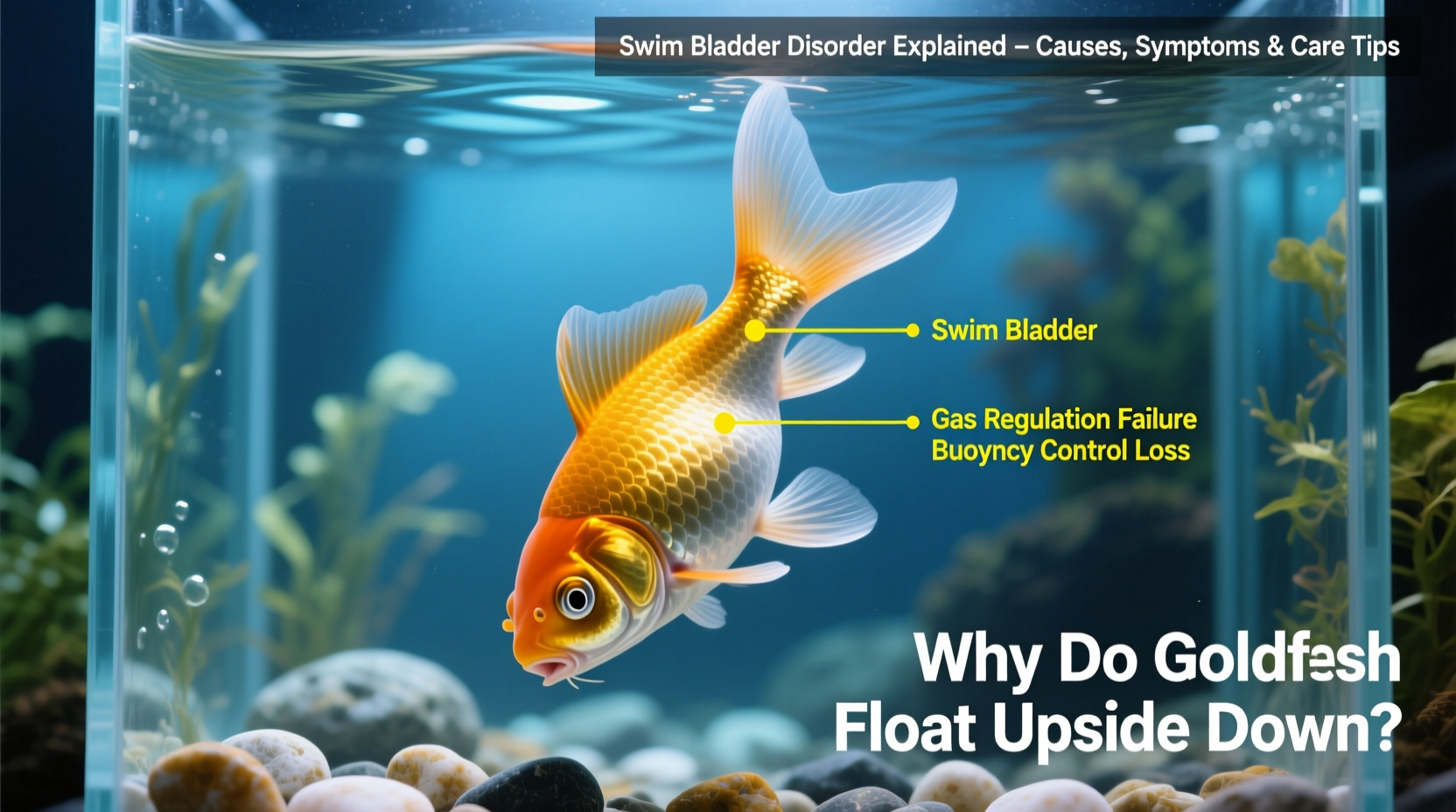
The swim bladder is an internal gas-filled organ that helps bony fish like goldfish maintain buoyancy and stability in water. By adjusting the amount of gas inside this sac-like structure, fish can rise, sink, or hover effortlessly at different depths without constant swimming. Think of it as an internal life jacket that automatically inflates or deflates based on the fish’s needs.
In goldfish, the swim bladder is divided into two chambers connected to the digestive tract in some species. When functioning properly, it allows smooth, horizontal swimming. But when compromised—due to physical compression, infection, or developmental issues—the fish may struggle to stay upright, leading to erratic movements, sinking to the bottom, or floating uncontrollably at the surface, sometimes upside down.
“Swim bladder dysfunction is one of the most frequently observed health issues in fancy goldfish varieties due to their body shape.” — Dr. Alicia Nguyen, Aquatic Veterinarian
Common Causes of Swim Bladder Disorder
Swim bladder problems are rarely caused by a single factor. Instead, they result from a combination of anatomical predisposition, diet, environment, and underlying illness. Below are the primary contributors:
- Dietary Issues: Dry flake or pellet food absorbs water in the digestive tract and expands, causing bloating that compresses the swim bladder.
- Constipation: A sluggish digestive system leads to intestinal blockages, especially in slow-moving fancy breeds like Orandas or Ranchus.
- Poor Water Quality: High ammonia or nitrite levels stress the fish, weakening its immune system and increasing susceptibility to infections.
- Anatomical Conformation: Fancy goldfish have been selectively bred for round bodies, which naturally crowd internal organs, including the swim bladder.
- Infections: Bacterial or parasitic infections can inflame the swim bladder directly (true swim bladder disease) or affect nearby organs.
- Sudden Temperature Changes: Rapid shifts in water temperature disrupt digestion and organ function.
Recognizing the Symptoms
Early detection improves outcomes significantly. Watch for these signs of swim bladder disorder:
- Floating at the surface, often upside down or on its side
- Sinking to the bottom and difficulty rising
- Lopsided swimming (tilting to one side)
- Balloon-like abdominal swelling
- Lack of appetite or reduced activity
- Erratic darting or spiraling motions
It's important to distinguish swim bladder disorder from other conditions. For example, fungal infections may cause clamped fins and white growths, while ich presents as white spots. If your fish shows no external signs of disease but struggles with buoyancy, swim bladder involvement is likely.
Step-by-Step Treatment Plan
Treating swim bladder disorder requires patience and consistency. Most cases improve within 3–7 days with proper care. Follow this sequence:
- Fast the Fish: Stop feeding for 2–3 days to allow the digestive tract to clear. This relieves pressure on the swim bladder.
- Raise Water Temperature: Gradually increase the tank temperature to 75–78°F (24–26°C) to boost metabolism and aid digestion.
- Feed Cooked Peas: After fasting, offer one shelled, de-skinned cooked pea per day for 2–3 days. Peas act as a natural laxative.
- Improve Water Conditions: Perform a 30% water change and test parameters. Ensure ammonia and nitrites are at 0 ppm, and nitrates below 40 ppm.
- Switch to Sinking Foods: Replace floating pellets with high-quality sinking granules to prevent air ingestion.
- Monitor Progress: Observe swimming behavior daily. If no improvement in 5 days, consider bacterial infection and consult a vet.
“Peas aren’t a cure-all, but their fiber content can resolve constipation-related buoyancy issues in over 60% of mild cases.” — Marine & Freshwater Research Journal, 2021
Prevention: Long-Term Care Strategies
Preventing recurrence is more effective than treating flare-ups. Goldfish, especially fancy types, need specialized care to thrive. Consider these preventive measures:
| Care Area | Do’s | Don’ts |
|---|---|---|
| Diet | Feed soaked pellets, blanched peas, and occasional brine shrimp | Avoid overfeeding or exclusively dry foods |
| Feeding Schedule | Feed small amounts 1–2 times daily; fast one day per week | Never feed more than the fish can consume in 2 minutes |
| Tank Setup | Use a filter, heater (if needed), and regular water testing | Don’t keep goldfish in bowls or unfiltered tanks |
| Water Quality | Perform weekly 25–30% water changes | Don’t ignore cloudy water or algae buildup |
| Environment | Maintain stable temperature and pH (6.5–7.5) | Don’t place the tank near windows or heat sources |
Mini Case Study: Bella the Oranda
Bella, a 2-year-old Oranda goldfish, began floating sideways after her owner switched to a new brand of floating pellets. She stopped eating and spent most of her time stuck at the surface. The owner fasted her for 48 hours, then fed a quarter of a cooked pea. Within 24 hours, Bella passed waste and began swimming normally. The owner switched to sinking pellets and now soaks all food before feeding. Bella has not had a recurrence in 8 months.
This case highlights how simple dietary adjustments can reverse swim bladder issues when caught early. It also underscores the importance of observing fish behavior closely after any change in routine.
When to Suspect a More Serious Condition
While most swim bladder issues are temporary and diet-related, some cases point to irreversible damage or systemic illness. Seek professional advice if you notice:
- No improvement after 7 days of conservative treatment
- External swelling, redness, or bulging eyes (possible dropsy)
- Clamped fins, rapid gilling, or lethargy beyond buoyancy issues
- Physical trauma or spinal deformities
In rare cases, chronic swim bladder dysfunction may be congenital or due to organ failure. Some fish adapt to permanent floating by using their fins to “walk” along the substrate. Euthanasia should be considered only if the fish shows prolonged distress and no quality of life.
Tip: Add Indian almond leaves to the tank—tannins released can reduce inflammation and support healing during recovery.FAQ: Common Questions About Swim Bladder Disorder
Can swim bladder disorder be contagious?
No, swim bladder disorder itself is not contagious. However, if caused by a bacterial infection, the pathogen could spread to other fish, especially in poor water conditions. Always quarantine sick fish if infection is suspected.
Is it safe to feed peas every day?
No. While peas help relieve constipation, they lack complete nutrition for long-term feeding. Use them as a short-term remedy, not a staple. Overuse can lead to nutrient deficiencies.
Can cold water cause swim bladder problems?
Yes. Goldfish are coldwater fish, but temperatures below 60°F (15°C) slow their metabolism dramatically, impairing digestion and increasing the risk of impaction. Maintain temperatures between 65–74°F for optimal health.
Final Thoughts: Compassionate Care Makes All the Difference
Goldfish live longer and healthier lives when their unique physiological needs are respected. Swim bladder disorder is not just a quirky oddity—it’s a warning sign that something in the fish’s environment or care routine needs adjustment. With attentive observation, proper feeding, and clean water, most cases can be resolved at home. The key is acting early and avoiding quick fixes that ignore root causes.
Every goldfish deserves a stable, well-maintained habitat where it can swim freely and comfortably. Whether you’re a beginner or experienced hobbyist, refining your care practices today can prevent suffering tomorrow. These intelligent, expressive animals form bonds with their owners and respond positively to consistent, thoughtful care.
💬 Have you helped a goldfish recover from swim bladder disorder? Share your story in the comments—your experience could inspire and guide another fish keeper facing the same challenge.








