
Fish swimming in circles can appear mesmerizing or even amusing at first glance. In some cases, the behavior is completely normal—driven by instinct, environment, or social dynamics. However, persistent circling can also be an early red flag signaling stress, disease, or poor water conditions. For aquarium enthusiasts and pond keepers alike, understanding the difference between benign patterns and dangerous symptoms is essential to maintaining a healthy aquatic ecosystem.
This article explores the science behind circular swimming in fish, identifies key triggers—both natural and pathological—and provides actionable guidance on diagnosing and resolving potential health concerns before they escalate.
Natural Reasons Fish Swim in Circles
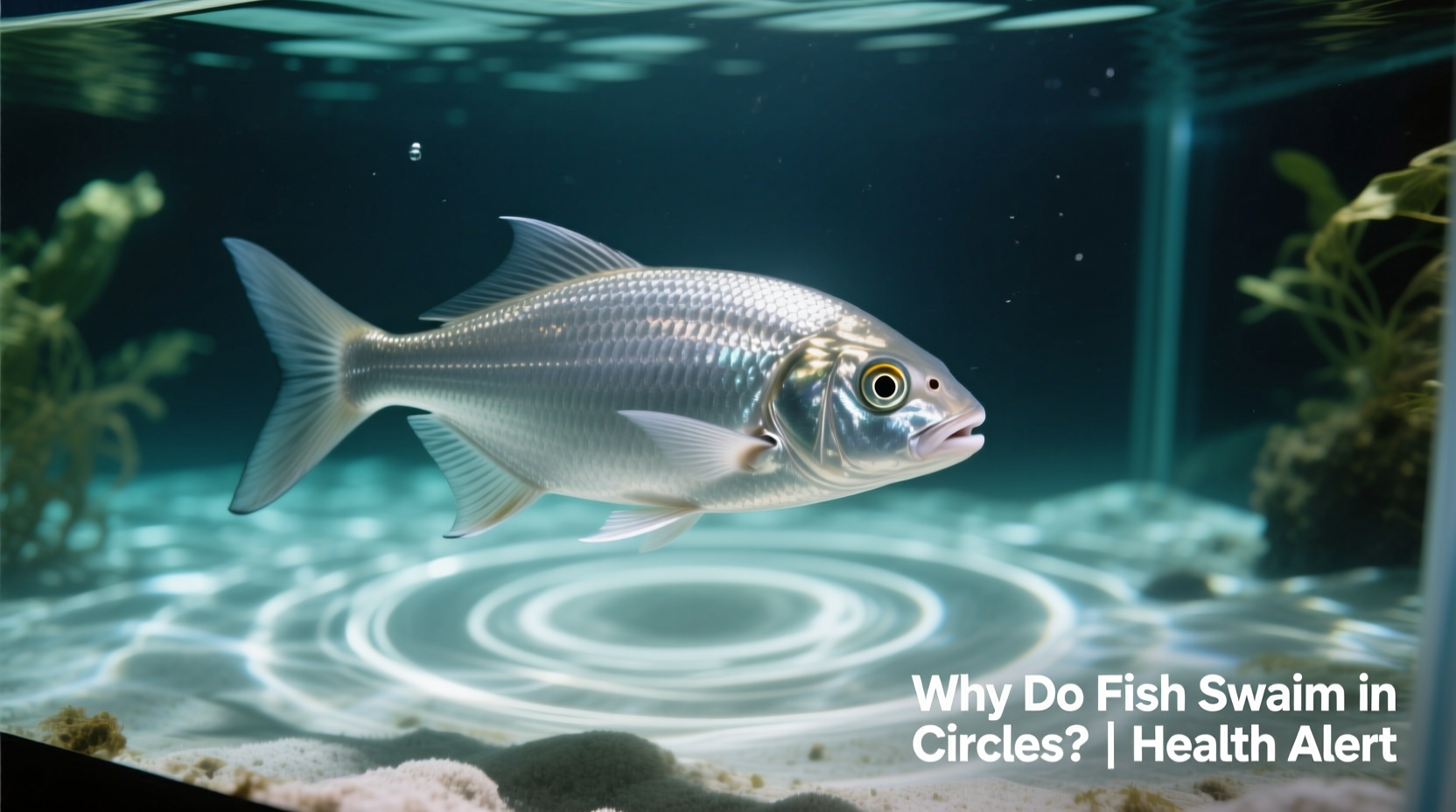
Not all circular movement in fish indicates illness. Many species exhibit looping or repetitive swimming as part of their natural behavior. This can stem from environmental cues, feeding strategies, or schooling instincts.
- Schooling coordination: Species like tetras or barbs often move in synchronized loops to maintain group cohesion and avoid predators.
- Current following: In tanks with strong filtration systems, fish may ride water currents in circular paths without distress.
- Exploratory behavior: Some fish patrol the perimeter of their tank as a way of mapping territory or responding to visual stimuli on the glass.
- Feeding anticipation: When conditioned to feeding times, fish may swim in predictable routes where they expect food to drop.
In these instances, the fish remain alert, display normal coloration, and interact appropriately with tank mates. The motion is smooth, not erratic, and doesn’t interfere with eating or resting.
Tip: Observe your fish at different times of day to distinguish routine behavior from abnormal patterns.When Circling Signals a Health Problem
Persistent, uncontrolled circling—especially if accompanied by other symptoms—is often a neurological or physiological warning sign. Known as \"circular swimming disorder\" or \"whirling,\" this behavior suggests underlying issues that require prompt attention.
The most common medical causes include:
- Ammonia or nitrite poisoning: High levels of these toxins damage gill tissue and affect oxygen delivery to the brain, leading to disorientation.
- Parasitic infections: Certain parasites, such as Ichthyophthirius multifiliis (ich) or internal worms, can invade the central nervous system.
- Bacterial encephalitis: Infections like Aeromonas or Pseudomonas can cause brain inflammation, resulting in loss of balance and directional control.
- Physical trauma: Injury from aggressive tank mates or collisions with décor can impair motor function.
- Poor water quality: Sudden pH swings, low oxygen, or chlorine exposure disrupt sensory organs and nerve signaling.
Unlike natural looping, pathological circling is typically rapid, repetitive, and lacks purpose. Affected fish may tilt sideways, dart unpredictably, or struggle to maintain upright posture.
Expert Insight: Neurological Stress in Aquatic Species
“Persistent circular swimming in fish is akin to vertigo in humans—it reflects a disruption in equilibrium, often rooted in water chemistry or infection.” — Dr. Lena Torres, Aquatic Veterinarian and Research Fellow, National Institute of Aquatic Health
Step-by-Step Guide to Diagnosing Abnormal Swimming Behavior
If you notice a fish swimming in tight, continuous circles, follow this diagnostic process to determine the root cause and take corrective action.
- Observe closely for 5–10 minutes: Note whether the fish swims smoothly or erratically. Look for twitching, floating upside down, or scraping against surfaces.
- Check for additional symptoms: Cloudy eyes, frayed fins, gasping at the surface, or white spots could point to parasites or bacterial infection.
- Test water parameters immediately: Use a liquid test kit to measure ammonia, nitrite, nitrate, pH, and dissolved oxygen. Ideal ranges:
- Ammonia: 0 ppm
- Nitrite: 0 ppm
- Nitrate: Below 40 ppm
- pH: 6.5–7.8 (species-dependent)
- Oxygen: Above 5 mg/L
- Inspect tank setup: Ensure filters are functioning properly, aeration is adequate, and there are no sharp objects causing injury.
- Isolate affected fish if necessary: Move the fish to a quarantine tank to prevent disease spread and allow focused treatment.
- Document changes: Keep a log of behavior, water tests, and interventions to track progress or adjust care.
Common Causes and Solutions Table
| Cause | Symptoms | Solution |
|---|---|---|
| High ammonia/nitrite | Circling, lethargy, red gills, gasping | Immediate water change, add beneficial bacteria supplement |
| Parasite infestation | Scratching, white spots, clamped fins | Treat with anti-parasitic medication (e.g., formalin or malachite green) |
| Bacterial infection | Swollen body, bulging eyes, erratic movement | Use antibiotics under veterinary guidance |
| Poor oxygen levels | Surface gasping, slow movement, clustering near filter output | Add air stone, increase surface agitation |
| Neurological damage | Uncontrollable spinning, inability to feed | Supportive care; isolate and monitor; consult aquatic vet |
Mini Case Study: Goldfish With Sudden Spinning Behavior
A hobbyist in Portland noticed one of her two goldfish began swimming in tight clockwise circles, frequently bumping into the glass. Initially dismissed as playful behavior, the pattern worsened over three days. The fish stopped eating and developed a slight tilt to its left side.
Water testing revealed 1.2 ppm of ammonia—well above safe levels—despite weekly maintenance. Further investigation showed the filter impeller had stalled due to debris buildup, halting biological filtration.
After a 50% water change, installation of a new filter cartridge, and dosing with a nitrifying bacteria starter, ammonia dropped to zero within 48 hours. Within five days, the goldfish resumed normal swimming and began feeding again. The case highlights how mechanical failures can rapidly degrade water quality and trigger neurological symptoms.
Prevention Checklist for Healthy Swimming Behavior
To minimize the risk of abnormal circling and promote long-term fish health, follow this preventive checklist:
- ✅ Test water weekly using a reliable liquid test kit
- ✅ Maintain consistent temperature (within 2°F of species requirement)
- ✅ Provide adequate aeration and surface movement
- ✅ Avoid overstocking the tank (1 inch of fish per gallon rule applies loosely; consider bioload)
- ✅ Quarantine new fish for at least two weeks before introduction
- ✅ Clean filter media monthly using tank water (never tap water, which kills beneficial bacteria)
- ✅ Feed high-quality, varied diet to support immune function
- ✅ Monitor fish daily for behavioral changes
FAQ: Frequently Asked Questions
Can stress cause fish to swim in circles?
Yes. Environmental stressors such as sudden light changes, loud noises, or aggressive tank mates can trigger temporary disorientation. Chronic stress weakens the immune system, making fish more susceptible to diseases that affect neurological function.
Is circling always a sign of a fatal condition?
No. If caught early and linked to correctable issues like poor water quality, many fish recover fully. However, advanced neurological damage or untreatable infections may lead to euthanasia for humane reasons.
Do certain fish species naturally swim in circles more than others?
Some species are more prone to repetitive motion. For example, bettas may patrol tank edges, and hatchetfish often glide in wide arcs near the surface. The key is consistency and absence of distress signs.
Conclusion: Act Early, Protect Your Aquarium
Fish swimming in circles sit at the intersection of behavior and biology. While occasional looping is part of aquatic life, persistent or erratic motion demands attention. By mastering water chemistry, observing subtle changes, and acting swiftly when anomalies arise, aquarists can prevent minor issues from becoming catastrophic losses.
Your fish rely entirely on you for their environment and well-being. A moment of observation today could save lives tomorrow. Stay vigilant, stay informed, and create a thriving underwater world that’s as healthy as it is beautiful.
💬 Have you noticed unusual swimming patterns in your fish? Share your experience or questions below—we’re here to help build a stronger, more knowledgeable aquarium community.








