As the holiday season approaches, many people turn to festive decor to bring seasonal cheer into their homes. Fake snow sprays—often marketed as instant frost or window frosting—are a popular choice for creating a winter wonderland effect on glass surfaces. They offer a quick, inexpensive way to simulate snow-covered windows without the mess of real snow. However, what starts as a decorative convenience can quickly turn into a costly mistake when these sprays damage window glass, frames, or coatings. Understanding the chemistry behind these products and how they interact with different types of glass is crucial to avoiding irreversible harm.
The Chemistry Behind Fake Snow Sprays
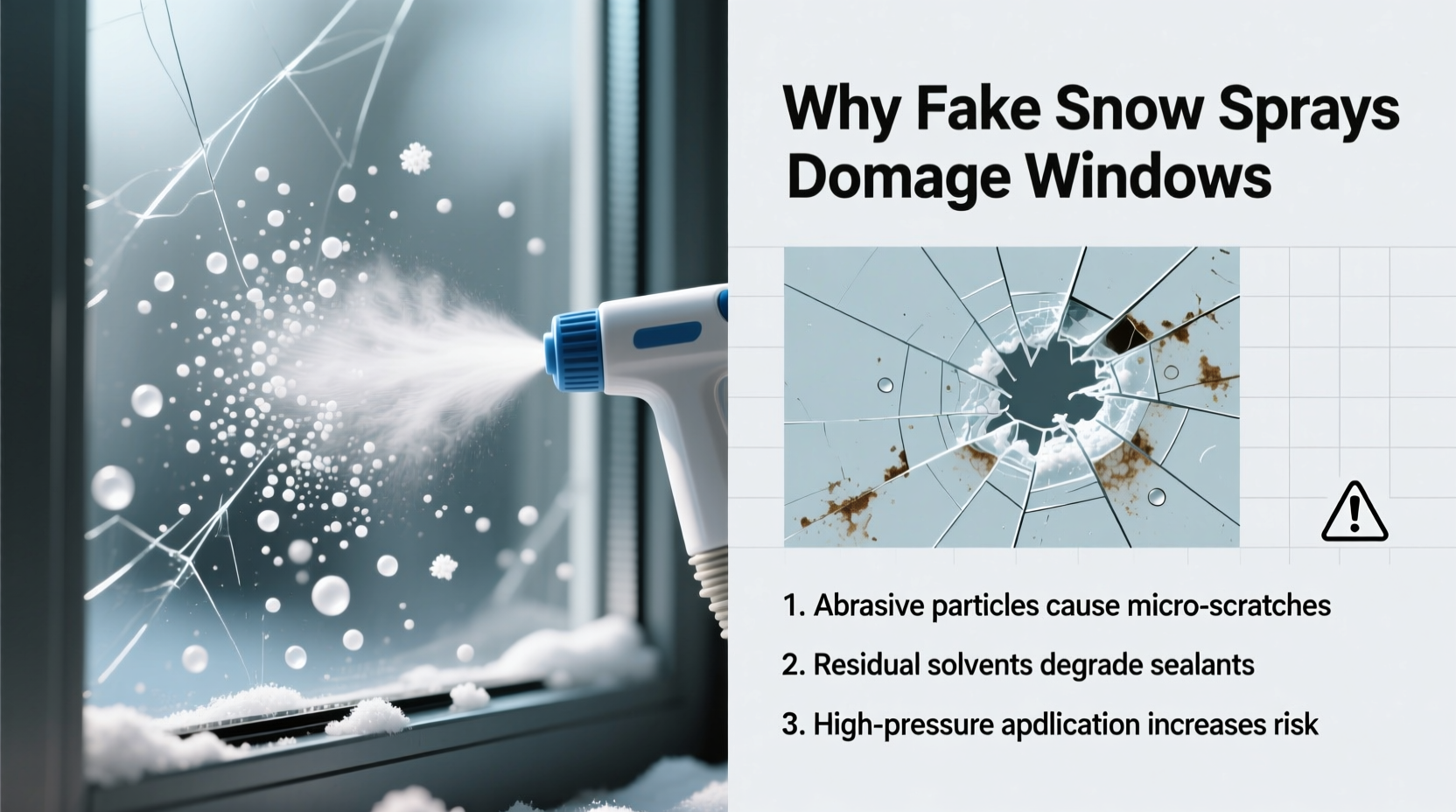
Fake snow sprays typically consist of a mixture of water, alcohol (often isopropyl or ethanol), glycols, surfactants, and polymers that create a temporary opaque, frosted appearance on glass. When sprayed, the solution dries rapidly, leaving behind a thin film that scatters light, mimicking the look of condensed frost or snow.
While this may seem harmless, the chemical composition raises red flags for glass integrity. Alcohol-based solvents are particularly aggressive. They evaporate quickly but can degrade certain sealants, gaskets, and protective coatings used in modern insulated glass units (IGUs). Additionally, some formulations contain acetone or other volatile organic compounds (VOCs) that accelerate material breakdown.
The polymer residue left behind is another concern. Over time, especially when exposed to sunlight and temperature fluctuations, this film can become brittle, crack, or bond tightly to the glass surface. Removing it often requires scraping or chemical removers, both of which increase the risk of scratches or etching.
“Many consumers don’t realize that even temporary decorative products can have long-term consequences on window performance and clarity.” — Dr. Linda Reeves, Materials Scientist at the National Glass Research Institute
How Fake Snow Sprays Damage Window Surfaces
Damages from fake snow sprays aren't always immediate. Some effects appear only after repeated use or prolonged exposure. The most common types of damage include:
- Etching and Hazing: Chemical residues can react with microscopic imperfections in glass, leading to permanent cloudiness or etched patterns that cannot be polished out.
- Coating Degradation: Low-emissivity (Low-E) coatings, designed to improve energy efficiency by reflecting heat, are vulnerable to solvent exposure. Once compromised, these coatings lose effectiveness and may visibly peel or delaminate.
- Seal Failure in Double-Glazed Windows: Sprays that seep into window frame gaps can degrade rubber gaskets or desiccant materials inside insulated units, leading to fogging between panes and reduced thermal performance.
- Staining and Residue Buildup: Repeated applications leave behind layers of film that attract dust and grime, making windows harder to clean and diminishing transparency.
- Corrosion of Metal Frames: In windows with aluminum or steel frames, moisture trapped under spray residue can initiate corrosion, weakening structural integrity over time.
Older or single-pane windows are especially susceptible due to less durable surface treatments and weaker seals. Even high-quality double-glazed units aren’t immune—manufacturer warranties often exclude damage caused by third-party chemical applications like decorative sprays.
Tip: Always check the ingredient list before using any window spray. Avoid products containing acetone, ammonia, or strong alcohols if applied to coated or insulated glass.Precautions to Take When Using Fake Snow Sprays
If you choose to use fake snow sprays despite the risks, taking preventive steps can significantly reduce the chance of damage. These precautions apply whether you're decorating home windows, storefront displays, or rental properties.
- Test on a Small, Inconspicuous Area First – Apply the spray to a corner of the window and wait 24–48 hours. Check for hazing, adhesion issues, or difficulty removing the film.
- Avoid Coated or Energy-Efficient Glass – Low-E, tinted, or self-cleaning glass should never be treated with artificial snow sprays unless explicitly approved by the manufacturer.
- Use Removable Alternatives When Possible – Consider static cling snow decals or adhesive window films instead. These provide similar visual effects without chemical contact.
- Limit Exposure Time – Never leave fake snow spray on windows for more than 7–10 days. Prolonged exposure increases chemical interaction and UV degradation of the residue.
- Apply in Dry, Moderate Temperatures – Cold or humid conditions slow drying times, increasing the chance of liquid seeping into frames. Ideal application temperature is between 50°F and 75°F (10°C–24°C).
- Wear Protective Gear – Use gloves and eye protection. Some sprays emit fumes that can irritate skin and respiratory systems.
- Ensure Proper Ventilation Indoors – If spraying from the inside, open adjacent windows to prevent VOC buildup, which can affect indoor air quality.
Step-by-Step Guide: Safe Application & Removal
To minimize risks while achieving the desired aesthetic, follow this safe process:
- Inspect the Window Surface: Look for existing chips, cracks, or worn seals. Do not apply spray if damage is present.
- Clean Thoroughly: Wash the glass with mild soapy water and dry completely. Any dirt or grease will interfere with even application and removal.
- Shake Can Well and Hold 12–18 Inches Away: Spray in sweeping motions to avoid pooling. Multiple light coats are better than one heavy coat.
- Allow Full Drying (Minimum 30 Minutes): Wait until the surface is no longer tacky before touching or closing curtains/blinds.
- Mark Installation Date: Note when the spray was applied to ensure timely removal.
- Remove Promptly Using Manufacturer Instructions: Most recommend wiping with warm, soapy water and a soft microfiber cloth. For stubborn residue, use isopropyl alcohol sparingly—but test first.
- Final Clean and Inspection: After removal, inspect for streaks, haze, or lingering stickiness. Polish with a glass-safe cleaner if needed.
Do’s and Don’ts: A Quick Reference Table
| Do | Don’t |
|---|---|
| Use on plain, uncoated single-pane glass | Use on Low-E, tinted, or insulated glass units |
| Limit usage to under two weeks | Leave residue on through seasonal temperature shifts |
| Clean off with gentle detergents and soft cloths | Scrub aggressively with abrasive pads or blades |
| Store cans in a cool, dry place away from children | Spray near electrical outlets or flammable materials |
| Check local fire codes—some sprays are flammable | Use indoors without ventilation |
Real Example: A Holiday Decor Gone Wrong
In suburban Chicago, homeowner Maria Thompson used a popular brand of fake snow spray on her living room windows to delight her grandchildren during Christmas. She applied it on a cold December morning, not realizing the condensation on the glass would trap solvents against the surface. After two weeks, she attempted removal but found the film had bonded unevenly, leaving cloudy patches.
She contacted a window repair service, who identified micro-etching on the interior pane and minor seal compromise in the double-glazed unit. The technician explained that moisture ingress was likely, potentially leading to fogging within months. Replacement cost: $420 per window. Maria switched to reusable vinyl snow stickers the following year—and now warns neighbors about the hidden costs of temporary decor.
Safe Alternatives to Fake Snow Sprays
Luckily, effective and non-damaging alternatives exist. These options preserve window integrity while delivering festive visuals:
- Static Cling Decals: Made from PVC-free vinyl, these adhere via electrostatic force and remove cleanly without residue.
- Removable Window Films: Frost-effect adhesive sheets that install like wallpaper and peel off without damage.
- DIY Sugar Glass Effect: Mix equal parts water and white school glue, apply with sponge for a textured frost look. Washes off easily with water.
- LED Snow Projectors: Outdoor projectors cast animated snowflakes onto walls and windows—no contact required.
- Chalk Markers on Glass: Specially formulated wet-erase markers allow temporary drawings that wipe off with a damp cloth.
FAQ
Can fake snow spray cause permanent damage to windows?
Yes. Chemical etching, coating degradation, and seal failure can all result in permanent damage, especially on modern energy-efficient windows. Once a Low-E coating is compromised, it cannot be repaired and requires full pane replacement.
Is there a way to remove fake snow spray safely if I’ve already applied it?
Start with warm, soapy water and a soft microfiber cloth. If residue persists, try a 50/50 mix of distilled water and isopropyl alcohol—applied sparingly and wiped immediately. Avoid ammonia-based cleaners, which can worsen hazing. If the film is stubborn, consult a professional window cleaner rather than risk scratching.
Are all fake snow sprays equally harmful?
No. Harm varies by formulation. Water-based, biodegradable sprays with low VOC content pose less risk than solvent-heavy versions. Always read labels and opt for products labeled “safe for glass” or “non-residue.” However, even “safe” claims aren’t guarantees—verify compatibility with your specific window type.
Conclusion
Festive decoration should enhance your space, not endanger your property. While fake snow sprays offer a tempting shortcut to seasonal charm, their potential to damage window surfaces is real and often underestimated. From invisible coating erosion to costly seal failures, the consequences extend far beyond aesthetics.
By understanding the science behind these products, recognizing vulnerable window types, and adopting safer alternatives, you can celebrate responsibly. Prevention is always more effective—and economical—than repair.
💬 Have you experienced window damage from fake snow sprays—or found a great alternative? Share your story in the comments to help others decorate wisely this season!








