The U.S. Military Academy at West Point fields one of the most storied programs in college football history. The Black Knights have produced Heisman Trophy winners, national championships, and legendary rivalries. Yet despite flashes of on-field success in recent years, Army remains conspicuously absent from the College Football Playoff (CFP). Unlike powerhouse programs such as Alabama, Georgia, or Ohio State, Army has never qualified for the four-team postseason tournament since its inception in 2014. The reasons are not due to lack of pride, effort, or tradition—but rather a combination of structural, competitive, and institutional factors that make CFP qualification exceptionally difficult for service academies.
Understanding the College Football Playoff Selection Criteria
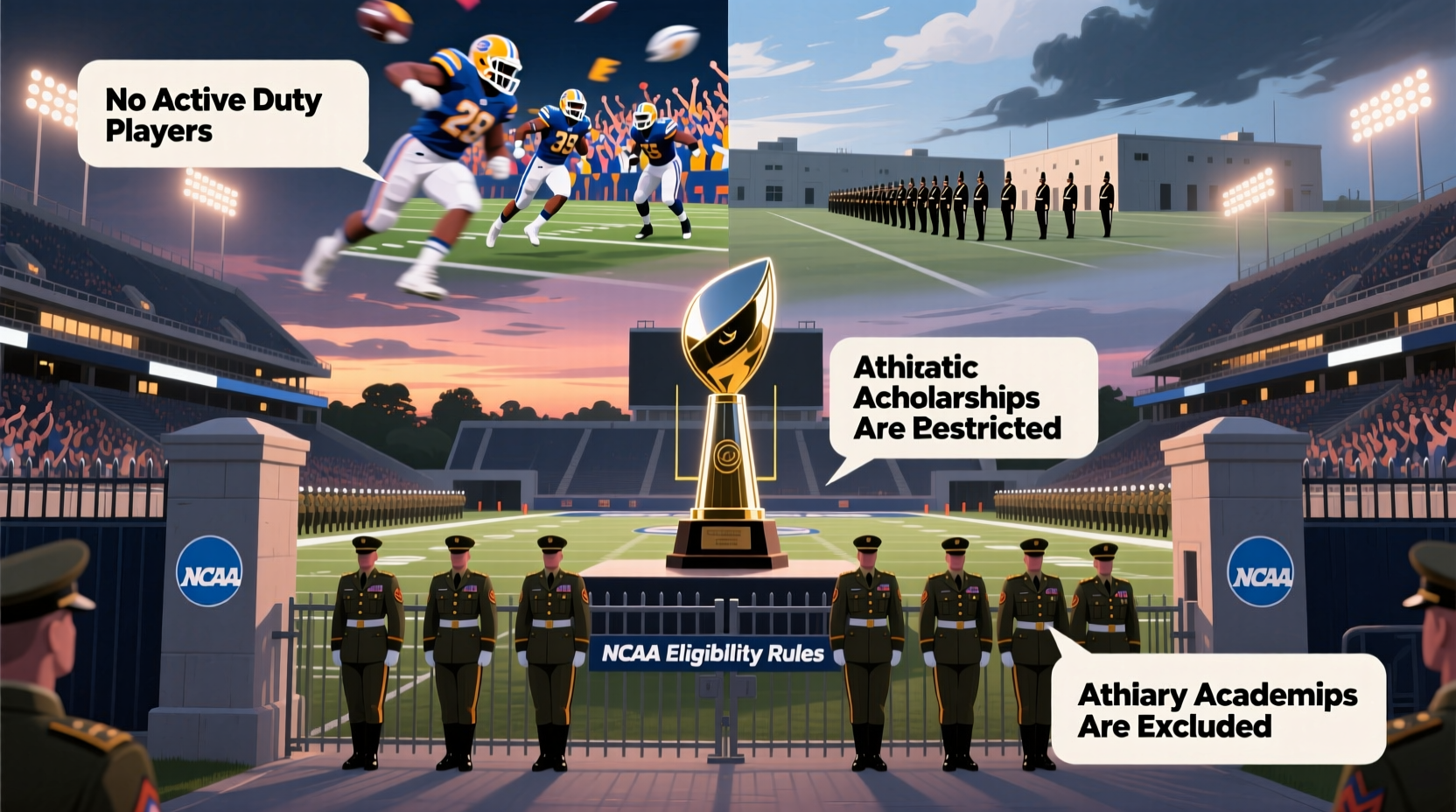
The College Football Playoff selection committee evaluates teams based on several key criteria: win-loss record, strength of schedule, head-to-head results, conference championships, and overall performance quality. While no formal point system exists, the committee prioritizes teams that dominate their opponents, play high-level non-conference games, and represent major athletic conferences.
Army competes in the American Athletic Conference (AAC), which is classified as a “Group of Five” conference. Power Five conferences—namely the SEC, Big Ten, Big 12, ACC, and Pac-12—historically receive preferential treatment in rankings and access to the playoff. Only once has a non-Power Five team (Cincinnati in 2021) made the CFP, and even then, they were ranked No. 4 after going undefeated and winning their conference.
For Army, simply winning their conference is not enough. They must also prove dominance against top-tier competition—a challenge given scheduling constraints and roster limitations unique to military academies.
Institutional Constraints That Limit Competitive Growth
Unlike civilian universities, Army operates under strict institutional guidelines that directly affect athletic competitiveness:
- Military obligations override athletics. Cadets are first and foremost future officers in the U.S. Army. Their academic, physical training, and leadership development requirements take precedence over football practice and travel.
- No athletic scholarships in the traditional sense. While cadets receive full tuition coverage through their service commitment, Army cannot offer signing bonuses, NIL collectives, or guaranteed playing time—key tools used by other schools to attract elite recruits.
- Roster size and depth limitations. Due to graduation commitments and mandatory post-graduation service, many players leave early for active duty assignments, disrupting team continuity.
- Scheduling restrictions. Army often avoids scheduling multiple Power Five opponents in a single season due to financial risk and player workload concerns. This limits opportunities to build a resume strong enough for national consideration.
“Service academies compete with one hand tied behind their backs. They uphold national values while trying to beat programs spending tens of millions on facilities and recruiting.” — Dr. Michael Weinreb, Sports Historian & Author of *Third and Long: Race, Risk, and the Future of College Football*
Performance Gaps Against Top-Tier Competition
To earn a spot in the CFP, a team must typically go undefeated or nearly so, with marquee wins over ranked opponents. Army’s best seasons in the modern era—such as 2018 (11–2) and 2023 (11–2)—are impressive but fall short when compared to the résumés of playoff-caliber teams.
In 2023, Army finished second in the AAC but lost to Tulane in the conference championship game. Even with 11 wins, their strength of schedule ranked near the bottom among FBS teams. Their non-conference slate included Kent State and Buffalo—Mid-American Conference teams not viewed as significant hurdles by the selection committee.
Contrast this with Cincinnati’s 2021 run: victories over Notre Dame (a preseason top-5 team), Houston, and two ranked AAC opponents, plus a dominant conference title win. That résumé forced the committee to act. Army has yet to produce an equivalent body of work.
Comparison of Key Metrics: Army vs. Typical CFP Contender
| Metric | Army (2023 Example) | Typical CFP Team (e.g., Georgia 2022) |
|---|---|---|
| Overall Record | 11–2 | 14–1 |
| Wins vs. Ranked Opponents | 0 | 5+ |
| Strength of Schedule (SOS) | 120+ (low tier) | Top 40 |
| Offensive Efficiency (SP+) | ~75th nationally | Top 5 |
| Conference Champion? | No | Yes |
The data shows a clear gap. While Army excels in discipline, execution, and special teams, they lack the offensive firepower and defensive speed required to consistently challenge elite programs.
Tip: When evaluating Army's playoff chances, focus not just on wins but on quality of opposition. A win over a Power Five team would dramatically shift perception.Realistic Pathways to Future Relevance
While making the CFP remains unlikely in the near term, Army can still position itself closer to national contention through strategic improvements:
- Schedule more Power Five opponents. Playing teams like Penn State, Virginia Tech, or Oregon—even if it leads to losses—builds credibility and provides measurable challenges.
- Develop quarterback depth and passing efficiency. Army’s triple-option offense is effective but predictable. Modernizing slightly could open up play-action and downfield threats.
- Leverage transfer portal wisely. Though limited by military requirements, Army has begun accepting transfers who meet academy standards. Targeting skilled specialists (kickers, defensive backs) can elevate performance.
- Win the AAC Championship Game. As a conference champion from a Group of Five league, Army would gain automatic Cotton Bowl access and a chance to impress the committee with a New Year’s Six victory.
- Cultivate national media presence. Highlighting cadet stories, leadership values, and community impact helps humanize the program and builds goodwill during selection debates.
Mini Case Study: Cincinnati’s Breakthrough Season (2021)
In 2021, the University of Cincinnati Bearcats became the first Group of Five team to break into the College Football Playoff. Their path offers a roadmap for Army:
- Started the season ranked in the AP Top 25.
- Defeated Notre Dame in South Bend—then ranked No. 9—early in the year.
- Won the AAC Championship Game decisively over Houston.
- Maintained an undefeated record throughout the regular season.
- Received strong advocacy from coaches, analysts, and fans emphasizing consistency and program growth.
Army lacks that signature win and unblemished record. But replicating even part of Cincinnati’s formula—especially scheduling bold non-conference matchups—could create momentum toward broader recognition.
Frequently Asked Questions
Can Army ever make the College Football Playoff?
Theoretically, yes—if they go undefeated, win their conference, and deliver a compelling case through strength of schedule and quality wins. However, structural disadvantages make it extremely improbable without significant changes in scheduling or playoff format.
Why doesn’t Army play more big-name teams?
Scheduling Power Five opponents involves financial risk. Hosting a team like Alabama guarantees a multi-million dollar payout, but losing badly can damage morale and rankings. Additionally, Army prioritizes player development and mission readiness over aggressive scheduling.
Would expanding the playoff help Army?
Yes. Starting in 2024, the CFP expands to 12 teams, including automatic bids for the six highest-ranked conference champions. If Army wins the AAC and finishes in the top six, they would qualify. This makes conference success more critical than ever.
Conclusion: Respect, Realism, and the Road Ahead
Army’s absence from the College Football Playoff is not a reflection of effort or spirit—it’s a consequence of systemic realities. The program honors both athletic excellence and national service, a dual mission few institutions balance as well. While competing for a national title may remain out of reach under current conditions, Army continues to inspire through integrity, resilience, and disciplined play.
The upcoming 12-team playoff format offers new hope. By focusing on conference dominance, strategic scheduling, and incremental improvement, Army can aim not just for relevance, but for a historic breakthrough. In doing so, they won’t just change perceptions—they’ll remind the nation what college football, at its best, is supposed to represent.
🚀 What do you think? Can Army break through in the expanded playoff era? Share your thoughts and join the conversation below.








