Trek Bicycles has long stood as a leader in the cycling industry, known for innovation, performance, and reliability. But one question persists among new and experienced riders alike: Why are Trek bikes so expensive? At first glance, the price tags on models like the Domane or Madone can seem daunting. Yet behind every Trek frame is a calculated balance of advanced engineering, premium materials, rigorous testing, and long-term value. Understanding what drives the cost—and whether it’s justified—can help you make an informed decision when investing in your next ride.
The Role of Premium Materials and Frame Technology
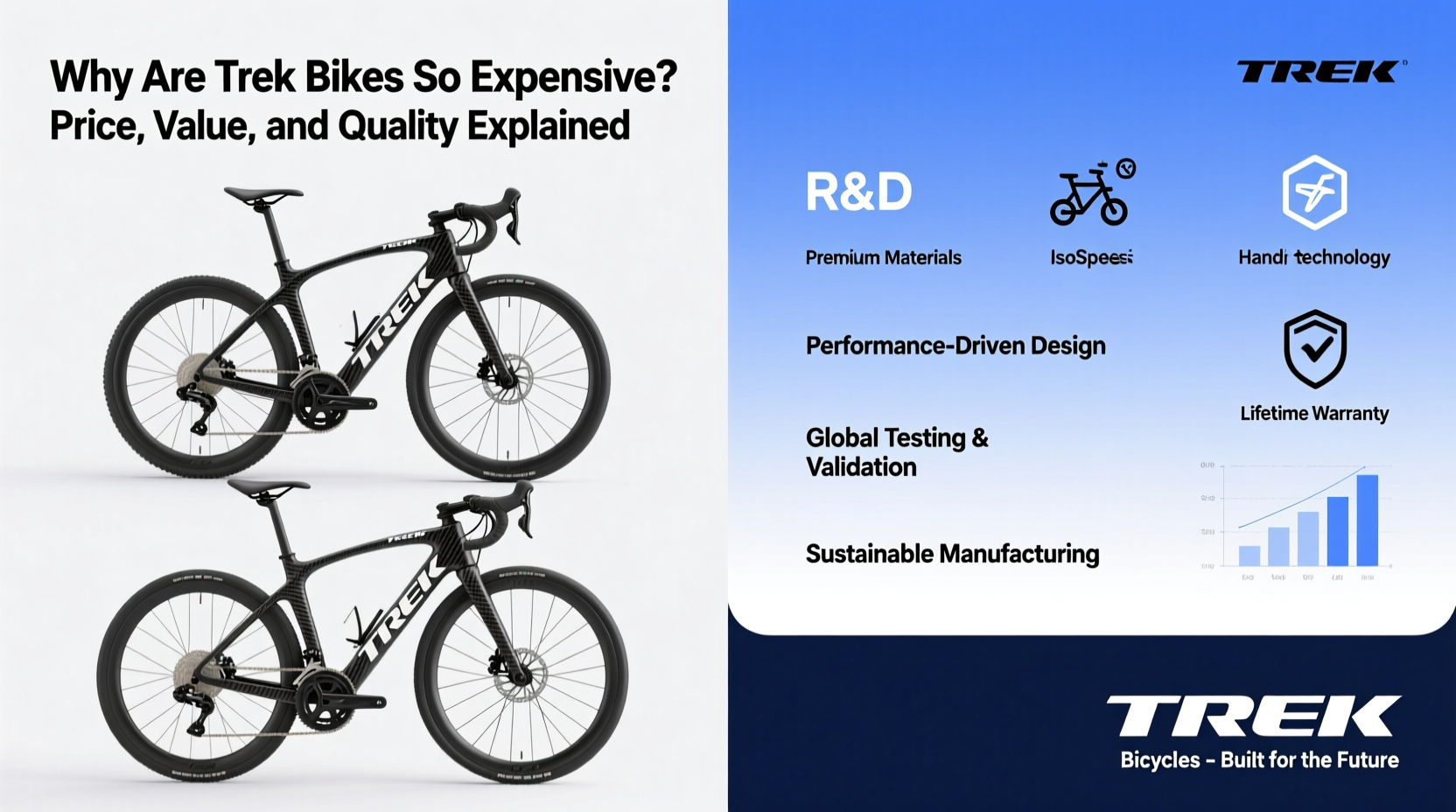
One of the primary reasons for Trek's higher pricing lies in the materials used to construct their frames. Trek uses high-grade carbon fiber, aluminum alloys, and proprietary composites that are both lightweight and durable. Their OCLV (Optimum Compaction, Low Void) carbon, for example, is developed in-house and undergoes stringent aerospace-inspired processes to eliminate imperfections and ensure structural integrity.
This isn't just marketing jargon. The precision involved in layering carbon fiber by hand, aligning fibers for optimal stiffness-to-weight ratios, and curing frames under controlled conditions adds significant cost—but also delivers superior ride quality, responsiveness, and longevity.
Aluminum models, while more affordable than carbon, still use Trek’s Alpha Aluminum technology, which involves double-butted tubing and hydroforming to reduce weight without sacrificing strength. These manufacturing techniques require specialized tooling and expertise, further contributing to production costs.
Tip: When comparing bikes, don’t just look at weight—consider how frame materials affect ride comfort, vibration damping, and long-term durability.Engineering, Research, and Innovation
Trek invests heavily in research and development. Their R&D facilities include wind tunnels, fatigue-testing labs, and real-world simulation environments where prototypes are pushed to their limits. For instance, every carbon frame undergoes over 100 hours of virtual and physical stress testing before reaching consumers.
Innovation isn’t limited to speed or aerodynamics. Trek’s IsoSpeed decoupler, featured on endurance road bikes like the Domane, allows the seat tube to flex independently from the top tube, smoothing out rough roads. This kind of patented technology requires years of development and testing, adding to the overall investment reflected in the final price.
“Trek doesn’t just build bikes—they engineer riding experiences. The attention to detail in suspension integration, geometry tuning, and material science sets them apart.” — Dr. Lena Peterson, Cycling Ergonomics Researcher, University of Colorado Boulder
Manufacturing and Quality Control Standards
Trek maintains strict control over its supply chain. While some components are sourced globally, final assembly and critical stages of production occur in facilities with rigorous quality assurance protocols. Every frame is inspected multiple times during construction, and random samples undergo destructive testing to verify safety margins.
This level of oversight ensures consistency and reliability but comes at a cost. Unlike budget brands that may prioritize volume over scrutiny, Trek prioritizes rider safety and product longevity. A well-made Trek bike can last decades with proper care—something difficult to achieve with cheaper, mass-produced alternatives.
Comparison: Trek vs. Entry-Level Brand Bikes
| Feature | Trek Bikes | Entry-Level Brands |
|---|---|---|
| Frame Material | Proprietary carbon, Alpha Aluminum | Generic carbon, basic aluminum |
| Component Quality | Shimano Ultegra, SRAM Force, Bontrager | Lower-tier Shimano Claris, generic parts |
| Warranty | Lifetime frame warranty | 1–3 years, often non-transferable |
| R&D Investment | High – in-house labs, patents | Minimal – off-the-shelf designs |
| Long-Term Value | High resale, upgrade-friendly | Depreciates quickly |
Brand Value and After-Sales Support
Trek’s reputation isn’t built solely on performance—it’s reinforced by customer support and ecosystem integration. All Trek bikes come with a lifetime warranty on the frame, a rare offering in the industry. This reflects confidence in their build quality and provides tangible value to buyers.
Beyond warranties, Trek offers comprehensive after-sales services through authorized dealers. These shops provide professional fitting, tune-ups, and trade-in programs. Bontrager, Trek’s in-house component brand, ensures compatibility and seamless upgrades across their lineup.
Additionally, Trek’s commitment to sustainability and ethical manufacturing influences pricing. They’ve implemented recycling programs, reduced emissions in production, and partnered with organizations like PeopleForBikes to advocate for cycling infrastructure—costs that are factored into their business model.
Mini Case Study: Sarah’s Commuter Upgrade
Sarah, a software engineer in Portland, spent $1,200 on a Trek FX Sport 5 for her daily 12-mile commute. Initially hesitant about the price, she compared it to a $600 department store hybrid. Over two years, the Trek required only routine maintenance, while her colleague’s cheaper bike needed new brake cables, a replaced bottom bracket, and a trued wheel after six months.
“The Trek rides smoother, shifts better, and hasn’t had a single mechanical failure,” Sarah said. “I saved money in repairs alone. Plus, the fit is perfect thanks to the dealer’s fitting service.” Her experience highlights how upfront cost doesn’t always reflect long-term expense.
Is the Price Justified? A Step-by-Step Value Assessment
To determine whether a Trek bike is worth the investment, follow this evaluation process:
- Define Your Riding Goals: Are you commuting, racing, touring, or riding recreationally? High-performance needs justify higher-end models.
- Compare Total Cost of Ownership: Factor in expected maintenance, part replacements, and lifespan. A $3,000 Trek lasting 15 years costs less per year than a $1,000 bike replaced every 5 years.
- Evaluate Component Quality: Check drivetrain, brakes, wheels, and fork. Trek typically equips bikes with reliable mid-to-high-tier components even at entry levels.
- Test Ride Competitors: Compare similar-priced models from Specialized, Giant, or Cannondale. Note differences in fit, handling, and comfort.
- Consider Resale Value: Trek bikes hold value better than most. A well-maintained model can recoup 50–70% of its original price after several years.
Frequently Asked Questions
Are Trek bikes overpriced compared to other brands?
Not necessarily. While Trek bikes may carry a premium, they often include better components, superior frame tech, and stronger warranties than competitors at similar price points. When comparing apples to apples—such as Trek Domane AL 3 vs. Giant Contend 3—the differences in durability and ride quality become clear.
Can I get a good Trek bike on a budget?
Yes. Trek offers entry-level models like the Marlin 5 (mountain) or FX 2 (hybrid) starting around $600–$800. These bikes still feature quality aluminum frames, reliable components, and the same attention to geometry and safety as their high-end counterparts.
Why does Trek use Bontrager parts instead of name-brand components?
Bontrager parts are designed in collaboration with Trek engineers to ensure optimal compatibility, weight, and performance. While some parts are manufactured by third parties, they’re tuned specifically for Trek frames. Many Bontrager wheels, saddles, and handlebars perform on par with—or exceed—comparable aftermarket products.
Final Thoughts: Investing in Performance, Safety, and Longevity
The higher price of Trek bikes stems from deliberate choices: using superior materials, investing in R&D, enforcing strict quality control, and backing products with exceptional warranties. You're not just paying for a brand name—you're investing in a machine engineered for performance, comfort, and years of dependable use.
For serious riders, commuters, or anyone who values safety and long-term value, a Trek bike often proves to be a smarter financial decision than repeatedly replacing lower-quality alternatives. The initial cost may sting, but over time, the savings in repairs, replacements, and sheer riding enjoyment add up.
🚀 Ready to find your perfect fit? Visit a local Trek dealer, test ride a few models, and experience firsthand why quality matters. Share your thoughts or questions below—your journey to a better ride starts now.








