The Cleveland Browns have become synonymous with futility in the NFL. For decades, fans have endured heartbreak, incompetence, and fleeting hope—only to be crushed again. While other struggling franchises eventually rebuild or rebrand, Cleveland remains trapped in a cycle of underperformance. This isn't just about losing games; it's about systemic failure across leadership, roster construction, coaching, and culture. To understand why the Browns remain so bad, we must look beyond the scoreboard and examine the deeper roots of their dysfunction.
A History of Mismanagement and Broken Promises
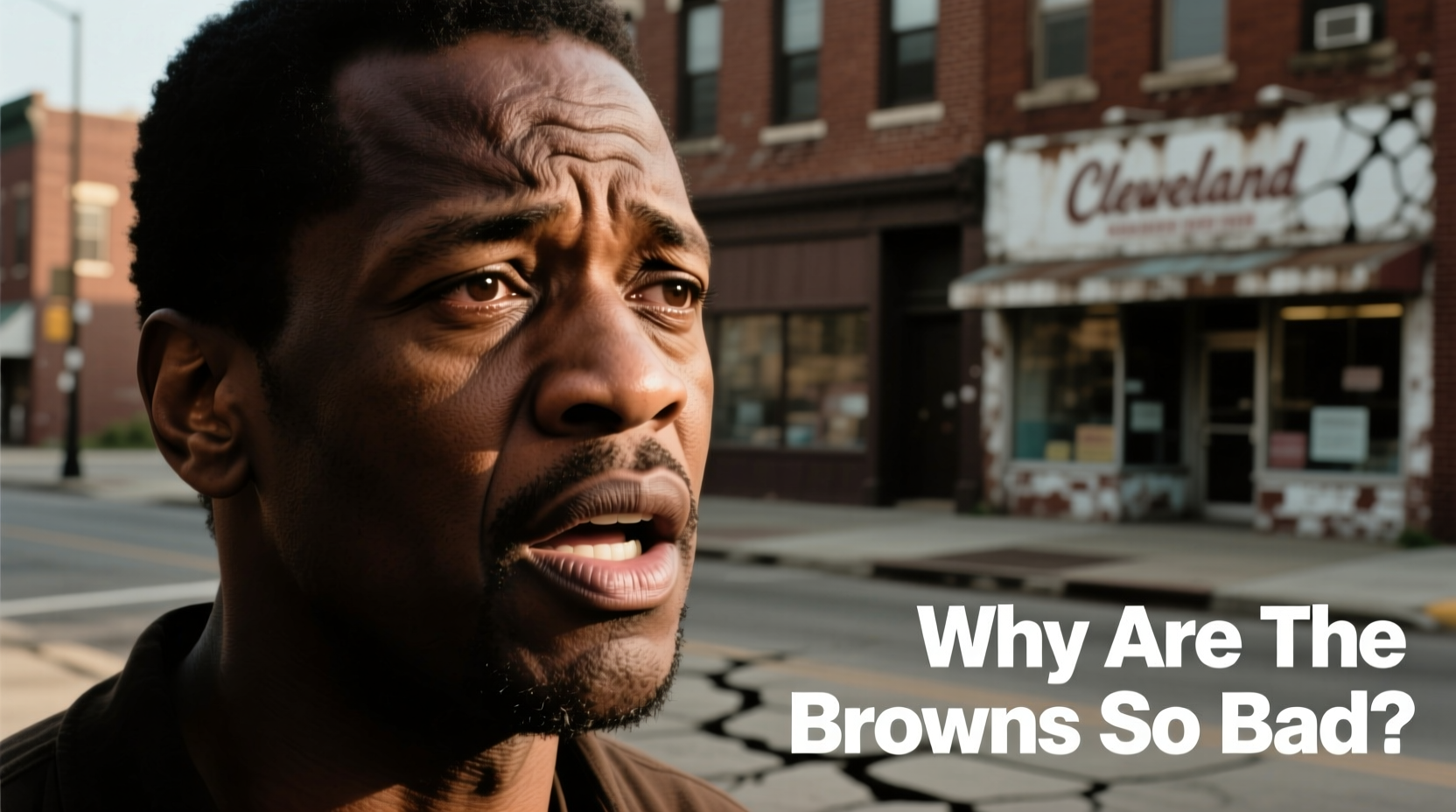
The Browns' modern era began with a promise: return football to a city that loved it unconditionally. When the team was reinstated in 1999 after a three-year hiatus, expectations were high. But instead of stability, Cleveland inherited a legacy of poor decision-making. Ownership under the Haslam family has been marked by indecisiveness, revolving-door regimes, and an inability to hold executives accountable.
Since 1999, the Browns have cycled through nine head coaches and seven general managers. That instability prevents long-term planning, erodes institutional knowledge, and breeds short-term thinking. Compare this to franchises like the Patriots or Chiefs, where continuity has fueled sustained success. In Cleveland, every new regime starts from scratch, often undoing the work of its predecessor.
“Chaos becomes the norm when there’s no clear vision at the top. The Browns haven’t lacked talent—they’ve lacked direction.” — Mike Florio, NBC Sports NFL Analyst
Roster Construction: Talent vs. Fit
Cleveland hasn’t always been devoid of talent. They’ve had Pro Bowl players like Myles Garrett, Jarvis Landry, Odell Beckham Jr., and Baker Mayfield. Yet assembling stars doesn’t guarantee wins if they don’t fit together or the system around them is flawed.
The Browns made headlines in 2019 by trading for superstar wide receiver Odell Beckham Jr., pairing him with Mayfield and Landry. The “Air Raid” offense was supposed to explode. Instead, the team struggled with consistency, protection breakdowns, and defensive lapses. The front office prioritized splashy acquisitions over foundational pieces—especially on the offensive line and secondary.
| Position Group | Strength | Weakness |
|---|---|---|
| Defensive Line | Elite (led by Myles Garrett) | Lack of consistent run support |
| Quarterback | High draft capital invested | Poor development and scheme fit |
| Offensive Line | Occasional flashes | Chronic injuries and inconsistency |
| Secondary | Young talent | Lack of experience and coverage reliability |
The pattern repeats: spend big on headline names while neglecting depth and cohesion. It’s a classic case of treating symptoms rather than curing the disease.
Tip: Sustainable teams build from the trenches first—offensive and defensive lines—before investing in skill-position fireworks.Coaching Carousel and Strategic Incoherence
Stability in coaching is rare in Cleveland. From Hue Jackson’s tumultuous tenure to Freddie Kitchens’ one-and-done season, and Kevin Stefanski’s promising start derailed by regression, the Browns lack continuity in philosophy.
Stefanski brought order in 2020, leading the team to its first playoff win since 1994. But progress stalled. Offensive schemes grew predictable, defensive coordinators were shuffled, and player development plateaued. When Stefanski stepped back from play-calling in 2023 due to health concerns, the offense lost its rhythm.
The Browns also struggle with in-game adjustments. They’re often out-coached in critical moments—failing to adapt when opponents expose weaknesses. Clock management, red-zone execution, and fourth-down decisions consistently undermine their efforts.
Case Study: The 2023 Season Collapse
The 2023 campaign began with optimism. Deshaun Watson returned from suspension. The defense showed improvement. They started 3–1, beating tough opponents like the Steelers and Ravens. But cracks quickly appeared.
In Week 7 against the Jets, Cleveland blew a 10-point lead in the final quarter. Poor tackling, missed assignments, and stagnant offense led to a crushing loss. Over the next eight weeks, the team went 1–7. Watson regressed, receivers dropped passes, and the defense allowed over 27 points per game.
By midseason, injuries mounted, morale dipped, and fan frustration boiled over. What could have been a playoff push unraveled into another losing record. The collapse wasn’t sudden—it was the result of underlying fragility masked by early wins.
Organizational Culture: The Invisible Handicap
Beyond X’s and O’s, the Browns suffer from a toxic organizational culture. Reports of internal discord, lack of accountability, and poor communication between coaches and players surface regularly. Former players have anonymously criticized leadership in media reports, citing confusion over roles and lack of trust.
This isn’t unique to recent years. The Art Modell era, relocation, and failed returns created generational trauma. Fans feel betrayed, players feel pressure, and management operates under a cloud of skepticism. Without psychological safety and shared purpose, even talented rosters underperform.
Compare this to teams like the Kansas City Chiefs, where Andy Reid fosters a culture of empowerment and resilience. Players know their roles, believe in the system, and respond to adversity collectively. In Cleveland, the opposite prevails: uncertainty, blame-shifting, and fractured chemistry.
Path Forward: A Checklist for Real Change
Rebuilding the Browns won’t happen overnight, but it can happen—with discipline and clarity. Here’s what must change:
- Evaluate ownership involvement: The Haslams must either commit fully or empower a football czar with real authority.
- Stabilize leadership: Hire a GM and head coach aligned in vision, then give them time to build.
- Invest in infrastructure: Upgrade scouting, analytics, sports science, and player development systems.
- Build through the draft: Prioritize offensive linemen, edge rushers, and corners—positions that anchor winning teams.
- Fix the offensive line: No amount of quarterback talent matters without protection.
- Develop quarterbacks properly: Stop forcing hype and allow young QBs to grow in low-pressure environments.
- Restore fan trust: Communicate transparently, acknowledge past failures, and celebrate incremental progress.
Step-by-Step Rebuild Timeline
- Year 1: Hire a competent GM and head coach. Focus on drafting linemen and defenders. Accept a losing record as part of the reset.
- Year 2: Develop young QB (via draft or trade). Improve special teams and reduce turnovers.
- Year 3: Compete for a wild-card spot. Establish identity (e.g., physical defense, balanced offense).
- Year 4: Contend for a division title. Build depth and sustain performance through injuries.
- Year 5: Become a consistent playoff team with Super Bowl aspirations.
Frequently Asked Questions
Are the Browns cursed?
No. While the team has suffered improbable losses—like the “Red Right 88” interception or the 2017 last-second field goal miss—there’s no supernatural force at play. The real issues are human: poor decisions, weak systems, and lack of accountability.
Can Deshaun Watson turn things around?
Unlikely in his current form. Watson carries a massive contract and injury history. His performance since joining Cleveland has been below average. The team would be better served developing a younger quarterback while using Watson as a bridge or trade asset.
What’s the biggest obstacle to success?
Ownership inertia. Until the Haslams demand excellence or step aside, the cycle will continue. Real change requires someone with the power to fire underperforming executives and enforce a long-term plan.
Conclusion: Breaking the Cycle Starts Now
The Browns aren’t bad because of geography, weather, or fan behavior. They’re bad because of choices—years of bad choices. But unlike the past, solutions exist. Other franchises have risen from worse: the Jaguars in the 90s, the Lions after decades of irrelevance, the Rams post-St. Louis. Revival is possible with courage, patience, and humility.
Cleveland deserves better. The city bleeds brown and orange with unmatched passion. It’s time for the organization to match that loyalty with competence. Not flashy trades. Not PR campaigns. Real structural change.
🚀 Change begins with accountability. Share this article with a Browns fan who still believes—and let’s keep demanding more.








