
The Appalachian Mountains stretch over 2,000 miles from Georgia to Maine, offering some of the most scenic and historic hiking trails in North America. Yet behind their serene beauty lies a reputation steeped in danger and mystery. While many view the Appalachians as a haven for outdoor recreation, seasoned hikers and local authorities warn that these ancient peaks conceal real and often underestimated threats. From unpredictable weather shifts to poorly marked trails and deep-rooted cultural superstitions, the dangers extend beyond physical hazards into the realm of folklore and psychological unease.
This combination of environmental risk and mythological weight has contributed to a unique kind of peril—one where the terrain is only part of the story. Understanding why the Appalachian Mountains are considered dangerous requires examining both tangible threats and the stories passed down through generations that amplify fear and caution alike.
Natural Hazards That Make Hiking Risky
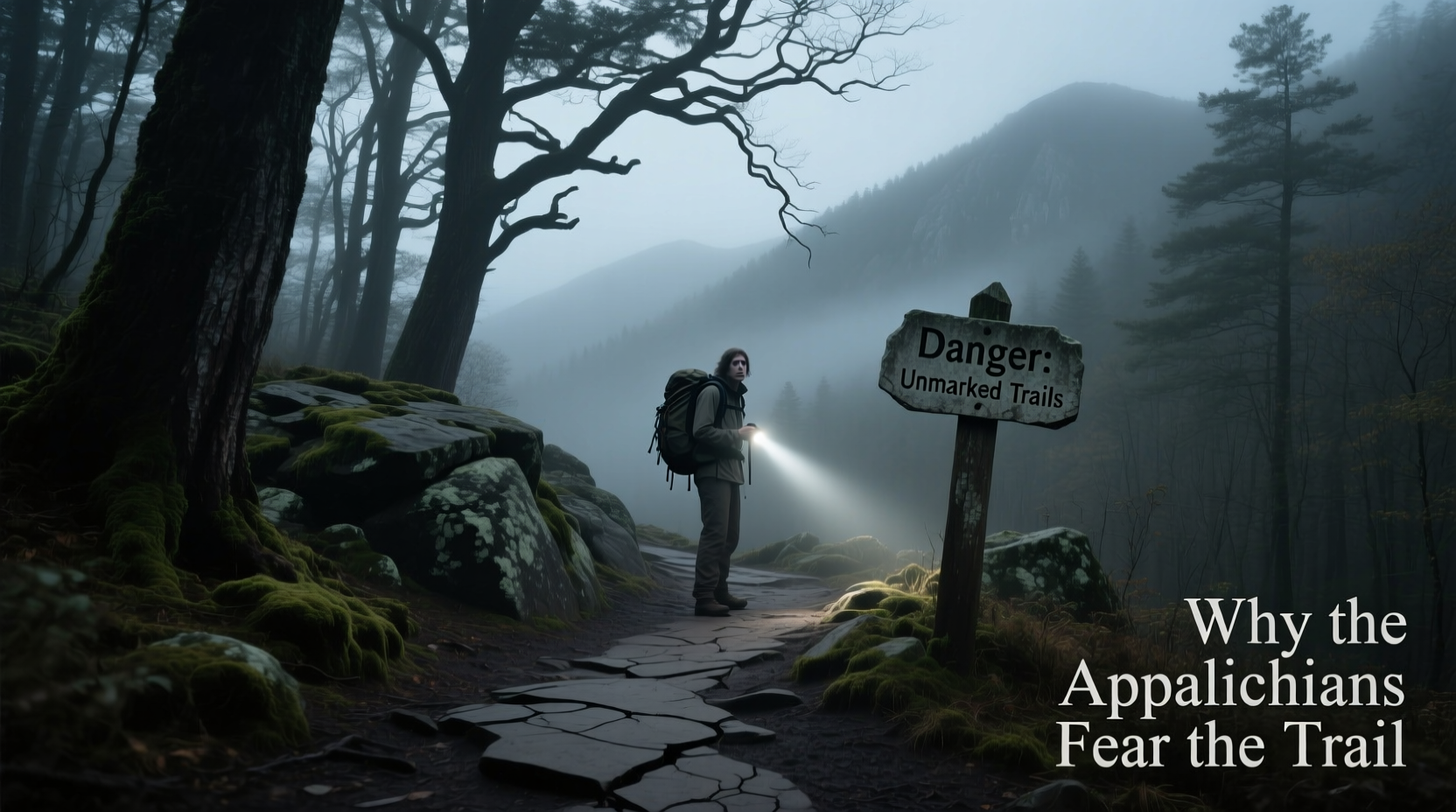
The Appalachian terrain is deceptively rugged. Unlike younger mountain ranges with sharp, visible cliffs, the Appalachians feature rolling ridges and dense forests that can disorient even experienced hikers. Elevation changes may seem gradual, but cumulative fatigue over long distances—especially on the Appalachian Trail (AT)—can lead to poor decision-making.
Weather is one of the most volatile factors. Sudden storms roll in without warning, particularly in higher elevations like the Great Smoky Mountains or Virginia’s Grayson Highlands. Hypothermia is a real risk, even in spring or early fall, due to rapid temperature drops and persistent dampness from fog and rain. Flash floods in narrow valleys and landslides after heavy rains have trapped or injured hikers with little warning.
Wildlife also presents challenges. Black bears are common, though attacks are rare; more concerning are ticks carrying Lyme disease and other tick-borne illnesses such as Rocky Mountain spotted fever. Copperheads and timber rattlesnakes inhabit rocky outcrops and forest floors, especially in the southern sections of the range.
Tip: Always carry a topographic map and compass—even if you use GPS. Signal loss is common in deep valleys and coves.Folklore and Cultural Narratives That Amplify Danger
Beyond physical threats, the Appalachian region is rich with oral traditions that shape how people perceive the wilderness. Local legends speak of shadowy figures seen along remote trails, strange lights in the woods, and voices calling from unseen sources. These stories, while not verifiable, contribute to a psychological layer of danger that affects hiker behavior and morale.
Tales of “wild men” or “hollow folk”—reclusive individuals living off-grid in the backcountry—are widespread. Some are rooted in historical truth; others veer into cryptid territory, resembling Bigfoot sightings. While most are harmless, isolated incidents of confrontations with armed squatters or mentally unstable individuals have occurred, reinforcing wariness among thru-hikers.
In certain communities, outsiders entering remote areas are viewed with suspicion. This cultural insularity, born from generations of self-reliance and economic hardship, means help may not always be readily available—or offered at all. The phrase “you’re not welcome here” echoes through both literal encounters and regional storytelling, adding to the sense of alienation felt by solo travelers.
“Folklore in the South isn’t just entertainment—it’s a form of boundary-setting. When locals tell stories about haunted hollows or cursed trails, they’re often warning people to stay out.” — Dr. Lila Monroe, Cultural Anthropologist, University of Tennessee
Trail Challenges and Navigation Risks
The Appalachian Trail, maintained by a network of volunteers, varies drastically in condition depending on location. In well-trafficked areas like Harper’s Ferry or Springer Mountain, signage is clear. But in more remote zones—such as the Roan Highlands or the \"100-Mile Wilderness\" in Maine—trail markers fade, blazes are missing, and side paths multiply confusingly.
False trails are common. These unofficial paths, often created by animals or previous hikers veering off course, can lead deep into unmarked territory. Rescues frequently occur because hikers follow these misleading routes, assuming they’re still on the AT.
Elevation gain is another silent hazard. Over its entire length, the AT accumulates approximately 465,000 feet of elevation change—equivalent to climbing Mount Everest 16 times. Most hikers underestimate this toll until knee pain, dehydration, or exhaustion sets in.
| Hazard Type | Common Locations | Prevention Strategy |
|---|---|---|
| Slippery terrain | Great Smoky Mountains, PA rocks | Use trekking poles, wear grippy boots |
| Poor trail marking | 100-Mile Wilderness, VA/NC border | Carry paper maps, verify blaze color |
| Water scarcity | Grayson Highlands, VT/NH section | Plan resupply points, carry filters |
| Tick infestation | Mid-Atlantic states (MD, PA, NJ) | Wear permethrin-treated clothing |
Real Incident: Lost in the Roan Highlands
In 2021, a solo hiker from Ohio attempted a three-day trek across North Carolina’s Roan Highlands during early spring. Despite checking weather forecasts, he encountered freezing rain at high elevation. His GPS failed due to cloud cover, and he missed a critical junction where the trail split around Grassy Ridge.
Following a faint path downhill, he descended into Deep Gap—a secluded valley with no cell signal and minimal foot traffic. For two days, search and rescue teams combed the area using drones and K-9 units before locating him suffering from mild hypothermia and dehydration. He later admitted he ignored local advice not to hike alone during shoulder seasons.
This case underscores how quickly conditions can deteriorate—and how folklore about “the hungry mountains” isn’t entirely divorced from reality when survival depends on preparation and respect for the land.
Essential Safety Checklist for Appalachian Hikers
- ✔️ File a detailed itinerary with someone reliable
- ✔️ Pack emergency shelter (bivy or space blanket)
- ✔️ Carry at least two water purification methods
- ✔️ Wear bright clothing to aid visibility during rescues
- ✔️ Learn basic first aid, especially for snake bites and allergic reactions
- ✔️ Avoid camping near abandoned structures or hidden trails
- ✔️ Respect private property boundaries—trespassing can escalate tensions
FAQ
Are the Appalachian Mountains more dangerous than the Rockies?
Not necessarily in raw altitude or technical difficulty, but the Appalachians pose different risks. Their danger lies in subtle, cumulative challenges: relentless humidity, difficult navigation, and isolation. The Rockies demand mountaineering skills; the Appalachians test endurance and mental resilience.
Is it safe to hike the Appalachian Trail alone?
Yes, many do—but preparation is key. Stick to populated sections if inexperienced, avoid off-season hikes, and maintain regular check-ins. Solo hikers account for a disproportionate number of SAR operations, often due to underestimating trail conditions.
Do people really disappear in the Appalachians?
While sensationalized, disappearances do occur. Most are eventually explained—accidents, medical emergencies, or voluntary withdrawal from society. However, remote terrain and delayed reporting mean some cases remain unresolved for weeks or longer.
Conclusion: Respecting the Mountains and the Myths
The Appalachian Mountains are neither inherently evil nor supernaturally cursed—but they command respect. Their danger emerges from a convergence of environmental unpredictability, human error, and cultural narratives that warn against arrogance in the wild. Whether you're planning a weekend hike or a thru-hike attempt, understanding both the documented risks and the stories whispered around campfires can be the difference between an adventure and a tragedy.
💬 Have you hiked in the Appalachians? Share your experience or local legend in the comments below—your insight could help keep others safe.








