In recent years, many cyclists and first-time buyers have been stunned by the rising cost of bicycles. What once seemed like a relatively affordable mode of transportation or weekend hobby now often comes with a price tag rivaling that of a used car. A basic hybrid bike can easily exceed $1,000, while high-end road or mountain models frequently surpass $5,000. So why are bicycles so expensive? The answer lies in a complex mix of material costs, manufacturing challenges, technological advancements, and global economic shifts.
The Hidden Costs Behind Modern Bicycle Manufacturing
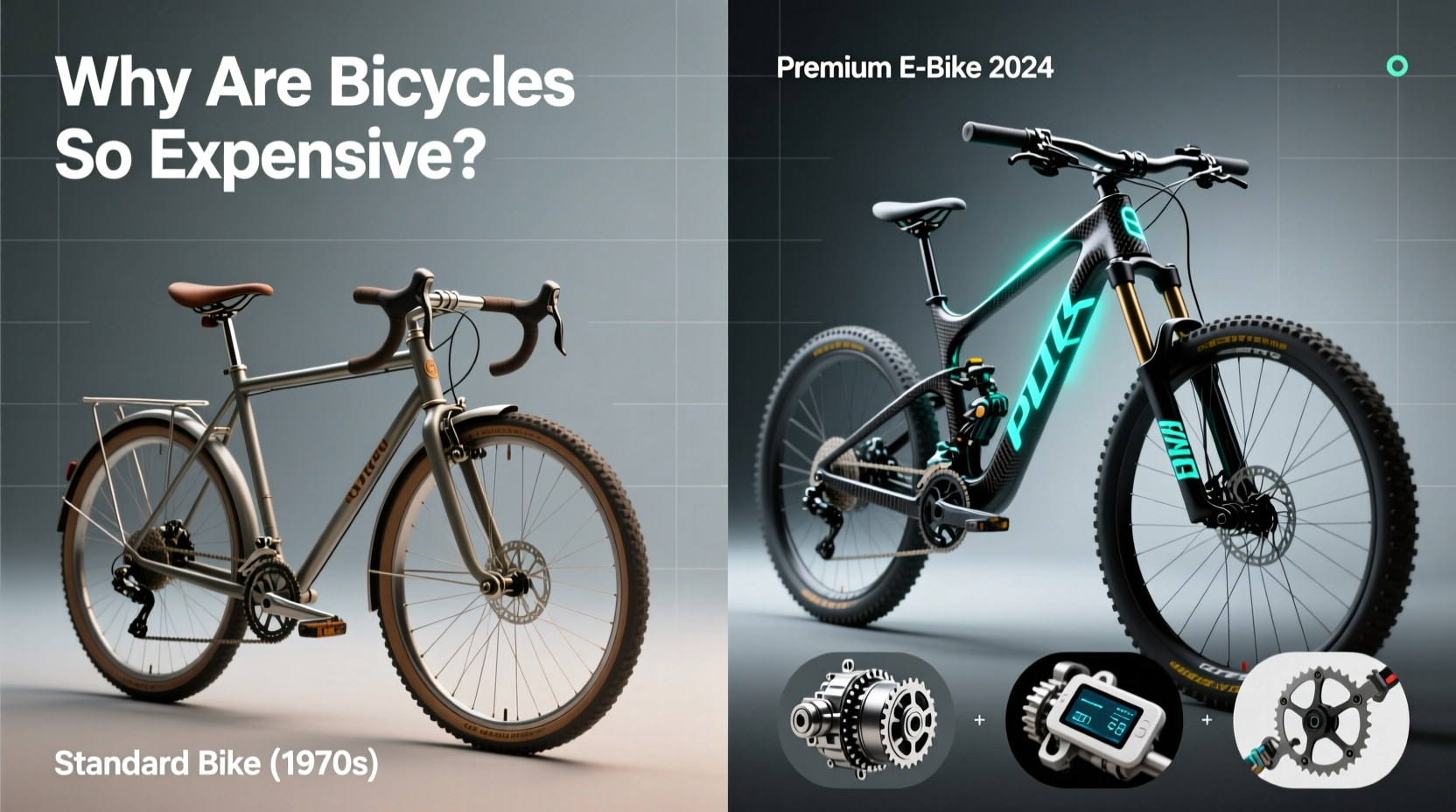
Bicycles today are not the simple steel-frame machines of decades past. Advances in materials science, engineering, and component technology have transformed bikes into precision instruments. High-performance frames made from carbon fiber, titanium, or advanced aluminum alloys require significant research, development, and specialized production techniques. These materials are lighter, stronger, and more aerodynamic—but they also come at a premium.
Carbon fiber, for instance, must be laid in precise orientations and cured under controlled heat and pressure. This labor-intensive process demands skilled technicians and expensive equipment, contributing heavily to final pricing. Similarly, high-grade aluminum requires hydroforming and butting processes to reduce weight without sacrificing durability—each step adding to production costs.
“Modern bikes are engineered to perform at elite levels, which means every gram saved and every watt optimized comes with a financial trade-off.” — Daniel Reyes, Senior Product Engineer at Apex Cycles
Supply Chain Disruptions and Component Shortages
One of the most significant drivers of increased bicycle prices since 2020 has been supply chain instability. The pandemic disrupted global manufacturing, particularly in Asia, where over 80% of bicycles and key components are produced. Factory shutdowns, shipping delays, and container shortages created a bottleneck that rippled through the industry.
Even as factories reopened, demand surged. With people avoiding public transit and seeking outdoor recreation, bicycle sales spiked by over 60% in some markets. Retailers scrambled to restock, but component suppliers—especially for drivetrains, brakes, and electronic systems—couldn’t keep up. Brands like Shimano, SRAM, and Campagnolo faced unprecedented backlogs, forcing manufacturers to delay shipments or substitute parts at higher costs.
Tip: Consider buying last year’s model when new versions launch—manufacturers often discount older stock due to component scarcity.Technological Innovation and Electronics Integration
Today’s bicycles are increasingly packed with technology. Electronic shifting systems, GPS-integrated handlebars, power meters, suspension tuning apps, and smart lights all add functionality—and cost. An electronic drivetrain alone can add $1,000–$2,000 to a bike’s base price.
These innovations require software development, firmware updates, and compatibility testing, further increasing R&D expenses. While they enhance performance and user experience, they also make repairs more complex and replacements more expensive. As a result, even mid-tier bikes now carry features once reserved for professional racers.
Common Tech Upgrades Driving Prices Up
- Electronic shifting (e.g., Shimano Di2, SRAM AXS)
- Integrated GPS navigation and fitness tracking
- Tubeless-ready wheels and smart tire pressure sensors
- Bluetooth-enabled suspension damping controls
- Aerodynamic frame designs using computational fluid dynamics (CFD)
Labor, Branding, and Distribution Markups
Beyond materials and tech, labor practices and brand positioning play a major role in pricing. While mass-market bikes are built in countries with lower labor costs, premium brands often emphasize ethical sourcing, quality control, and artisan craftsmanship—all of which increase overhead.
Distribution is another hidden cost. Bikes typically pass through multiple hands: manufacturer → importer → distributor → retailer. Each layer adds a markup of 30–50%. A bike that costs $800 to produce may reach the consumer at $2,000 after logistics, marketing, warranty support, and retail space expenses.
| Cost Factor | Typical Contribution to Final Price |
|---|---|
| Raw Materials (frame, fork, wheels) | 35–45% |
| Components (drivetrain, brakes, electronics) | 30–40% |
| Labor & Assembly | 5–10% |
| Distribution & Retail Markup | 40–60% |
| R&D and Design | 10–15% |
Note that these percentages overlap—distribution markups apply to the total build cost, including materials and labor.
Real-World Example: The Case of the Sold-Out Gravel Bike
In 2022, Sarah Thompson, an avid cyclist in Colorado, set out to buy a mid-range gravel bike for weekend adventures. She budgeted $2,000, expecting to get a reliable model with hydraulic disc brakes and tubeless compatibility. After months of searching, she found only two options in stock—one priced at $2,700 and another at $3,100, both significantly above her original target.
Upon inquiry, the local shop explained that the manufacturer had switched to a new carbon layup process and upgraded to a newer generation of SRAM components, both of which increased production costs. Additionally, air freight was used to bypass shipping delays, adding hundreds per unit. Sarah ultimately paid $2,900—a 45% increase over what similar models cost just two years earlier.
Her story reflects a broader trend: consumers are paying more not just for better performance, but for the logistical and economic realities of getting a bike to market.
How to Navigate Today’s Expensive Bike Market
While prices show no signs of dropping soon, savvy buyers can still find value. Understanding the factors behind pricing empowers you to make informed decisions and avoid unnecessary upgrades.
Smart Buying Checklist
- Define your riding needs: Do you commute, race, or ride casually? Avoid overspending on features you won’t use.
- Consider previous-year models: Often discounted by 15–30% when new versions release.
- Buy direct from reputable brands: Cut out middlemen with online-only manufacturers offering full builds at lower markups.
- Inspect used marketplaces: Platforms like eBay, Pinkbike, or local cycling groups offer lightly used bikes at steep discounts.
- Negotiate bundle deals: Ask retailers about free accessories (helmets, locks, pumps) to increase perceived value.
Frequently Asked Questions
Are expensive bikes worth the investment?
For serious riders who log hundreds of miles annually, higher-end bikes offer tangible benefits: lighter weight, smoother rides, better efficiency, and longer component life. However, for casual users, a well-maintained mid-range bike often provides excellent value without the premium price.
Will bike prices ever go down?
While some stabilization has occurred post-pandemic, long-term structural factors—like rising material costs, inflation, and sustained demand—suggest prices will remain elevated. Incremental drops may occur as supply chains normalize, but a return to pre-2020 pricing is unlikely.
Why do two bikes with similar specs have vastly different prices?
Differences often lie in frame construction quality, component tolerances, weight savings, and brand reputation. Two bikes may list “Shimano 105” groupsets, but one could use a higher-grade alloy or more sophisticated cable routing, affecting performance and cost.
Conclusion: Making Informed Choices in a High-Priced Market
The rise in bicycle prices isn’t arbitrary—it reflects real changes in how bikes are designed, built, and delivered. From cutting-edge materials to global logistics challenges, the modern bicycle carries the weight of innovation and complexity. While this makes ownership more expensive, it also means today’s bikes are more capable, efficient, and durable than ever before.
By understanding the forces behind the price hike, you can make smarter purchasing decisions, prioritize what matters for your riding style, and potentially save hundreds—or even thousands. Whether you're upgrading or buying your first bike, knowledge is your best tool for navigating this evolving landscape.
🚀 Ready to find your next ride? Share your biggest surprise about bike prices in the comments—your insight could help others avoid overpaying!








