
In recent years, even casual cyclists have noticed a sharp rise in bicycle prices. What once seemed like a modest investment—a $500 to $800 ride for weekend trails or city commutes—now often starts at $1,500 and climbs into the tens of thousands. So why are bicycles so expensive? The answer isn’t found in a single factor but in a complex web of materials, engineering, global supply chains, and evolving consumer demand. Understanding these elements reveals that high prices aren’t always about profit padding—they reflect real costs behind performance, durability, and innovation.
The Hidden Costs Behind Modern Bicycle Manufacturing
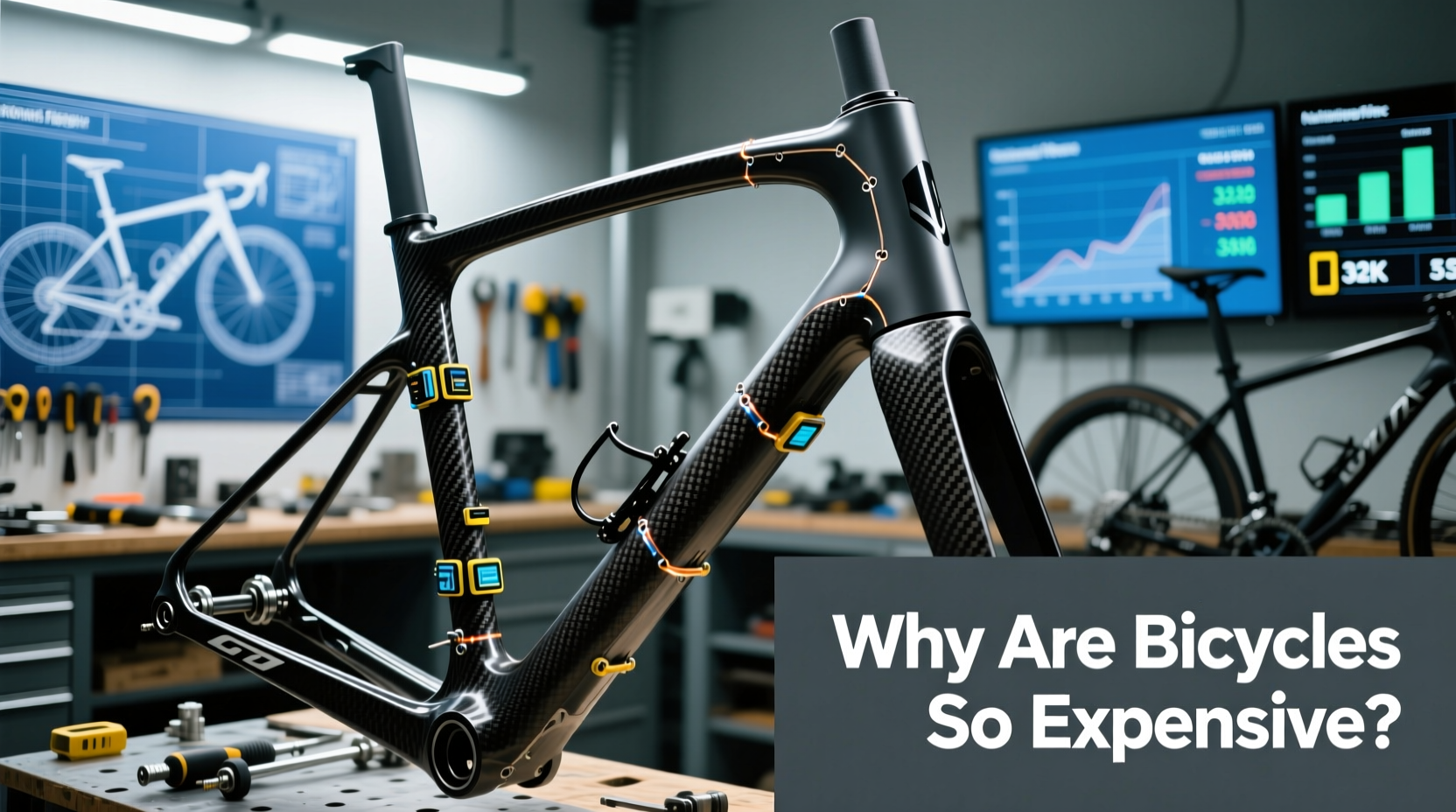
Bicycles today are not the simple steel-framed machines of decades past. They’re precision-engineered vehicles built for efficiency, comfort, and reliability across diverse conditions. This evolution comes with significant overhead. From research and development to sourcing advanced materials, every stage of production contributes to the final price tag.
Take carbon fiber, for example. Once reserved for elite racing bikes, it’s now common in mid-range models. But producing high-grade carbon frames requires specialized molds, autoclave curing, and rigorous quality control. A single frame can take 40–60 hours to manufacture from start to finish, involving dozens of skilled technicians. Unlike mass-produced items, many premium bikes are still hand-assembled, adding labor intensity to the process.
“High-performance bicycles are more akin to aerospace components than consumer goods. The tolerances, materials, and testing involved justify much of the cost.” — Daniel Reeves, Lead Engineer at Apex Cycle Dynamics
Material Quality and Sourcing Challenges
The shift toward lighter, stronger materials has redefined what’s possible on two wheels—but at a cost. Aluminum alloys, chromoly steel, titanium, and carbon fiber each offer unique advantages, but they also come with steep price differences.
| Material | Weight Advantage | Durability | Avg. Frame Cost (USD) |
|---|---|---|---|
| Hi-Ten Steel | Low | High (but heavy) | $80–$150 |
| 6061 Aluminum | Moderate | Good | $200–$400 |
| Chromoly Steel | Good | Excellent | $300–$600 |
| Titanium | Excellent | Exceptional | $1,200–$2,500+ |
| Carbon Fiber | Superior | High (with care) | $800–$3,000+ |
But materials alone don’t tell the full story. Sourcing ethical, conflict-free raw materials adds compliance and auditing expenses. Manufacturers must ensure aluminum isn’t linked to environmentally destructive mining, and that resins used in carbon layups meet volatile organic compound (VOC) regulations. These standards, while necessary, increase production complexity and cost.
Tip: When comparing bikes, look beyond the frame material. High-end drivetrains, wheelsets, and suspension systems often contribute more to price than the frame itself.Research, Development, and Innovation Expenses
Major brands invest millions annually in R&D to refine aerodynamics, improve shifting efficiency, reduce weight, and enhance rider safety. For instance, Shimano and SRAM spend over $100 million per year developing new groupsets—integrated systems of derailleurs, shifters, and brakes. These innovations eventually trickle down from professional racing circuits to consumer models, but the initial development is costly.
Consider electronic shifting systems like Shimano Di2 or SRAM AXS. These require custom circuitry, waterproof housing, Bluetooth integration, and proprietary software—all of which must be tested across extreme temperatures, humidity, and vibration. Developing such systems takes years and involves teams of engineers, firmware developers, and mechanical designers.
Moreover, bike geometry is no longer one-size-fits-all. Brands use motion-capture labs and biomechanical studies to tailor frame angles, stack, and reach for different riding styles—whether gravel, endurance road, or downhill mountain biking. This level of customization increases design time and prototyping costs.
Global Supply Chain and Logistics Pressures
Most bicycles and components are manufactured in Asia, primarily Taiwan, China, and Vietnam. While this keeps some labor costs lower, recent disruptions—from pandemic shutdowns to shipping container shortages—have dramatically increased logistics expenses.
In 2021–2022, ocean freight rates spiked by over 400%. A standard container carrying 150 bikes could cost $18,000 to ship from Asia to North America, up from $3,500 pre-pandemic. These costs are passed directly to consumers. Additionally, tariffs on imported components (especially from China) add another 7–25% to landed costs depending on part type.
Then there’s inventory risk. Bikes are bulky and hard to store. Retailers must order months in advance, often without knowing exact demand. Overstock leads to markdowns; understock means missed sales. This uncertainty forces brands to build margins into pricing to buffer volatility.
Real Example: The E-Bike Price Surge
Take the case of Veltra, a mid-tier e-bike brand based in Oregon. In 2020, their flagship urban commuter model retailed for $2,499. By 2023, the same model—with minor updates—sold for $3,299. Why?
- Battery costs rose due to lithium shortages
- Motor controller chips faced semiconductor delays
- Shipping doubled from $90 to $180 per unit
- Retail space rents increased 30% in urban areas
Despite holding component supplier contracts, Veltra couldn’t absorb all the added costs. The result? A nearly 32% price increase in three years—reflecting broader industry trends rather than corporate greed.
Brand Value, Marketing, and Distribution Layers
It’s easy to assume that marketing inflates prices unnecessarily, but branding plays a functional role in the cycling world. Riders rely on reputation when investing in equipment that affects safety and performance. Brands like Trek, Specialized, and Canyon spend heavily on athlete sponsorships, race team support, and customer service networks—not just ads.
Each layer between factory and consumer adds cost:
- Manufacturer: Builds the bike
- Distributor: Imports, warehouses, and supplies regional dealers (adds ~15–20%)
- Retailer: Assembles, sells, and services (adds another 20–30%)
Direct-to-consumer brands like Canyon or YT Industries bypass distributors and brick-and-mortar stores, offering similar specs at lower prices. But most traditional brands operate through dealer networks, which provide test rides, tune-ups, and crash replacement programs—services that justify part of the markup.
Checklist: How to Make Smarter Bike Purchases
To navigate high prices wisely, consider this actionable checklist before buying:
- ✅ Define your primary use: commuting, fitness, touring, or off-road?
- ✅ Research component hierarchies (e.g., Shimano Claris vs. Ultegra)
- ✅ Consider previous-year models, often discounted by 20–30%
- ✅ Look into direct-to-consumer brands for better value
- ✅ Factor in long-term ownership costs: maintenance, parts, upgrades
- ✅ Test ride multiple options—even if you plan to buy online
Frequently Asked Questions
Why is a $3,000 bike worth more than a $1,000 one?
Higher-priced bikes typically feature lighter, stiffer frames, smoother-shifting drivetrains, better brakes, and higher-quality wheels. These components improve efficiency, comfort, and longevity. You're paying for measurable performance gains and reduced maintenance over time.
Are expensive bikes easier to maintain?
Not necessarily. Premium components often require specialized tools and knowledge. However, they tend to last longer and perform more consistently under stress. A well-maintained $2,000 bike may need fewer replacements over 5 years than a budget model.
Will bike prices ever go down?
Some stabilization is likely as supply chains normalize, but long-term downward pressure is unlikely. Demand for e-bikes, sustainable transport, and high-performance gear remains strong. Material innovation and environmental compliance will continue to shape pricing. Expect incremental improvements in value, not dramatic drops.
Conclusion: Smart Investment Over Time
Understanding why bicycles are so expensive isn’t about justifying sticker shock—it’s about recognizing value. A high-quality bike is an investment in health, mobility, and enjoyment. While entry points have risen, so has performance, safety, and versatility.
Rather than chasing the cheapest option, focus on total cost of ownership, intended use, and resale potential. With careful research, you can find a bike that delivers excellent value—even within today’s elevated price landscape.
🚀 Ready to make your next bike purchase with confidence? Share this guide with fellow riders or leave a comment with your own cost-saving tips and experiences.








