
Being naturally slim can be a source of pride for some, but when thinness feels involuntary or extreme, it raises legitimate concerns. If you've looked in the mirror and asked, “Why am I so thin?”—especially if efforts to gain weight fail—it’s time to look beyond surface-level explanations. Thinness isn't always about diet or effort; it can stem from metabolic factors, genetics, underlying health conditions, or psychological influences. Understanding the root causes is essential before attempting any weight-gain strategy.
Understanding Healthy Weight and Body Composition
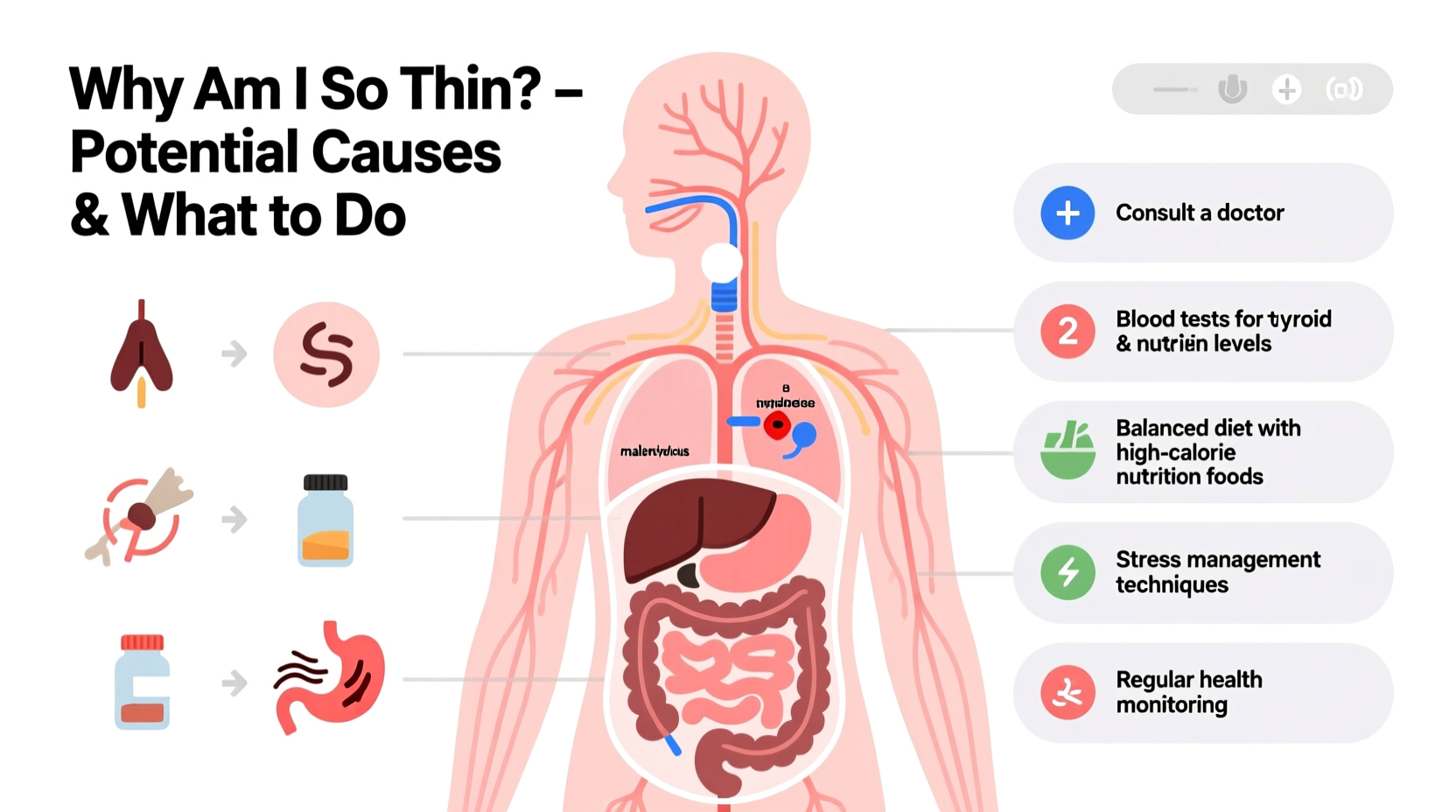
Body weight varies widely among individuals, and what's “normal” depends on age, height, gender, muscle mass, and genetics. The Body Mass Index (BMI) categorizes underweight as below 18.5, but BMI has limitations—it doesn’t distinguish between fat, muscle, and bone density. Some people with high metabolisms or lean builds may fall into this category without health risks. However, unintentional weight loss, fatigue, weakened immunity, or poor nutrient absorption signal that being underweight may be more than just a physique trait.
A healthy weight supports immune function, hormonal balance, bone strength, and energy levels. Chronic underweight status increases risks for osteoporosis, fertility issues, and malnutrition—even if someone appears energetic or active.
Potential Medical Causes of Being Underweight
Not all thinness is lifestyle-driven. Several medical conditions can suppress appetite, impair nutrient absorption, or increase caloric expenditure:
- Hyperthyroidism: An overactive thyroid speeds up metabolism, leading to rapid calorie burn, weight loss, anxiety, and increased heart rate.
- Type 1 Diabetes: Unexplained weight loss often precedes diagnosis due to the body breaking down fat and muscle for energy when insulin is lacking.
- Gastrointestinal Disorders: Conditions like celiac disease, Crohn’s disease, or chronic pancreatitis interfere with nutrient absorption.
- Parasitic Infections: Intestinal worms such as tapeworms or giardia consume nutrients meant for the host.
- Cancer: Certain cancers cause cachexia—a metabolic syndrome involving muscle wasting and weight loss even with adequate intake.
- Chronic Infections: Tuberculosis and HIV can lead to prolonged weight loss due to increased energy demands and reduced appetite.
“Persistent thinness despite adequate eating should prompt medical evaluation. It could be a sign of an underlying condition that needs treatment.” — Dr. Lena Torres, Internal Medicine Specialist
When to Seek Medical Advice
Consult a healthcare provider if you experience:
- Unintentional weight loss of more than 5% of your body weight in 6–12 months
- Frequent fatigue, dizziness, or cold intolerance
- Changes in bowel habits, persistent nausea, or abdominal pain
- Irregular periods or loss of libido
Genetic and Metabolic Factors
Some people are genetically predisposed to a fast metabolism and narrow frame. Research shows heredity accounts for 40–70% of variation in BMI. Individuals with a family history of slim builds often struggle to gain weight regardless of food intake.
The concept of a “set point” theory suggests the body regulates weight around a biologically predetermined range. For naturally thin individuals, this set point may be low, making sustained weight gain difficult without consistent intervention.
Tip: Track your daily calorie intake for one week using a food diary app. Many underweight individuals underestimate how few calories they actually consume.Lifestyle and Behavioral Influences
Even without medical issues, certain habits contribute to low body weight:
- High physical activity without sufficient fueling: Runners, cyclists, or fitness enthusiasts may burn more than they eat.
- Poor appetite or irregular eating patterns: Skipping meals, emotional stress, or disordered eating behaviors reduce overall intake.
- Dietary restrictions: Vegan, vegetarian, or highly processed-food-avoidant diets may lack calorie density if not well-planned.
- Stress and anxiety: These can suppress appetite through hormonal changes involving cortisol and adrenaline.
Mini Case Study: Alex’s Experience
Alex, a 28-year-old software developer, was consistently under 130 pounds at 5'10\". Despite eating three meals a day, he couldn’t gain weight. After blood work, his doctor diagnosed mild hyperthyroidism. Once treated with medication, his metabolism stabilized. Combined with strength training and increased calorie intake, he gained 12 pounds over six months—proving that identifying the root cause was key to progress.
What You Can Do: A Step-by-Step Guide to Healthy Weight Gain
Gaining weight healthfully requires more than just eating more junk food. Focus on nutrient-dense, calorie-rich foods and structured routines.
- Calculate your maintenance calories: Use an online TDEE (Total Daily Energy Expenditure) calculator. To gain weight, consume 300–500 calories above this number daily.
- Increase meal frequency: Eat 5–6 smaller meals instead of 3 large ones if appetite is limited.
- Choose calorie-dense foods: Add nuts, seeds, nut butters, avocados, whole grains, full-fat dairy, olive oil, and dried fruits to meals.
- Strength train 3–4 times per week: Resistance exercise promotes muscle growth rather than fat accumulation.
- Track progress weekly: Weigh yourself once a week at the same time and adjust intake based on results.
- Stay consistent: Gaining weight takes time. Aim for 0.5–1 pound per week for sustainable results.
Sample High-Calorie Snack Ideas
| Snack | Calories (approx.) | Key Nutrients |
|---|---|---|
| 2 tbsp peanut butter + banana | 300 | Protein, healthy fats, potassium |
| 1 cup whole milk + 1 scoop whey protein | 350 | Calcium, complete protein |
| Handful of mixed nuts (1/4 cup) | 200 | Healthy fats, magnesium |
| Avocado on whole-grain toast | 280 | Fiber, monounsaturated fats |
| Granola with Greek yogurt | 320 | Probiotics, complex carbs |
Do’s and Don’ts of Healthy Weight Gain
| Do | Don’t |
|---|---|
| Focus on whole, nutrient-rich foods | Rely on sugary snacks and fast food |
| Drink calories via smoothies or shakes if solid food is hard to eat | Drink water right before meals (can reduce appetite) |
| Combine protein and carbs post-workout | Overtrain without adequate recovery |
| Get enough sleep (7–9 hours) | Ignore signs of digestive discomfort or fatigue |
| Work with a dietitian for personalized plans | Compare your progress to others |
FAQ
Can being too thin affect fertility?
Yes. In both men and women, low body weight can disrupt hormone production. Women may experience amenorrhea (loss of periods), while men might have reduced testosterone levels, affecting sperm quality.
Is it possible to be thin and still malnourished?
Absolutely. Someone may eat enough volume but lack essential micronutrients like iron, vitamin D, zinc, or B12. This is known as “hidden hunger” and can lead to anemia, weak immunity, and poor concentration.
How long does it take to gain weight healthily?
With consistent effort, noticeable changes occur in 4–8 weeks. Sustainable gains average 0.5 to 1 pound per week. Patience and routine are crucial—rapid weight gain often leads to fat accumulation rather than muscle.
Action Checklist: Steps to Take Now
- ✅ Schedule a physical exam and blood panel (thyroid, CBC, glucose, vitamin levels)
- ✅ Log your food intake for 3–7 days using MyFitnessPal or Cronometer
- ✅ Calculate your TDEE and add 300–500 extra calories daily
- ✅ Incorporate strength training 3x/week (bodyweight or weights)
- ✅ Add two high-calorie snacks to your current routine
- ✅ Consult a registered dietitian specializing in weight gain
Conclusion
Being thin isn’t inherently unhealthy—but if it’s unintentional, persistent, or accompanied by symptoms, it warrants attention. Whether the cause is genetic, metabolic, or medical, the path forward begins with awareness and action. Small, consistent changes in nutrition, exercise, and lifestyle can shift the balance toward a stronger, more resilient body. Don’t dismiss your concerns because “some people are just built that way.” Your health deserves deeper inquiry and care.
🚀 Ready to take control of your health? Start today by tracking your food, scheduling a check-up, and committing to one new habit. Share your journey in the comments—your story could inspire someone else to seek answers.








