
Laos, officially the Lao People's Democratic Republic, is a landlocked Southeast Asian nation known for its lush landscapes, Buddhist temples, and laid-back culture. While it remains a relatively peaceful destination, international governments occasionally issue travel advisories or consider restrictions due to political instability, health concerns, or security risks. Understanding the reasons behind a potential Laos travel ban or advisory is essential for travelers planning trips to the region, as well as for businesses and aid organizations operating there.
Unlike more frequently visited neighbors like Thailand or Vietnam, Laos receives fewer tourists, which means infrastructure and emergency support systems may be limited. This makes government-issued advisories especially critical in guiding safe travel decisions. A travel ban or restriction isn’t always an outright prohibition—it may include warnings, recommended precautions, or limitations on certain regions within the country.
Political Instability and Government Policies
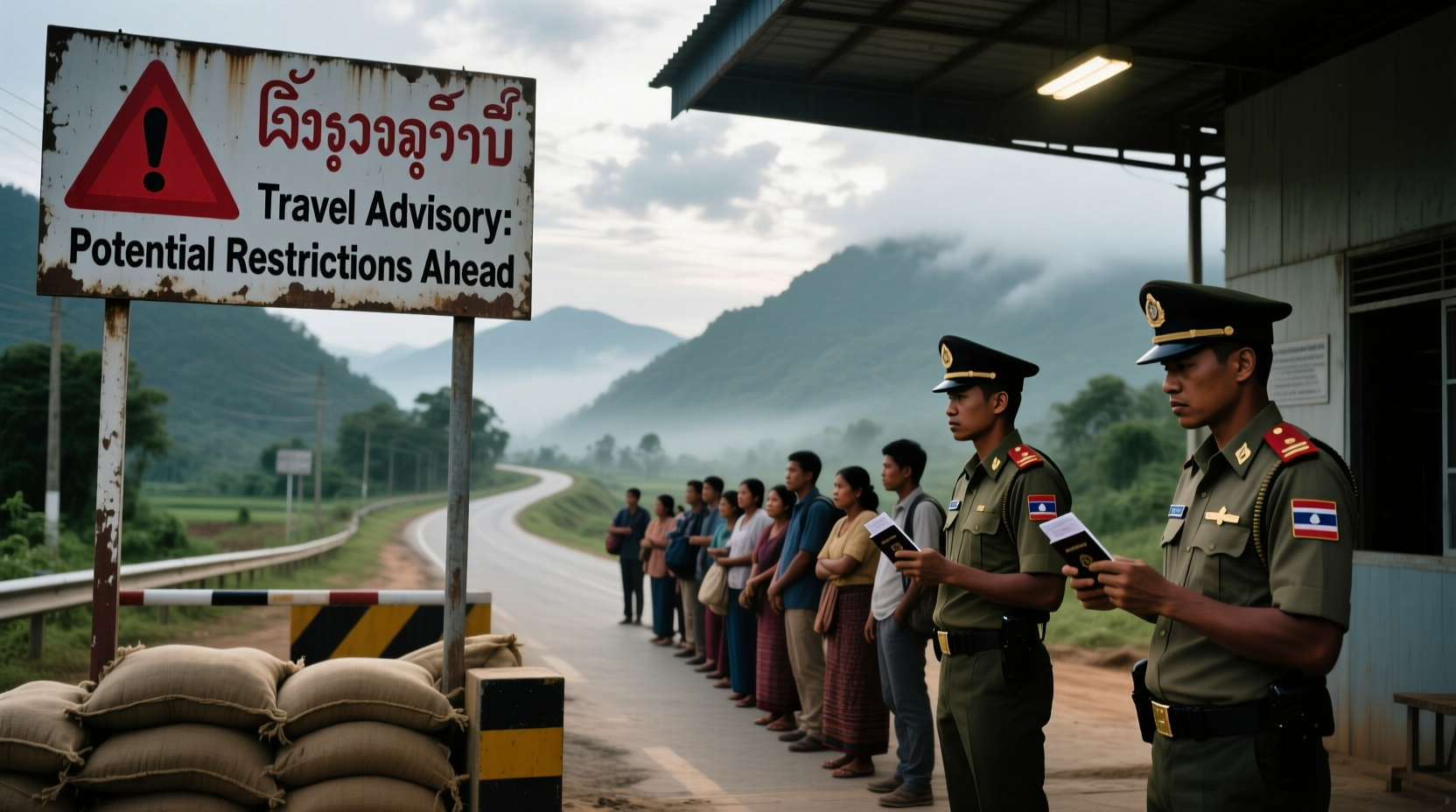
One of the primary reasons for a Laos travel advisory is political instability. The country has been governed by a single-party socialist regime since 1975, with limited political freedoms and strict control over media and civil society. While large-scale unrest is rare, sudden crackdowns on dissent, protests, or foreign journalists can occur without public warning.
In recent years, neighboring countries’ geopolitical tensions have also influenced regional stability. For example, increased Chinese investment in infrastructure projects across Laos—part of China’s Belt and Road Initiative—has raised concerns about sovereignty and economic dependency. Some Western governments monitor these developments closely, adjusting travel advice accordingly.
“Travelers should remain aware that political demonstrations, even if peaceful, can be dispersed abruptly and sometimes violently.” — U.S. Department of State Travel Advisory, 2023
Additionally, Laos maintains tight border controls and surveillance on foreigners. Unauthorized travel to rural or ethnic minority regions can result in detention or deportation. Governments may issue advisories urging citizens to register their itineraries with embassies and avoid sensitive areas near borders with Myanmar, China, or Vietnam.
Tip: Always check your government’s latest travel advisory before booking flights or accommodations in Laos.Public Health Concerns and Disease Outbreaks
Health-related travel restrictions are another common reason for advisories. Laos has faced recurring outbreaks of dengue fever, malaria, and leptospirosis—especially during the rainy season (May to October). In 2023, the World Health Organization reported rising cases of dengue across Vientiane and Luang Prabang, prompting several European nations to update their health guidance for travelers.
The country’s healthcare system is underdeveloped outside major cities. Hospitals in rural areas often lack basic supplies, trained staff, and intensive care units. Evacuation to Thailand or Singapore for serious medical treatment can be costly and logistically complex.
Pandemics also play a role. During the height of the COVID-19 crisis, Laos closed its borders for nearly two years, allowing only repatriation flights and essential diplomatic traffic. Reopening was gradual, with mandatory quarantines and vaccination requirements lingering into 2022.
| Health Risk | High-Risk Areas | Recommended Precautions |
|---|---|---|
| Dengue Fever | Vientiane, Champasak, Bolikhamxai | Use mosquito repellent, wear long sleeves, avoid dusk/dawn outdoor activity |
| Malaria | Rural southern provinces | Take prophylaxis, sleep under treated nets |
| Foodborne Illness | Nationwide, especially street food | Drink bottled water, avoid raw vegetables, eat hot-cooked meals |
Natural Disasters and Environmental Hazards
Laos is vulnerable to seasonal flooding, landslides, and dam failures—particularly in mountainous and riverine regions. In 2018, the collapse of the Xe-Pian Xe-Namnoy hydropower dam killed dozens and displaced thousands. Such events strain local resources and disrupt transportation networks, including key roads between Pakse and Attapeu.
Floodwaters can contaminate drinking supplies and increase the risk of cholera and hepatitis A. Landslides often block Route 13, the country’s main north-south highway, cutting off access to remote communities. Emergency response capabilities are limited, so foreign governments may advise against non-essential travel during monsoon months.
- Flooding peaks from July to September
- Landslide risk increases after heavy rains
- Remote trekking routes may become impassable
- Bridge collapses have occurred due to erosion
Security and Crime Risks
While violent crime against foreigners is uncommon, opportunistic theft—especially in tourist hubs like Luang Prabang and Vang Vieng—is on the rise. There have been reports of drink spiking, scams involving fake tour operators, and motorbike rental fraud. In some northern provinces, unexploded ordnance (UXO) from the Vietnam War era still poses a danger, particularly in Xieng Khouang and Saysomboune.
Drug enforcement is extremely strict. Possession of even small amounts of narcotics can lead to lengthy prison sentences. In 2022, a British national was sentenced to five years for carrying CBD oil without proper documentation—a reminder that travelers must research Laos’ stringent drug laws thoroughly.
“Laos enforces zero tolerance on drugs. What may be legal elsewhere could land you in prison here.” — UK Foreign Office Travel GuidanceTip: Carry copies of medication prescriptions and verify legality of all substances with Laotian authorities before entry.
Step-by-Step Guide: Responding to a Laos Travel Advisory
If your government issues a new advisory or restriction for Laos, follow this timeline to ensure safety and compliance:
- Monitor official sources: Check updates from your country’s foreign ministry (e.g., U.S. State Department, UK FCDO, Australia DFAT).
- Review your itinerary: Avoid regions flagged as high-risk, such as border zones or areas affected by flooding.
- Contact your airline and insurer: Confirm whether cancellations or rerouting are covered under your policy.
- Register with your embassy: Enroll in location-based alert systems if available.
- Adjust plans proactively: Postpone non-essential travel if Level 3 (Reconsider Travel) or Level 4 (Do Not Travel) is advised.
- Prepare emergency contacts: Save local emergency numbers and nearest consulate details.
Mini Case Study: A Traveler’s Close Call During Monsoon Season
In August 2023, Sarah M., a solo traveler from Canada, arrived in southern Laos to visit the Bolaven Plateau. Despite checking weather forecasts, she underestimated the impact of sustained rainfall. After two days of touring coffee farms, a landslide blocked the only road out of Paksong. Local authorities suspended transport, and mobile networks failed.
Sarah had not registered her trip with the Canadian Embassy and carried no satellite communicator. It took 36 hours for rescue teams to restore partial access. She later learned that Australia and the UK had issued temporary advisories against travel to that region just days before her arrival—advisories she hadn’t seen.
This case highlights the importance of real-time monitoring and flexibility. Had Sarah delayed her trip by one week or signed up for travel alerts, she might have avoided the situation entirely.
Checklist: Before Traveling to Laos
- ✅ Check your government’s current travel advisory level
- ✅ Verify visa requirements and entry restrictions
- ✅ Purchase comprehensive travel insurance covering medical evacuation
- ✅ Pack appropriate medications and carry prescriptions
- ✅ Register your trip with your home embassy
- ✅ Avoid restricted or conflict-prone border regions
- ✅ Learn basic Lao phrases for emergencies
- ✅ Share your itinerary with family or friends
Frequently Asked Questions
Can I be banned from entering Laos?
Yes. Laos reserves the right to deny entry to travelers with incomplete documentation, prior deportations, or perceived political sensitivities. Journalists, researchers, and NGO workers are subject to additional scrutiny.
Are there any current travel bans in place?
As of early 2024, no full travel bans exist, but several countries maintain Level 2 advisories (“Exercise Increased Caution”) due to health, crime, and infrastructure concerns. Always consult your national advisory page for real-time updates.
What happens if a travel advisory is issued while I’m in Laos?
Most advisories don’t require immediate departure unless extreme circumstances arise (e.g., coup, natural disaster). However, your government may offer evacuation assistance if conditions deteriorate. Stay informed through embassy alerts and local news.
Conclusion
A Laos travel ban or advisory is typically rooted in legitimate concerns—political caution, health risks, environmental hazards, or security issues. While the country remains open to tourism, being unaware of evolving conditions can put travelers at unnecessary risk. Staying informed, preparing thoroughly, and respecting local laws significantly reduce those risks.
💬 Have you traveled to Laos recently? Share your experience or advice with others planning a trip—your insights could help someone make a safer journey.








