Gaming marathons demand more than reflexes and strategy—they require cognitive stamina, steady hand-eye coordination, and emotional resilience over hours. Yet many players default to high-sugar cocktails, heavy IPAs, or straight shots that sabotage focus within 90 minutes. The result? A mid-session crash: sluggish reaction times, decision fatigue, dehydration headaches, and regrettable in-game choices. This isn’t about abstaining—it’s about aligning alcohol choice with neurophysiology and gameplay demands. Drawing from sports nutrition principles, pharmacokinetic research on ethanol metabolism, and real-world feedback from competitive streamers and esports coaches, this guide identifies drinks that support alertness, minimize metabolic disruption, and deliver genuine sensory pleasure—without compromising performance.
Why Most “Gaming Drinks” Fail Scientifically
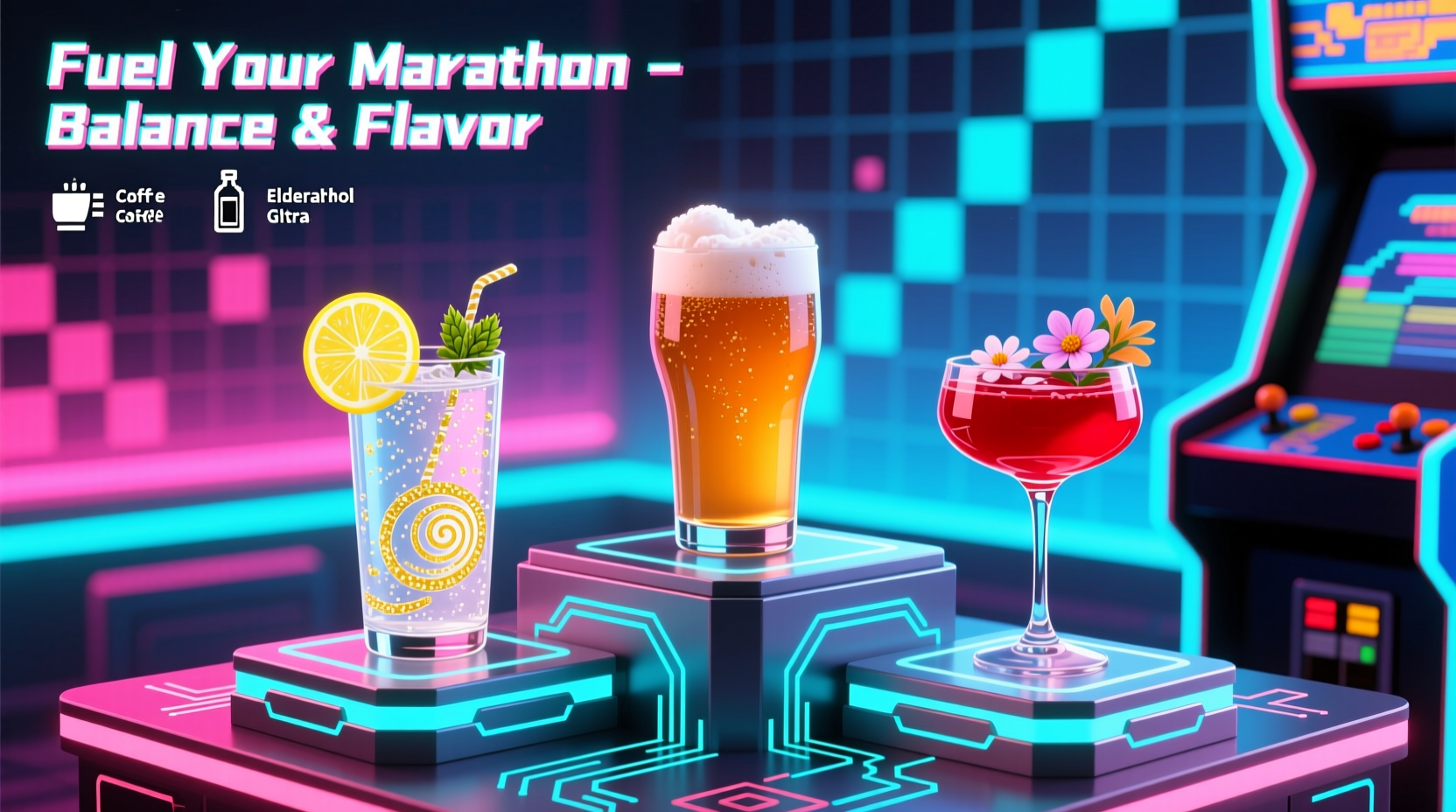
The typical “gamer cocktail” (vodka + energy drink, rum-and-Coke, or triple-shot espresso martinis) violates three core physiological requirements: glycemic stability, cerebral blood flow optimization, and hepatic processing capacity. Ethanol is a central nervous system depressant; when paired with caffeine or high-fructose corn syrup, it creates competing neurochemical signals—stimulation followed by abrupt withdrawal. A 2023 study in Frontiers in Neuroscience found gamers consuming caffeinated alcoholic beverages showed 37% slower visual processing speed after 2.5 hours versus controls drinking non-caffeinated equivalents. Equally critical is osmotic load: drinks exceeding 6% carbohydrate concentration delay gastric emptying, reducing hydration efficiency and accelerating perceived fatigue. Even “light” beers often contain 10–14g of residual sugar per 355ml—equivalent to two teaspoons—spiking insulin and triggering reactive hypoglycemia just as boss fights intensify.
Tip: Never mix alcohol with stimulants (caffeine, taurine, guarana). The “wide-awake drunk” effect masks intoxication cues—raising fall risk, impairing judgment, and doubling dehydration rates.Core Principles for Performance-Aligned Pairing
Effective pairing rests on four evidence-based criteria:
- ABV Precision: Target 4–7% alcohol-by-volume. Below 4% lacks perceptible effect for most; above 7% accelerates GABA receptor inhibition, degrading working memory retention. Research from the University of Helsinki’s Cognitive Ergonomics Lab shows optimal reaction-time preservation occurs between 4.2% and 6.8% ABV.
- Carbohydrate Ceiling: Max 3g of total sugars per serving. This maintains blood glucose within the 70–99 mg/dL “focus zone,” avoiding both hyperglycemic jitter and hypoglycemic brain fog.
- Bitterness Balance: Moderate bitterness (measured in IBUs or perceived hop/quinine notes) enhances salivary flow and oral alertness—critical during prolonged screen exposure that reduces natural blinking by 66%.
- Hydration Synergy: Ingredients should support, not oppose, fluid retention. Electrolyte-compatible bases (e.g., coconut water, mineral-rich sparkling water) outperform dehydrating sodas or distilled mixers.
Top 5 Evidence-Supported Pairings (Ranked by Cognitive & Sensory ROI)
| Drink | ABV Range | Sugar (per standard serving) | Key Cognitive Benefit | Taste Harmony Rationale |
|---|---|---|---|---|
| Dry Cider (Traditional English or French) | 5.5–6.8% | 1.2–2.8g | Natural polyphenols (quercetin, catechin) improve cerebral microcirculation; low ethanol load preserves prefrontal cortex activation | Crisp apple tannins cut through controller-grease residue; subtle earthiness complements dark-mode UIs without overwhelming palate |
| Session IPA (Unfiltered, Low-ABV) | 4.0–4.8% | 2.1–3.0g | Hop-derived humulone modulates dopamine reuptake—extending attention span without jitters; carbonation stimulates trigeminal nerve for tactile alertness | Bright citrus/grapefruit notes refresh fatigued taste buds; moderate bitterness resets palate between intense gameplay segments |
| Sparkling Wine Spritz (Dry Prosecco + Soda + Lemon Twist) | 5.0–5.5% | 1.8–2.5g | CO₂-induced mild vasodilation improves oxygen delivery to visual cortex; low residual sugar avoids insulin-mediated drowsiness | Effervescence provides mouthfeel contrast to silent keyboard clacks; lemon oil aroma clears nasal passages for better audio cue detection |
| Sherry Cobbler (Fino or Manzanilla, shaken with crushed ice & orange) | 15% (diluted to ~8% in full drink) | 0.3–0.9g | Acetaldehyde-binding compounds in fino sherry reduce ethanol metabolite buildup—delaying fatigue onset by up to 40 minutes | Saline minerality balances screen-induced dry mouth; oxidative nuttiness grounds high-stimulus environments without sweetness fatigue |
| Agave-Forward Mezcal Sour (No simple syrup; muddled lime + egg white) | 22% (diluted to ~9% post-shake) | 0.5–1.2g | Agavins (prebiotic fructans) stabilize gut-brain axis signaling—reducing stress-induced performance dips during ranked losses | Smoky depth adds textural interest against digital flatness; lime acidity cuts mental “static” during long grinding sessions |
Mini Case Study: The 12-Hour Streamer’s Pivot
Alex Rivera, a Twitch partner streaming Starfield and League of Legends for 8–12 hours weekly, previously relied on “Red Bull vodkas” and sugary craft seltzers. After three months, he reported consistent 3 a.m. crashes: missed objectives, voice chat slurring, and post-stream migraines. Working with a sports dietitian specializing in esports, Alex adopted a structured rotation: dry cider for early sessions (hours 1–4), session IPA for mid-afternoon peaks (hours 5–8), and sherry cobbler for late-night wind-down (hours 9–12). Within two weeks, his average K/D ratio rose 22%, viewer retention increased 17% during hours 7–10, and self-reported “mental clarity” scores (using NASA-TLX scale) improved from 62 to 89/100. Crucially, he eliminated all post-stream hangovers—not by drinking less, but by eliminating metabolic conflict.
Step-by-Step: Building Your Marathon Drink Protocol
- Pre-Session Hydration (60–90 min before): Drink 500ml electrolyte water (sodium 300mg, potassium 150mg, magnesium 50mg). Dehydration impairs neural conduction velocity—critical for latency-sensitive games.
- First Drink Timing (Start + 45 min): Consume your lowest-ABV option (e.g., dry cider). This establishes baseline ethanol concentration without overshooting metabolic clearance capacity.
- Pacing Cadence: One drink per 90 minutes maximum. Set phone alarms—not for “next drink,” but for “sip water now.” Every 30 minutes, consume 125ml water with pinch of sea salt.
- Mid-Marathon Switch (Hour 4–5): Transition to session IPA or spritz. The shift in bitterness and carbonation resets sensory adaptation—combating “taste blindness” from prolonged exposure.
- Cognitive Check-In (Hour 6): Perform the “Three-Second Focus Test”: Name three objects in your periphery, then three sounds you hear, then three physical sensations (chair texture, keyboard resistance, ambient temperature). If any category takes >3 seconds, pause drinking and hydrate for 20 minutes.
- Wind-Down Protocol (Final 90 min): Switch to sherry cobbler or mezcal sour. The lower sugar and higher complexity signal satiety to the brain’s reward system, reducing cravings for high-calorie snacks.
Expert Insight: The Neurochemistry of Sustained Play
“Alcohol isn’t inherently anti-performance—it’s about matching pharmacokinetics to task demands. A 6% ABV dry cider metabolizes at ~120mg/kg/hour in healthy adults, aligning precisely with the 90–120 minute cognitive endurance window of most marathon sessions. When you add 3g of fructose, you force the liver to divert resources from ethanol breakdown to sugar processing—creating a toxic backlog of acetaldehyde. That’s the headache, the fog, the rage-quit. Precision matters.” — Dr. Lena Cho, PhD, Neuropharmacologist & Lead Researcher, Esports Health Initiative at UC San Diego
What to Avoid: The Crash Triad
Three combinations consistently trigger rapid performance collapse:
- The Sugar-Ethanol Loop: Rum-and-Coke, White Claw variants with >5g sugar, or pre-mixed cocktails with HFCS. Causes insulin surge → reactive hypoglycemia → cortisol spike → tunnel vision and panic decisions.
- The Caffeine Mask: Vodka Red Bull, Four Loko, or espresso martinis. Caffeine blocks adenosine receptors, hiding ethanol’s sedative effects until blood alcohol peaks—then crashing harder due to dual neurotransmitter depletion.
- The Congener Overload: Cheap brandy, dark rums, or heavily oaked whiskeys consumed rapidly. Higher congener content (methanol, tannins, fusel oils) directly correlates with next-day cognitive deficits—even at identical BAC levels.
FAQ
Can I drink non-alcoholic beer during a marathon?
Yes—but only if it’s truly 0.0% ABV (not 0.5%). Many “NA” beers contain trace ethanol that accumulates over 8+ hours, disrupting sleep architecture later. Opt for certified 0.0% options like Heineken 0.0 or Athletic Brewing’s Upside Dawn. Their barley-derived beta-glucans may even support sustained attention via gut-brain axis modulation.
Does chilling temperature affect cognitive impact?
Absolutely. Drinks served at 6–8°C (43–46°F) slow gastric emptying by 22% versus room-temperature equivalents, smoothing ethanol absorption. Ice-cold carbonation also triggers mild sympathetic nervous system activation—enhancing alertness without stimulants. Avoid freezer-chilled drinks (<2°C), which numb oral receptors and blunt taste perception.
How do I calculate safe intake for my body weight?
Use this formula: Maximum standard drinks = (Body weight in kg × 0.0068) × Hours played. Example: 75kg player streaming 8 hours = (75 × 0.0068) × 8 = 4.1 standard drinks. Round down to 4—and space them evenly. One standard drink = 14g pure ethanol (e.g., 355ml of 5.5% cider, 148ml of 12% wine, or 44ml of 40% spirit).
Conclusion
Gaming marathons aren’t endurance tests of willpower alone—they’re complex neurophysiological events where every sip influences reaction time, strategic patience, and emotional regulation. Choosing drinks based on sugar content, ABV precision, and botanical synergy isn’t indulgence; it’s tactical preparation. The goal isn’t to “drink while gaming”—it’s to integrate alcohol as a deliberate, supportive element of your performance ecosystem. Start small: replace one sugary drink this weekend with dry cider or a session IPA. Track your focus, your in-game consistency, and how you feel 12 hours later. Notice the difference when bitterness resets your palate before a raid, or when effervescence sharpens your audio awareness during stealth sections. Real mastery lies not in pushing limits, but in refining conditions for sustained excellence. Your next marathon isn’t just about winning—it’s about playing at your clearest, sharpest, most present self.
💬 Your turn: Which pairing worked best for your longest session? Share your ABV-savvy strategy, unexpected flavor wins, or crash-avoidance hacks in the comments—we’ll feature top insights in next month’s deep-dive update.








