
Volleyball is a dynamic sport that demands explosive movements, rapid direction changes, and constant physical engagement. As athletes push their limits, proper athletic wear becomes more than just style—it’s a functional necessity. One piece of gear increasingly common on courts worldwide is volleyball leggings. Whether worn under shorts or as standalone apparel, these compression-style garments serve multiple roles beyond aesthetics. From enhancing muscle support to regulating body temperature, volleyball leggings have become an essential part of modern player attire.
Muscle Support and Performance Enhancement
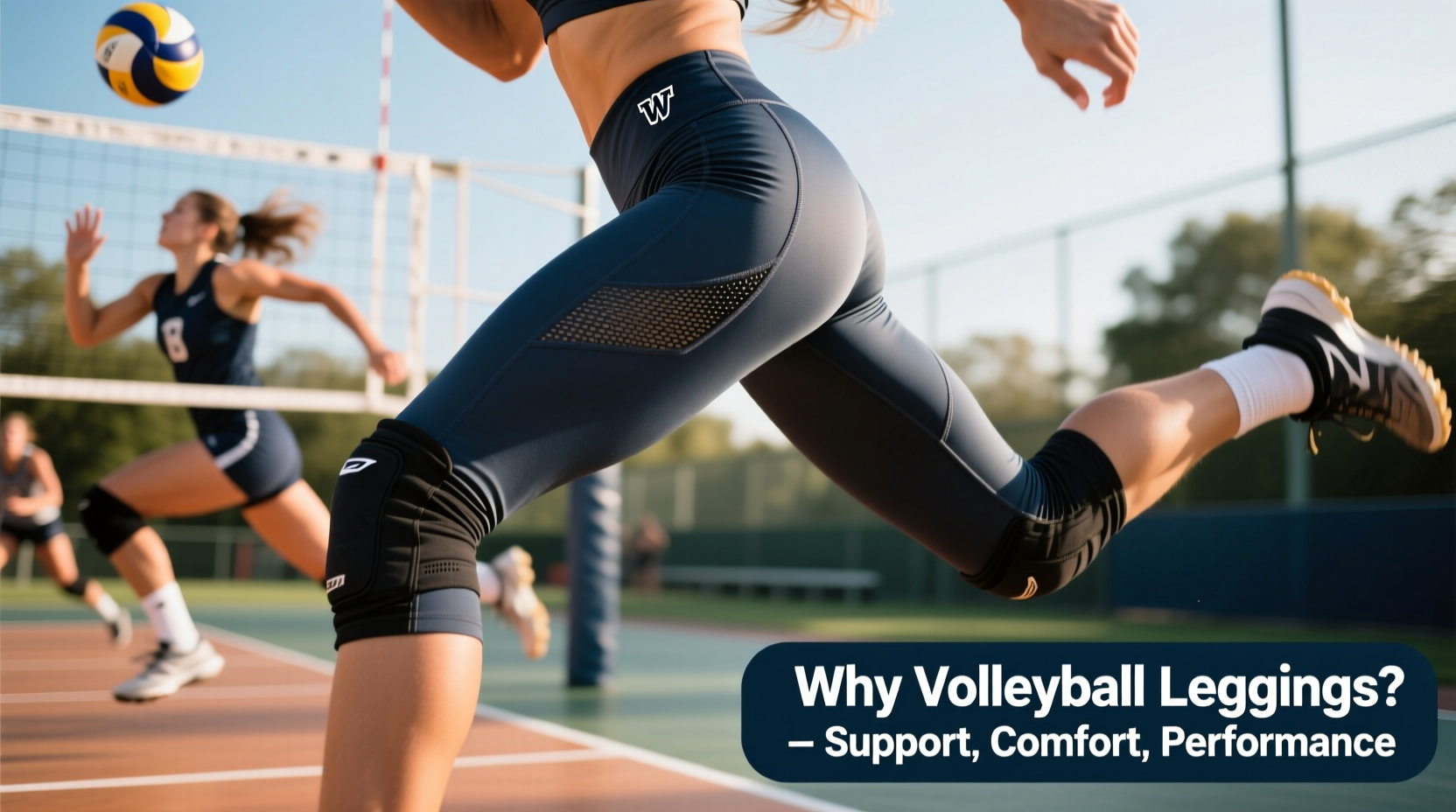
One of the primary reasons volleyball players choose leggings is for the muscular support they provide. Designed with targeted compression zones, these garments apply gentle pressure to key muscle groups such as the quadriceps, hamstrings, and calves. This compression helps improve blood circulation, which in turn delivers more oxygen to working muscles during intense rallies and long matches.
Improved circulation not only delays fatigue but also supports faster recovery between sets. Studies have shown that athletes wearing compression garments report reduced perceived exertion and less post-game soreness. For volleyball players who jump repeatedly and land with high impact, this can mean the difference between sustained peak performance and early burnout.
“Compression leggings help stabilize major leg muscles during vertical jumps and lateral movements, reducing micro-tears and improving neuromuscular efficiency.” — Dr. Lena Torres, Sports Biomechanist
Injury Prevention and Joint Protection
The stop-and-go nature of volleyball places significant stress on joints, particularly the knees and ankles. Leggings made from high-performance fabrics often include reinforced panels or moisture-wicking materials that help maintain optimal joint temperature. Warm muscles and tendons are more elastic and less prone to strains or pulls.
Beyond thermal regulation, many volleyball leggings feature anatomical stitching that aligns with natural muscle movement. This design reduces friction and minimizes chafing during dives and rolls—common maneuvers in defensive play. Additionally, some advanced models incorporate mild proprioceptive feedback, subtly reminding players of limb positioning, which can reduce awkward landings and non-contact injuries.
Tip: Choose leggings with flatlock seams to prevent skin irritation during extended gameplay or practice sessions.Comfort, Fit, and Freedom of Movement
Modern volleyball leggings are engineered for mobility. Constructed from four-way stretch fabrics like nylon-spandex blends, they move seamlessly with the body through every spike, block, and roll. Unlike traditional cotton pants, which can restrict motion and retain sweat, performance leggings offer flexibility without sacrificing durability.
Players often pair leggings with spandex shorts or wear them alone depending on league regulations and personal preference. The snug fit ensures no shifting or bunching during quick transitions, allowing athletes to focus entirely on the game. Breathable mesh zones in high-heat areas (like behind the knees or along the lower back) further enhance ventilation, keeping players cooler during high-intensity intervals.
Key Features That Enhance Comfort
- Moisture-wicking fabric: Pulls sweat away from the skin to keep players dry.
- Wide waistbands: Prevent digging and provide abdominal support.
- Anti-odor technology: Inhibits bacterial growth for freshness over long tournaments.
- UV protection: Useful for outdoor beach volleyball play.
Thermal Regulation Across Environments
Volleyball is played in varied environments—from air-conditioned indoor arenas to hot, humid beach settings. In colder gyms, thin thermal leggings help retain core leg warmth, preventing stiffness during warm-ups or downtime between sets. On outdoor courts, lightweight, breathable versions protect against sun exposure while still promoting airflow.
This adaptability makes leggings a versatile choice year-round. Players traveling for tournaments appreciate being able to layer or remove garments based on climate without compromising uniform standards. Some elite teams even coordinate leggings with team colors, maintaining a professional appearance while benefiting from performance features.
Comparison: Volleyball Leggings vs. Traditional Shorts
| Feature | Volleyball Leggings | Traditional Volleyball Shorts |
|---|---|---|
| Muscle Support | High – compression enhances circulation | Low – minimal structural support |
| Mobility | Excellent – four-way stretch fabric | Good – but may ride up during play |
| Skin Protection | Full coverage – prevents floor burns and scrapes | Limited – exposed thighs prone to abrasions |
| Temperature Control | Versatile – available in thermal and cooling variants | Poor – limited insulation or breathability options |
| Durability | High – reinforced stitching in stress zones | Moderate – prone to fraying at hems |
Real-World Example: A Collegiate Player’s Experience
Jamal Reed, a Division I setter at a Midwestern university, began wearing compression leggings after suffering recurring hamstring tightness during conference season. Initially skeptical about the added layer, he noticed immediate differences in muscle readiness and reduced cramping during late-night matches.
“I used to tape my legs or wear sleeves, but leggings give consistent support from warm-up to cooldown,” Jamal explained. “After switching, I had zero lower-leg injuries over two seasons—even during back-to-back tournament weekends.” His coach later introduced the option team-wide, citing improved agility test results and fewer soft-tissue complaints.
Actionable Checklist: Choosing the Right Volleyball Leggings
Not all leggings deliver the same benefits. Use this checklist when selecting a pair for training or competition:
- ✅ Confirm fabric is moisture-wicking (look for polyester, nylon, or spandex blends).
- ✅ Check for four-way stretch to ensure unrestricted movement.
- ✅ Look for flatlock seams to minimize chafing.
- ✅ Ensure the waistband stays secure without slipping or pinching.
- ✅ Verify compliance with league dress codes (e.g., color, length, branding).
- ✅ Test range of motion by simulating jumps, squats, and dives before purchase.
- ✅ Opt for antimicrobial treatment if playing multi-game events.
Frequently Asked Questions
Do volleyball leggings actually improve jumping ability?
While leggings don’t directly increase vertical leap, they support muscle efficiency and reduce vibration during takeoff and landing. This can lead to more consistent jump performance and quicker recovery between jumps, especially over prolonged play.
Can I wear leggings in official volleyball competitions?
Yes, in most cases. According to FIVB and NCAA guidelines, compression garments are permitted as base layers or outerwear, provided they match team color and do not pose safety risks. Always check with your league coordinator for specific rules.
How should I care for my volleyball leggings to extend their life?
Wash in cold water on a gentle cycle and avoid fabric softeners, which degrade elastic fibers. Air-dry whenever possible to preserve shape and compression integrity. Rotate multiple pairs to reduce wear on any single garment.
Final Thoughts and Call to Action
Volleyball leggings are far more than a fashion trend—they’re a strategic tool for enhancing performance, protecting the body, and maintaining comfort under pressure. Whether you're a weekend recreational player or competing at a high level, integrating quality leggings into your kit can make a measurable difference in how you feel and perform on the court.
Don’t overlook the value of well-designed athletic wear. Evaluate your current gear, consider where added support or protection might help, and invest in leggings that meet both functional and regulatory standards. Your muscles—and your game—will thank you.
💬 Have you tried volleyball leggings? Share your experience or tips in the comments below—help fellow players find the best gear for peak performance!








