Denim is more than just a fabric—it’s a cultural staple with deep roots in workwear, rebellion, and self-expression. Over the decades, its evolution has been shaped by changing lifestyles, manufacturing advances, and consumer demands. Today, two dominant styles stand out: vintage-inspired rigid denim and modern stretch blends. While both offer unique benefits, they cater to different priorities—durability and authenticity versus comfort and convenience. Understanding how they differ in comfort, durability, and fit is essential for making informed choices that align with your wardrobe needs and values.
The Rise of Vintage-Inspired Denim
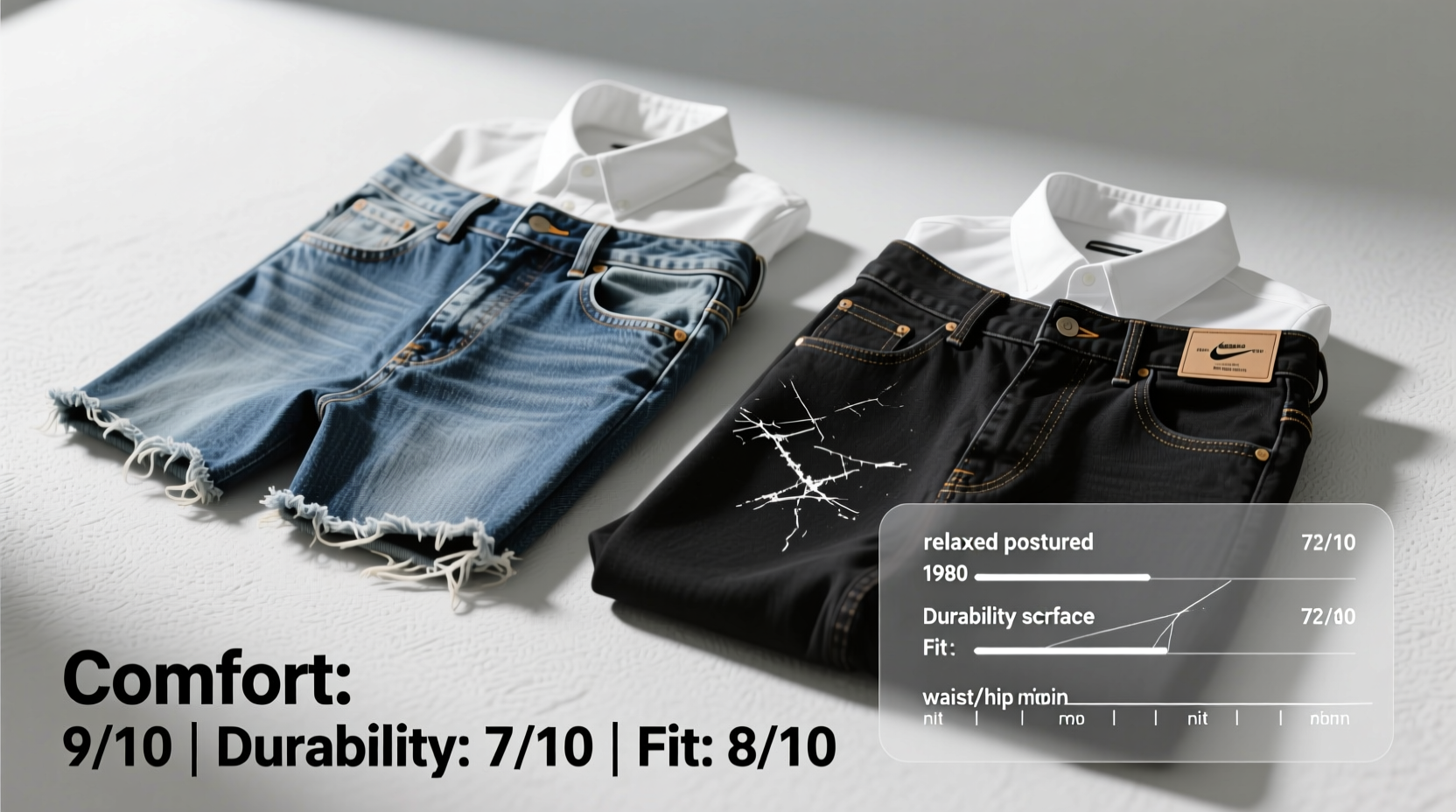
Vintage jeans refer not only to actual secondhand pairs from the 1950s through the 1990s but also to new jeans designed to replicate the look, feel, and construction of older models. These are typically made from 100% cotton or high-cotton blends with little to no synthetic content. They feature rigid, unwashed denim that molds slowly to the wearer over time, creating a personalized fit known as \"fade patterns.\"
One of the defining characteristics of vintage-style denim is its lack of elasticity. This rigidity requires a break-in period—sometimes lasting weeks or months—during which the jeans gradually conform to the body. For enthusiasts, this process is part of the appeal. The resulting fit becomes uniquely theirs, marked by whiskers, honeycombs, and other natural creases formed through daily wear.
“Raw denim isn’t about immediate comfort—it’s about earning your fit. It rewards patience with longevity and character.” — James Lee, Founder of Heritage Denim Co.
Vintage jeans often use selvedge denim, woven on narrow shuttle looms that produce a self-finished edge. This method reduces fraying and is considered a hallmark of quality craftsmanship. Brands like Levi’s Vintage Clothing (LVC), Nudie Jeans, and Flat Head specialize in reproducing classic fits such as straight-leg, bootcut, and slim-tapered silhouettes with attention to period-accurate details like copper rivets, cinch backs, and single-button closures.
Tip: To preserve fade development and extend the life of raw denim, avoid washing for at least 6–12 months unless absolutely necessary.Modern Stretch Denim: Engineered for Comfort
In contrast, modern stretch denim prioritizes ease of movement and instant comfort. Most contemporary jeans contain between 1% and 5% elastane (commonly Spandex or Lycra), sometimes blended with polyester or rayon. This small addition transforms the wearing experience, offering flexibility around the hips, thighs, and waist without requiring a break-in phase.
Stretch denim emerged in response to shifting consumer expectations. As casualization accelerated in workplaces and social settings, people began favoring clothing that moved with them. Athleisure trends further influenced denim design, pushing brands to create jeans that feel almost like leggings but retain the appearance of traditional denim.
Fits have adapted accordingly. Slim, skinny, and jegging styles dominate women’s markets, while men’s lines increasingly feature “athletic taper” or “flex” cuts designed to accommodate broader thighs and narrower ankles. These designs reduce bunching behind the knees and improve overall mobility.
However, this comfort comes at a cost. Elastane fibers degrade over time, especially when exposed to heat, frequent washing, and UV light. As a result, many stretch jeans lose their shape after several months of regular use, leading to sagging knees, baggy seats, and stretched-out waistbands.
Comfort Compared: Immediate Ease vs. Long-Term Adaptation
When comparing comfort, it’s critical to distinguish between short-term and long-term experiences.
- Vintage/Rigid Denim: Stiff upon first wear; may cause discomfort during prolonged sitting or squatting initially. However, once broken in, it moves naturally with the body and avoids excessive stretching.
- Modern Stretch Denim: Soft and flexible from day one. Ideal for active lifestyles, travel, or all-day wear. But repeated stress leads to premature loss of elasticity, reducing support over time.
A 2022 consumer survey by *Textile Review Journal* found that 78% of respondents preferred stretch jeans for daily wear due to perceived comfort, yet 63% admitted replacing them within a year due to fit degradation. Meanwhile, rigid denim owners reported higher satisfaction beyond the 12-month mark, citing improved fit and emotional attachment.
The choice ultimately hinges on personal preference and intended use. If you value low-maintenance comfort and don’t mind rotating your wardrobe frequently, stretch denim may be ideal. If you seek a durable investment piece that evolves with you, vintage-style rigid denim offers unmatched long-term payoff.
Durability: Material Integrity Over Time
Durability is where the gap between vintage and modern denim becomes most apparent.
| Factor | Vintage (100% Cotton) | Modern Stretch (Cotton + Elastane) |
|---|---|---|
| Initial Strength | High – dense weave resists abrasion | Moderate – fibers weakened by blend |
| Lifespan (with care) | 5+ years common | 1–2 years average |
| Resistance to Pilling | Excellent | Poor to moderate |
| Shape Retention | Superior – minimal sagging | Declines over time – prone to bagging |
| Repairability | High – easy to patch, rehem, or tailor | Low – stretch complicates repairs |
Cotton fibers are inherently strong and biodegradable. When tightly woven into raw denim, they resist tearing and can withstand hundreds of wears. In contrast, elastane breaks down under mechanical stress and heat exposure. Washing machines, dryers, and even body heat contribute to fiber fatigue, accelerating wear in high-flex zones like knees and seat.
Moreover, stretch denim is harder to repair. Patching or altering these fabrics often compromises the elastic integrity, leading to uneven tension or visible puckering. Rigid denim, being structurally uniform, accepts patches and alterations seamlessly.
Fit Evolution: Static vs. Dynamic Shaping
Fit behavior differs significantly between the two types:
- Vintage Denim: Starts loose and tightens slightly after initial soak or wash. Then, it molds gradually to the wearer’s posture and habits. The fit improves over time, becoming more comfortable and personalized.
- Stretch Denim: Fits perfectly off the rack but changes negatively over time. Repeated stretching causes permanent deformation, particularly in seated positions, leading to an ill-fitting garment later in its life.
A real-world example illustrates this difference:
Mini Case Study: Sarah, a graphic designer, bought two pairs of dark wash jeans—one 100% cotton raw selvage pair and one 98% cotton/2% spandex “soft flex” pair. After three months of daily wear, the stretch pair showed noticeable knee sag and required constant adjustment. The rigid pair, though stiff at first, now fits like a second skin, with clean fades along her thigh creases. She rotates the vintage pair seasonally and expects to wear it for five years or more.
This pattern is common among long-term denim wearers. While modern jeans deliver instant gratification, their fit deteriorates faster. Vintage-style jeans require patience but reward it with sustained performance.
Environmental and Ethical Considerations
Beyond personal comfort and durability, there are broader implications to consider. Fast fashion relies heavily on stretch denim because it appeals to mass consumers seeking trendy, affordable options. However, shorter lifespans mean more frequent replacements, contributing to textile waste.
In contrast, rigid denim aligns better with slow fashion principles. Durable construction, timeless cuts, and repair-friendly materials reduce environmental impact per wear. A single pair of well-maintained vintage-style jeans can replace multiple disposable stretch pairs over time.
Brands like Everlane, Outland Denim, and Royál & Co emphasize transparency in sourcing and production, offering rigid denim made with organic cotton and low-impact dyes. These options appeal to eco-conscious consumers who prioritize sustainability alongside quality.
How to Choose Based on Lifestyle
Selecting between vintage and modern denim should reflect your daily routine and values. Use this checklist to guide your decision:
✅ Denim Choice Checklist
- Do you sit for long periods? → Consider moderate stretch (1–2%) for balance.
- Do you value long-term ownership? → Opt for 100% cotton raw denim.
- Are you active throughout the day? → Look for athletic-fit stretch denim.
- Do you want unique fade patterns? → Choose unwashed rigid denim.
- Do you dislike frequent shopping? → Invest in durable vintage-style pairs.
- Is softness key? → Prioritize brushed interiors or lightweight stretch blends.
Care Tips for Maximizing Lifespan
Proper maintenance dramatically affects how both types age:
- Wash Infrequently: Especially for raw denim, spot-clean and air out between wears. Wash only every 3–6 months unless soiled.
- Turn Inside Out: Preserves color and reduces surface abrasion during washing.
- Use Cold Water: Prevents shrinkage and protects elastane fibers in stretch denim.
- Air Dry Only: Heat from dryers damages fibers and accelerates degradation.
- Rotate Pairs: Allowing jeans to rest between wears helps them recover shape.
“The best jeans aren’t the ones that feel good on day one—they’re the ones that still feel good after 300 wears.” — Marcus Reed, Sustainable Fashion Advocate
FAQ
Can I make stretch jeans last longer?
Yes, but with limitations. Reduce washing frequency, avoid dryers, and rotate multiple pairs to minimize strain. However, elastane will eventually degrade, so expect a finite lifespan regardless of care.
Are vintage jeans worth the higher price?
If you plan to wear them regularly for years, yes. High-quality rigid denim costs more upfront but delivers a lower cost-per-wear. Additionally, the emotional and aesthetic value of a well-broken-in pair often exceeds that of disposable alternatives.
Do vintage jeans shrink?
Unwashed (shrink-to-fit) raw denim can shrink 5–10% after the first soak. Pre-shrunk or sanforized denim minimizes this effect. Always check product details before purchase.
Final Thoughts: Balancing Tradition and Innovation
The debate between vintage jeans and modern stretch denim isn’t about declaring a winner—it’s about matching function to lifestyle. Each type serves a purpose. Rigid denim honors tradition, craftsmanship, and sustainability, rewarding wearers with a custom fit and enduring quality. Stretch denim meets the demands of modern living, offering accessibility, comfort, and versatility for dynamic routines.
The smartest approach may be a hybrid wardrobe: keep a few pairs of rigid denim for long-term investment and rotation, and supplement with select stretch styles for high-mobility days. By understanding the trade-offs in comfort, durability, and fit, you gain control over your choices—not just as a consumer, but as a curator of your personal style.
💬 What’s your go-to denim? Do you lean toward vintage authenticity or modern comfort? Share your experience and help others navigate the world of denim with confidence.








