
Selecting the right gym running shoe isn’t just about brand names or flashy designs—it’s about matching performance features to your specific workout style. Whether you’re logging miles on the treadmill, transitioning from cardio to strength circuits, or training for a 5K, your footwear directly impacts comfort, efficiency, and injury prevention. With so many models on the market claiming versatility, it’s essential to understand what truly makes a running shoe effective across multiple gym activities.
The ideal gym running shoe balances cushioning, responsiveness, stability, and durability while adapting to various surfaces and movement patterns. But not all runners have the same needs. A long-distance runner requires different support than someone doing HIIT workouts with lateral cuts and jumps. This guide breaks down how to choose the best versatile running shoes based on your primary fitness objectives, including real-world recommendations, expert insights, and practical checklists to simplify your decision.
Understanding Your Fitness Goals and Foot Mechanics
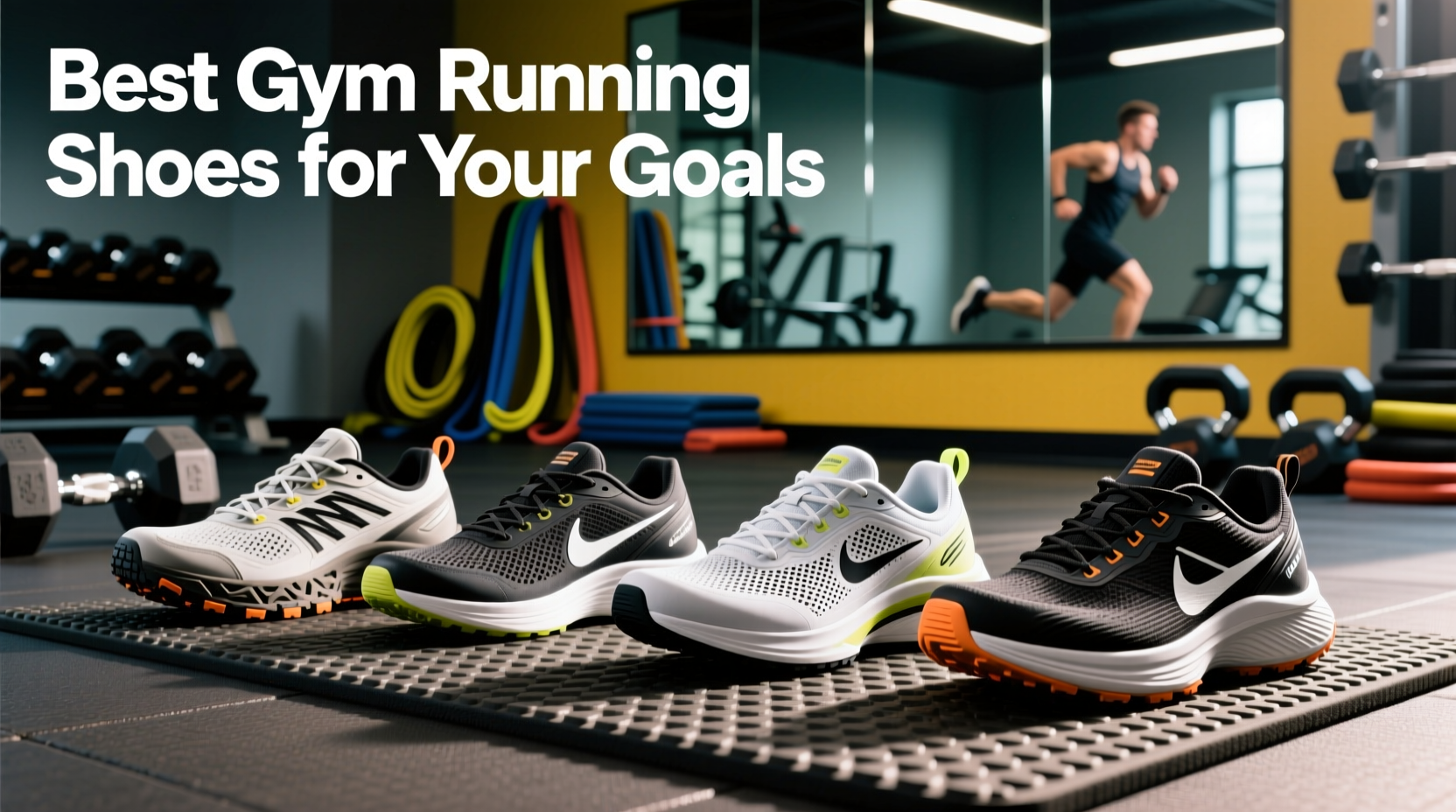
Your workout routine should dictate your shoe choice more than trends or marketing claims. Start by evaluating your typical weekly regimen:
- Are most of your runs over 3 miles?
- Do you frequently switch between treadmills, outdoor pavement, and indoor courts?
- Do your workouts include plyometrics, agility drills, or weightlifting?
- Have you experienced shin splints, plantar fasciitis, or knee discomfort during exercise?
Answering these questions helps determine whether you need maximum cushioning, neutral support, or motion control. For example, high-mileage runners benefit from plush midsoles that absorb impact over time, while cross-training enthusiasts require flatter, more stable soles to handle multidirectional movements safely.
“Footwear is an extension of biomechanics. A mismatch between shoe type and activity increases stress on joints by up to 20%.” — Dr. Lena Torres, Sports Biomechanist at Austin Performance LabTip: Record a short video of yourself running on a treadmill to assess foot strike (heel, midfoot, or forefoot) and arch collapse. This can help identify if you overpronate or need added stability.
Top 5 Versatile Running Shoes by Workout Type
No single shoe excels in every scenario, but several models stand out for their adaptability across common gym routines. Below is a curated list of top performers, categorized by dominant use case.
| Shoe Model | Best For | Cushion Level | Durability (Miles) | Price Range |
|---|---|---|---|---|
| Nike Pegasus 40 | All-around running & light gym work | Medium-High | 400–500 | $100–$130 |
| Brooks Ghost 15 | Long-distance running + daily wear | High | 450–550 | $140–$160 |
| ASICS Gel-Cumulus 25 | Road-to-treadmill transitions | Medium | 400–500 | $130–$150 |
| New Balance Fresh Foam X 880v13 | Comfort-focused runners with mild overpronation | Medium-High | 450+ | $145–$165 |
| Adidas SolarGlide ST 6 | Stability needs with mixed-surface use | Medium | 400–450 | $130–$150 |
The Nike Pegasus series remains one of the most popular “do-it-all” options due to its responsive foam, breathable mesh upper, and reliable traction on both rubberized gym floors and asphalt. Meanwhile, the Brooks Ghost line offers superior longevity and plush landings, making it ideal for those logging consistent mileage without aggressive lateral movements.
Key Features That Define Versatility
A truly versatile gym running shoe must perform reliably beyond straight-ahead running. Look for these critical design elements:
- Midsole Technology: EVA foam, React, Boost, or Fresh Foam provide energy return and shock absorption. Dual-density foams add stability for uneven terrain or sudden stops.
- Outsole Design: Durable rubber with flex grooves enhances grip on smooth surfaces like treadmills and prevents slipping during quick direction changes.
- Upper Construction: Engineered mesh allows breathability while maintaining structure. Reinforced toe caps protect against abrasion from ladders or boxes in circuit training.
- Heel-to-Toe Drop: Ranging from 4mm to 10mm, lower drops promote natural foot motion; higher drops assist heel strikers. An 8mm drop suits most hybrid workouts.
- Weight: Lightweight shoes (<10 oz for men) improve agility, but may sacrifice durability. Balance weight with intended usage frequency.
Real-World Example: How Sarah Upgraded Her Gym Experience
Sarah, a 34-year-old physical therapist, used her old trail runners for everything—from morning jogs to lunchtime boot camps. After two months, she developed persistent Achilles tightness and found herself slipping during side lunges. Upon visiting a specialty running store, she learned her heavily cushioned trail shoes lacked the torsional rigidity needed for gym-based agility drills.
She switched to the Adidas SolarGlide ST 6, which offered structured support and a firmer heel counter. Within three weeks, her form improved, and joint discomfort faded. The new shoe allowed smoother transitions between running intervals and resistance stations, proving that even minor upgrades in functionality yield measurable benefits.
Step-by-Step Guide to Choosing Your Ideal Shoe
- Assess Your Weekly Routine: Track how many days involve running, cross-training, or strength work.
- Determine Your Gait Type: Visit a podiatrist or running store for gait analysis, or conduct a DIY wet test at home.
- Set a Budget: Quality running shoes typically range from $120–$170. Investing in two pairs—one for running, one for lifting—can extend overall lifespan.
- Test Multiple Models: Walk, jog, and simulate squatting motions in-store to evaluate lockdown, flexibility, and balance.
- Break Them In Gradually: Wear new shoes for short sessions first. Avoid wearing them for long runs until your feet adjust.
“Replacing running shoes every 300–500 miles isn’t optional—it’s preventive medicine.” — Coach Marcus Reed, USA Track & Field Certified Trainer
Frequently Asked Questions
Can I use running shoes for weightlifting?
While possible, it’s not ideal. Running shoes have elevated, cushioned heels that reduce stability under heavy loads. For serious lifting, consider flat-soled trainers or dedicated weightlifting shoes. However, if you're doing light dumbbell circuits or bodyweight exercises, a firm-heeled running shoe like the New Balance 880 can suffice.
How do I know when my running shoes need replacing?
Check for visible creasing in the midsole, loss of bounce, or uneven tread wear. If you notice increased fatigue or joint soreness after workouts, it may be time for a new pair—even if they look fine externally.
Are expensive running shoes worth it?
Higher price often reflects advanced materials, extensive testing, and better durability. However, value matters more than cost. A $130 shoe worn 3 times a week will last longer and deliver better ROI than a $180 model used sporadically.
Essential Checklist Before Buying
- ✅ Measure both feet (sizes can differ)
- ✅ Wear the same socks you’ll use during workouts
- ✅ Test shoes on an incline treadmill or ramp
- ✅ Ensure half-thumb width between longest toe and end of shoe
- ✅ Confirm return policy if buying online
- ✅ Verify compatibility with orthotics, if applicable
Final Thoughts: Match Your Shoes to Your Movement
The best gym running shoes don’t promise miracles—they deliver consistency. When your footwear aligns with your goals, every stride feels supported, every transition stays secure, and every rep becomes safer. Don’t settle for generic “cross-trainers” unless they meet actual running demands. Instead, prioritize versatility grounded in function: cushion where needed, stability where required, and durability that keeps pace with your progress.
💬 Ready to find your perfect fit? Share your favorite gym-running hybrid shoe in the comments below and help others discover what works in real-world training.








