Wearing a baseball cap isn’t just about fashion or sun protection—it’s a statement. For fans of America’s pastime, donning the cap of your favorite team is one of the most visible, personal ways to show loyalty. But when you take it a step further and align that cap with a specific player, you transform casual fandom into meaningful support. Whether it’s a rookie phenom or a veteran leader, wearing their number and logo sends a clear message: you’re part of their fanbase. This guide explores how to authentically represent your favorite player through the simple yet powerful symbol of a baseball cap.
The Symbolism Behind the Cap
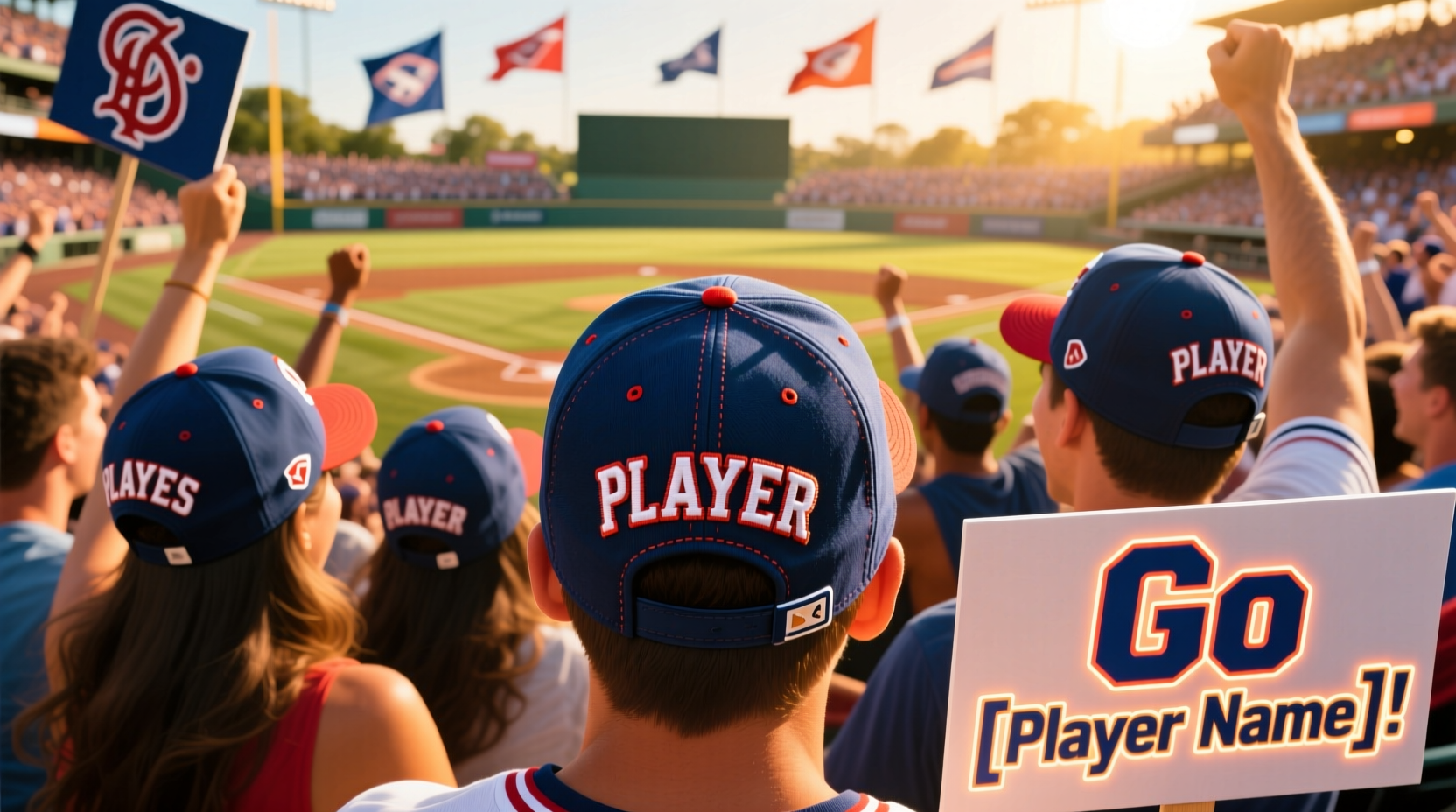
A baseball cap carries more weight than many realize. It's not merely headwear; it’s a cultural artifact steeped in tradition. From Little League dugouts to Major League dugouts, the cap signifies belonging. When personalized with a player’s number or signature design, it becomes an extension of identity—for both the athlete and the fan.
Teams often release special edition caps during milestone seasons, playoff runs, or player anniversaries. These limited releases are more than merchandise—they're collectibles that celebrate individual contributions within a collective sport. Supporting a player this way acknowledges their impact beyond statistics: leadership, perseverance, or community involvement.
“Fans wearing a player’s cap is one of the purest forms of recognition. It means they see you—not just the uniform.” — Marcus Delgado, Sports Sociologist & Author of *Fandom and Identity in American Sports*
Choosing the Right Cap for Your Player
Selecting the right cap involves more than grabbing the first one off the rack. Authenticity matters. Here’s how to ensure your support is genuine and respectful:
- Officially Licensed Gear: Always opt for MLB-licensed merchandise. Look for tags indicating authenticity from brands like New Era or Nike.
- Player-Specific Details: Choose caps featuring the correct team logo, color scheme, and ideally, the player’s number if available.
- Game-Day Accuracy: Some players wear alternate uniforms or throwback designs. Research whether your favorite has a preferred cap style during home games, road trips, or special events.
- Limited Editions: Consider anniversary or player-milestone editions (e.g., “10-Year Career” or “All-Star Starter”) for deeper emotional resonance.
How to Wear the Cap with Purpose
Putting on the cap is only the beginning. How you wear it reflects your intent. A backwards fit might signal youthful enthusiasm, while a classic forward tilt suggests respect for tradition. Here’s a breakdown of intentional styling choices:
| Style | Message Conveyed | Best For |
|---|---|---|
| Forward, structured fit | Respect, tradition, serious fandom | Opening Day, watch parties, visiting stadiums |
| Backward, relaxed fit | Youthful energy, casual support | Casual outings, youth leagues, weekend wear |
| Sideways tilt | Stylish flair, fashion-forward allegiance | Urban settings, concerts, cross-sport events |
| Brim flattened (worn-in) | Loyalty over time, personal attachment | Daily wear, long-term fans |
Regardless of style, consistency builds credibility. Wearing the same player’s cap regularly—especially during key games—creates a recognizable presence among fellow fans and can even attract attention from local sports communities.
Real Fan Story: Standing Out at Fenway
Jamal Carter, a lifelong Red Sox supporter from Boston, began wearing Mookie Betts’ cap during his final season with the team—not because Betts was the star hitter, but because Jamal admired his quiet work ethic and outreach programs for inner-city youth. Even after Betts moved to the Dodgers, Jamal kept wearing the cap to games.
“People would ask me why I still wore it,” he said. “I told them it wasn’t just about where he played now—it was about what he stood for when he was here.”
At a 2023 matchup against the Dodgers, a fan behind him tapped his shoulder. It was Betts’ younger brother, recognizing the vintage cap design. They talked for nearly an inning. That moment reinforced something Jamal already believed: true support transcends trades and transactions.
Etiquette and Best Practices for Player Support
Supporting a player publicly comes with subtle social norms. Being passionate doesn’t mean being disrespectful—especially in mixed-fan environments. Use this checklist to stay grounded in positive fandom:
Checklist: Responsible Fan Support via Cap-Wearing- ✔ Avoid mocking opposing players, even in jest
- ✔ Don’t alter the cap with offensive slogans or symbols
- ✔ Respect stadium rules—some prohibit oversized hats or face coverings
- ✔ Rotate caps occasionally to preserve condition, especially collectibles
- ✔ Engage kindly with fans of other teams; conversations > confrontations
Step-by-Step Guide to Building a Meaningful Cap Collection
If one cap shows support, a curated collection tells a story. Follow this timeline to build a wardrobe of tribute pieces that honor your favorite player across seasons and milestones:
- Step 1: Identify Your Player – Choose someone whose journey resonates with you, not just performance stats.
- Step 2: Research Their Timeline – Note debut year, All-Star appearances, championship wins, or humanitarian efforts.
- Step 3: Acquire a Game-Used Replica – Purchase a cap modeled after what they wore during a pivotal game.
- Step 4: Add Limited Editions – Track official store drops for anniversary or playoff-themed variants.
- Step 5: Personalize Thoughtfully – Consider embroidery of their quote or a significant date—never deface team logos.
- Step 6: Display or Rotate – Keep one for daily wear, another framed with a photo of the player in action.
Frequently Asked Questions
Can I support a player who left my team?
Absolutely. Loyalty isn't bound by roster moves. Many fans continue honoring players who contributed significantly, even after trades or retirements. Just be mindful of context—wearing a former player’s cap during a tense rivalry game may draw reactions.
Is it okay to modify my cap to make it unique?
Minor personalization—like adding a small embroidered patch or initials—is acceptable. However, avoid altering the team logo, player number, or using materials that degrade the cap’s integrity. Remember: modification should enhance respect, not diminish it.
How do I clean and maintain my cap?
Hand wash with mild detergent and cold water. Gently scrub stains with a soft brush, reshape while damp, and air dry away from direct sunlight. Never machine wash or tumble dry—this warps the structure and fades colors.
Conclusion: Wear It With Pride, Not Just Passion
A baseball cap is more than fabric and stitching—it’s a canvas for connection. When you choose to support your favorite player through this iconic piece of gear, you join a lineage of fans who’ve used simplicity to express solidarity. Whether you're cheering from the bleachers or walking through your neighborhood, that cap broadcasts pride, memory, and belief in someone who inspires you.
Don’t just follow the team. Stand behind the individual. Celebrate the moments they made, the challenges they overcame, and the jersey—and cap—they wore with honor.
💬 What player’s cap do you wear with pride—and why? Share your story in the comments and inspire others to celebrate the human side of the game.








