Spending time outdoors during summer—whether hiking, fishing, cycling, or simply walking through a sun-drenched city—requires smart gear choices. Among the most essential yet often overlooked accessories is the humble baseball cap. More than just a fashion statement, the right cap can shield your face and eyes from harsh UV rays, wick away sweat, and enhance comfort during prolonged exposure to heat. However, not all caps are created equal. With countless styles, fabrics, and fits on the market, choosing the ideal one demands more than a casual glance. This guide breaks down every factor that matters when selecting a baseball cap built for real-world summer performance.
Why Your Summer Cap Choice Matters
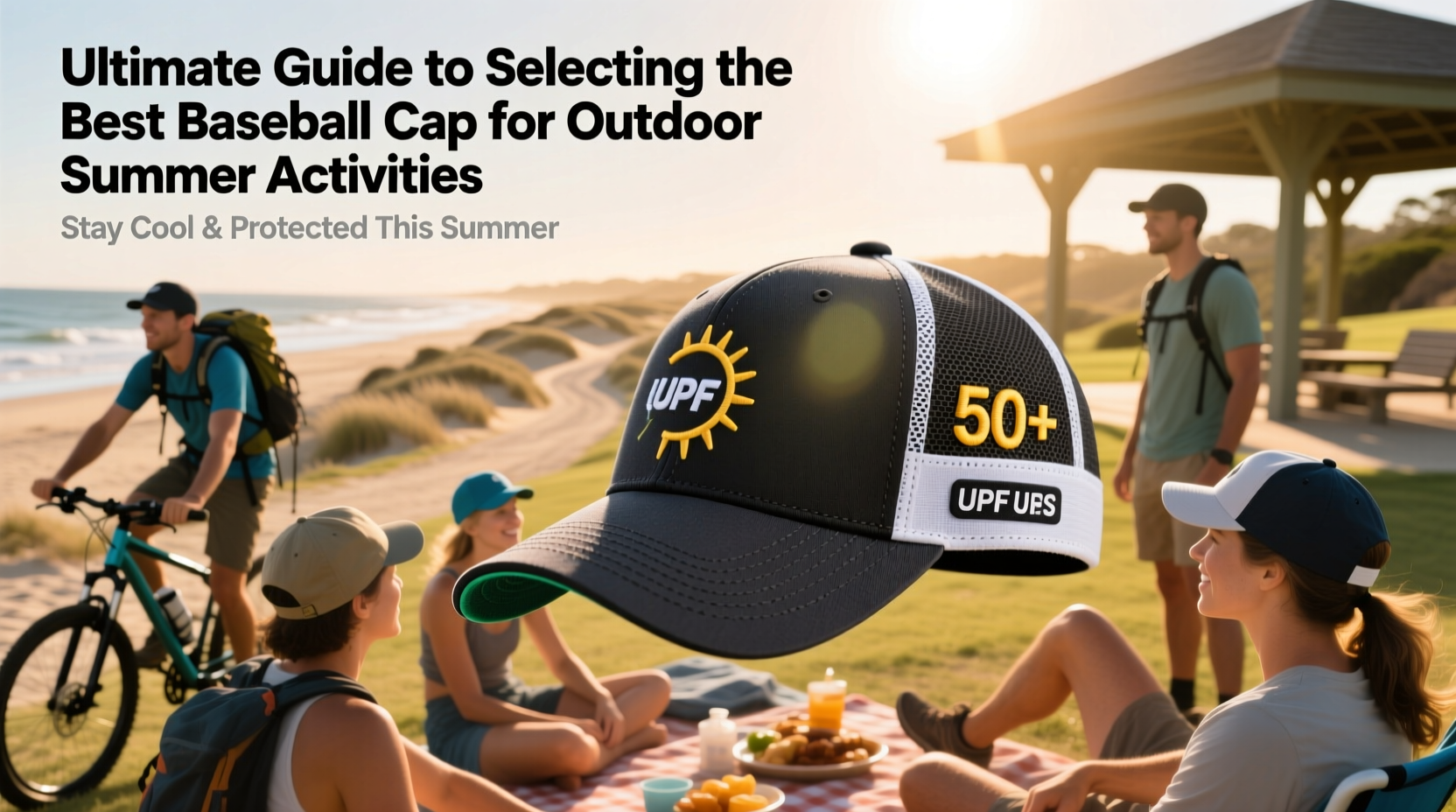
The average person underestimates sun exposure during routine outdoor activities. According to the Skin Cancer Foundation, up to 80% of daily UV radiation reaches the earth even on cloudy days. The face, neck, and ears—areas commonly exposed while wearing a cap—are particularly vulnerable. A well-chosen baseball cap can reduce UV exposure by shielding the forehead, nose, and eyes. But beyond sun protection, breathability, moisture management, and secure fit play crucial roles in preventing discomfort, distraction, and overheating.
“Headwear is one of the most effective but underutilized tools in sun safety. A proper cap with UPF-rated fabric can block over 97% of harmful UV rays.” — Dr. Lena Reyes, Dermatologist & Sun Safety Advocate
Key Features to Look For
When evaluating caps for summer use, prioritize functionality without sacrificing comfort or style. Here are the most important features to consider:
- UPF (Ultraviolet Protection Factor) Rating: Look for caps made with UPF 30+ or higher. Unlike SPF, which measures sunscreen effectiveness, UPF rates fabric’s ability to block UV light.
- Breathable Fabric: Moisture-wicking materials like polyester mesh, nylon, or performance cotton blends help keep your head cool and dry.
- Ventilation Design: Panels with mesh inserts along the sides and back promote airflow, reducing heat buildup.
- Sweat-Wicking Band: An interior band made from antimicrobial, moisture-absorbing material prevents sweat from dripping into your eyes.
- Adjustable Fit: Whether via snapback, strapback, or elastic band, a customizable fit ensures stability during movement.
- Brim Shape and Depth: A curved or semi-flat brim offers better glare reduction than a stiff flat brim, especially during midday sun.
Material Comparison: What Works Best in Heat
Not all fabrics perform equally under summer conditions. Some trap heat; others degrade quickly in sunlight. Below is a comparison of common cap materials based on durability, breathability, and UV resistance.
| Material | Breathability | UV Resistance | Durability | Best For |
|---|---|---|---|---|
| Polyester Mesh | High | High (especially if UPF-treated) | High | Running, hiking, cycling |
| Performance Cotton Blend | Moderate | Moderate | Moderate | Casual walks, beach outings |
| Nylon | Low-Moderate | High (when coated) | Very High | Fishing, boating, high-moisture environments |
| Wool (Summer-Weight) | Moderate | Low-Natural | High | Cooler mornings or variable climates |
| Straw or Woven Fabric | High | Low (unless treated) | Low | Beachwear, fashion-focused use |
For serious outdoor enthusiasts, a cap constructed with a polyester mesh back and a UPF 50+ front panel offers the optimal balance of airflow, protection, and longevity.
Fit and Functionality: Matching Cap Style to Activity
A cap that slips or pinches ruins the experience. Fit affects both comfort and performance. Consider these guidelines based on your primary activity:
- Hiking & Trail Running: Opt for lightweight, low-profile caps with full mesh ventilation and a secure adjustable strap. A longer brim provides extra eye protection on south-facing slopes.
- Cycling: Choose a low-crown cap that fits snugly under a helmet. Avoid bulky designs. Silicone grip strips inside prevent slippage.
- Fishing or Boating: Prioritize wide brims or caps with extended rear flaps to protect the neck. Water-resistant nylon holds up against spray and humidity.
- Urban Exploration: Style meets function here. A structured crown with a classic curve offers sun protection while maintaining a clean look. Snapbacks allow easy adjustments over hats or headphones.
- Gardening or Yard Work: Go for oversized crowns and deep brims. Consider convertible caps with hidden neck capes that deploy when needed.
Real-World Example: Hiking the Grand Canyon Rim Trail
Consider Sarah, an avid hiker preparing for a July trek along Arizona’s South Rim. Temperatures regularly exceed 95°F (35°C), and shade is minimal. She tested three caps: a standard cotton dad hat, a UPF 50+ performance cap with mesh panels, and a straw sun hat. After two hours, the cotton hat absorbed sweat and sagged, offering poor airflow. The straw hat provided shade but offered no UV protection between weaves and collapsed in wind. Only the performance cap kept her cool, dry, and protected. Its sweatband remained intact, and the brim stayed rigid despite gusts. This scenario illustrates why technical design outperforms aesthetics alone in extreme conditions.
Step-by-Step Guide to Choosing Your Ideal Summer Cap
Follow this practical sequence to ensure you select a cap that performs as well as it looks:
- Assess Your Primary Activities: List your top three outdoor pursuits (e.g., running, golfing, biking).
- Determine Environmental Conditions: Will you face direct sun, water, wind, or temperature swings?
- Measure Your Head: Use a soft tape measure around the widest part of your head, just above the ears. Most adults range from 21.5” to 23.5”.
- Select Fit Type: Choose adjustable (snapback/strapback) for flexibility, or fitted if you know your exact size.
- Check Fabric Labels: Prioritize synthetic blends with UPF ratings and mesh ventilation.
- Test for Comfort: Wear the cap indoors for 20 minutes. Check for pressure points, ear pinch, or slippage.
- Evaluate Brim Performance: Hold it under a bright light—does it effectively shade your eyes without obstructing vision?
- Review Care Instructions: Machine-washable caps last longer with regular cleaning. Avoid frequent bleaching or hot drying.
Common Mistakes to Avoid
- Choosing style over substance: A trendy cap with no ventilation will become unbearable after 30 minutes in the sun.
- Ignoring the neck area: Standard caps leave the nape exposed. Consider models with hidden UV flaps.
- Wearing a cap too tight: This restricts blood flow and causes headaches during prolonged wear.
- Using a dirty or worn-out cap: Sweat buildup degrades fabric and reduces UV protection over time.
- Assuming all “sun caps” are equal: Many lack certified UPF ratings. Always verify claims with product details.
Frequently Asked Questions
Can I wear a baseball cap instead of sunscreen?
No. While a cap shields the face and scalp, it doesn’t cover the neck, ears, or back of the neck. Always pair it with broad-spectrum SPF 30+ sunscreen on exposed areas.
How do I clean my performance baseball cap?
Hand wash with mild detergent and lukewarm water. Gently scrub the sweatband, rinse thoroughly, and air dry. Avoid wringing or machine washing unless the label specifies it’s safe.
Are expensive caps worth it for summer use?
Not always—but premium caps often use superior fabrics, ergonomic design, and durable construction. If you spend significant time outdoors, investing in a $25–$35 technical cap pays off in comfort and longevity compared to a $10 generic version.
Final Checklist Before You Buy
- ✅ Does the cap have a UPF 30+ rating or higher?
- ✅ Is the back panel made of breathable mesh?
- ✅ Does the sweatband wick moisture and resist odor?
- ✅ Is the fit adjustable and secure during movement?
- ✅ Does the brim provide adequate eye and nose coverage?
- ✅ Can it be easily cleaned and maintained?
- ✅ Is it suitable for your most common outdoor activity?
Conclusion: Step Into Summer with Confidence
Your choice of baseball cap shouldn’t be an afterthought. In the heat of summer, it becomes a critical piece of protective gear—one that influences comfort, visibility, and even long-term skin health. By focusing on proven features like UPF fabric, ventilation, and ergonomic fit, you transform a simple accessory into a reliable companion for every adventure. Whether you're scaling trails, casting lines, or exploring new cities, the right cap keeps you cooler, safer, and more focused on what matters. Don’t settle for style without substance. Choose wisely, wear it consistently, and make sun-smart habits part of your outdoor routine.
💬 Found your perfect summer cap? Share your go-to brand or feature in the comments—help others beat the heat in style!








