Camouflage patterns have evolved far beyond military utility—they now dominate athletic wear, blending tactical aesthetics with high-performance functionality. A well-chosen camo tracksuit isn’t just about making a visual statement; it’s about enhancing your movement, regulating body temperature, and supporting endurance during training or competition. Whether you're an athlete, fitness enthusiast, or someone who values performance-driven apparel, selecting the right camouflage tracksuit requires more than eyeing a bold print. It demands attention to fabric composition, fit precision, environmental adaptability, and functional design.
Why Camouflage Tracksuits Matter in Sports Performance
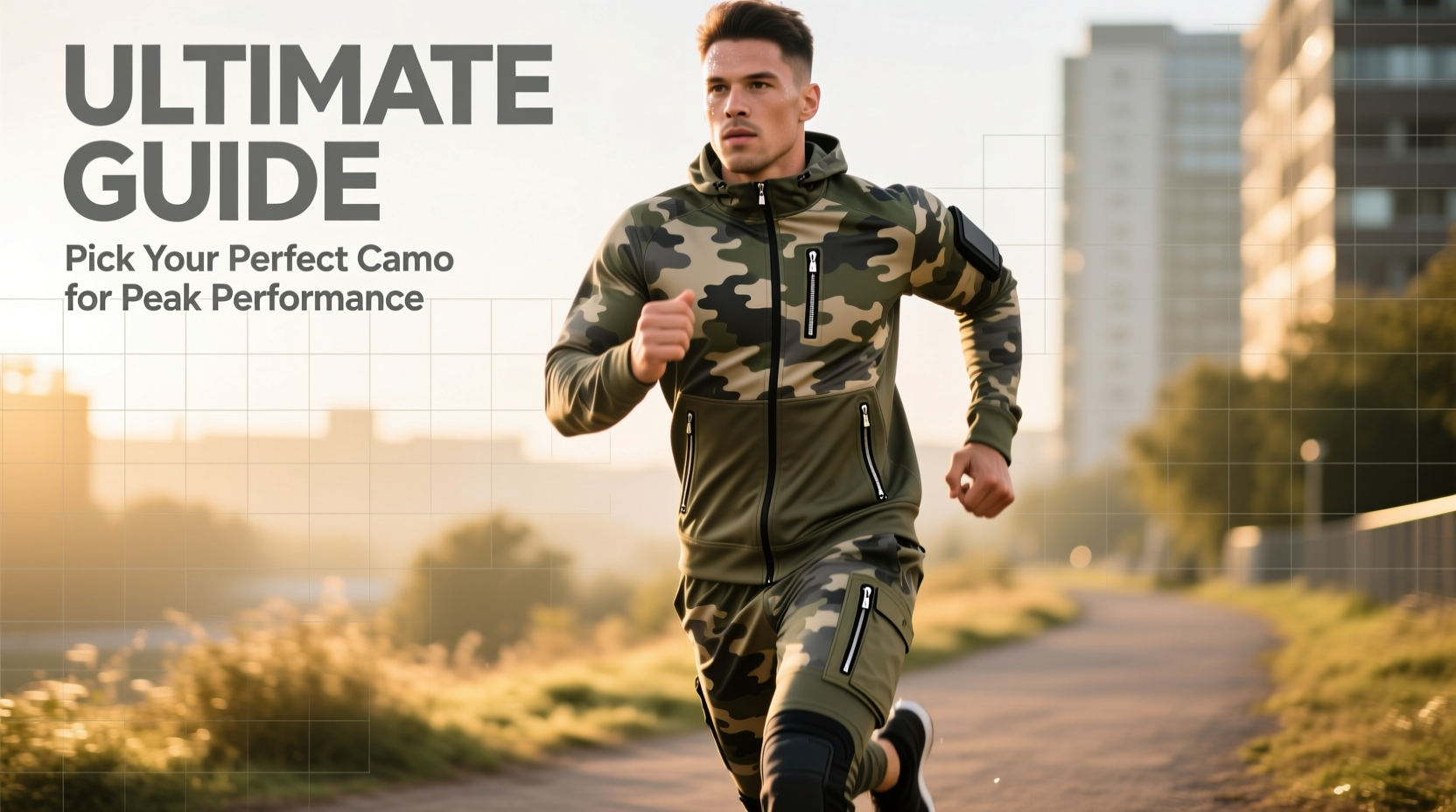
The rise of technical athleisure has redefined what sportswear can do. Camouflage tracksuits, once limited to outdoor recreation or fashion statements, are now engineered for dynamic physical activity. Modern versions integrate moisture-wicking fabrics, four-way stretch panels, and ergonomic seams to support agility and comfort. The pattern itself—often overlooked—can influence psychological focus and even thermal regulation depending on color density and contrast.
In disciplines like obstacle course racing, trail running, or tactical fitness training, a camo tracksuit offers both practical concealment in natural environments and a mental edge through its association with resilience and discipline. But aesthetics should never overshadow function. A poorly constructed suit can restrict motion, trap heat, or degrade after minimal use.
“Performance fabric combined with strategic patterning can reduce perceived effort by up to 7% in outdoor athletes,” says Dr. Lena Torres, biomechanics researcher at the Institute for Sport Innovation.
Key Features of High-Performance Camouflage Tracksuits
Selecting a tracksuit that supports athletic output means evaluating several technical components:
- Fabric Technology: Look for blends containing polyester-spandex or nylon-elastane. These materials offer durability, stretch, and rapid moisture transfer away from the skin.
- Breathability: Mesh-lined vents under arms or along the back improve airflow during intense sessions.
- Fit and Mobility: Articulated knees, gusseted crotches, and tapered legs allow full range of motion without excess bulk.
- Weight Class: Lightweight suits excel in warm climates; mid-weight options provide versatility across seasons.
- Durability: Reinforced stitching and abrasion-resistant zones (e.g., seat, elbows) extend lifespan during rugged use.
Choosing the Right Camo Pattern for Your Environment
Not all camouflage is created equal. Different patterns serve distinct environmental conditions and activity types. Selecting one aligned with your training terrain improves both practicality and comfort.
| Pattern Type | Best For | Performance Benefit |
|---|---|---|
| Woodland Camo | Forests, shaded trails | Breaks human silhouette effectively in dense greenery |
| Desert Tan | Arid, sandy regions | Reflects sunlight, reduces heat absorption |
| Urban Grey | Cities, concrete environments | Blends into built landscapes; ideal for park workouts |
| Multi-Terrain (MTP) | Varying climates and terrains | Adaptive colors work across seasons and settings |
| Digital Pixel Camo | Tactical drills, low-light scenarios | Disrupts outline recognition at distance |
Darker patterns absorb more heat, which may be beneficial in cold weather but detrimental in summer. Lighter, fragmented designs tend to disperse heat better and enhance visibility in dim conditions—a consideration for early morning or evening athletes.
Step-by-Step Guide to Selecting Your Ideal Camo Tracksuit
Follow this structured approach to ensure your purchase aligns with performance goals:
- Assess Your Primary Activity: Determine whether you need flexibility (e.g., calisthenics), wind resistance (e.g., running), or abrasion protection (e.g., obstacle courses).
- Evaluate Climate Conditions: Choose fabric weight and color palette based on average temperature and humidity levels where you train.
- Measure Accurately: Use a soft tape measure to record chest, waist, inseam, and sleeve length. Compare these to brand-specific size charts—do not assume standard sizing.
- Test Mobility: If trying on in-store, simulate movements like lunges, jumps, or squats to assess restriction.
- Inspect Seam Construction: Flatlock or bonded seams prevent chafing during repetitive motion.
- Check Closure Systems: Zippers should glide smoothly; elastic cuffs must retain shape after stretching.
- Wash Care Instructions: Ensure the care requirements match your routine—machine washable suits save time and preserve longevity.
Real-World Example: From Injury to Improvement
Jamal Reed, a semi-professional trail runner from Colorado, struggled with overheating and restricted stride during mountain races. After switching from a standard cotton-blend hoodie set to a lightweight digital woodland camo tracksuit made from 92% recycled polyester and 8% spandex, he noticed immediate improvements. “I used to shed layers halfway through every run,” he explains. “Now I maintain consistent body temperature, and the leg taper doesn’t catch on brush.” Within two months, his average descent time improved by 11 seconds per kilometer. The right suit didn’t just look sharper—it contributed directly to faster recovery and reduced fatigue.
Do’s and Don’ts When Buying a Performance Camo Tracksuit
| Do | Don't |
|---|---|
| Choose suits with anti-odor treatment for prolonged wear | Buy oversized fits assuming they’ll “break in” |
| Opt for laser-cut ventilation in high-sweat zones | Ignore seam placement near joints |
| Verify reflective details for low-light safety | Select purely based on trendiness |
| Try layering over base garments before purchasing | Wash in hot water—always follow cold-cycle recommendations |
Frequently Asked Questions
Can I wear a camouflage tracksuit for indoor gym workouts?
Absolutely. As long as the fabric is breathable and allows freedom of movement, camo tracksuits perform well indoors. Many athletes appreciate the motivational effect of wearing gear associated with endurance and stealth.
Are camouflage tracksuits suitable for cold weather?
Yes, especially mid- to heavyweight versions designed with thermal lining. Layer them over compression gear for maximum warmth retention while maintaining flexibility.
How do I maintain the print quality after multiple washes?
Turn the suit inside out before washing, use mild detergent, and avoid bleach or fabric softeners. Air drying preserves elasticity and prevents fading better than machine drying.
Final Checklist Before Purchase
- ✅ Fabric blend includes at least 5% elastane for stretch
- ✅ Pattern matches primary training environment
- ✅ Seams are flat or taped to prevent irritation
- ✅ Includes functional pockets (zippered preferred)
- ✅ Has reflective elements if used in low light
- ✅ Machine washable and quick-drying
- ✅ Fits snugly without restricting joint movement
Conclusion: Elevate Your Game with Intentional Gear Choices
Your tracksuit is more than casual wear—it's an extension of your training philosophy. The perfect camouflage tracksuit balances aesthetic appeal with biomechanical support, enabling peak performance across diverse conditions. By prioritizing material science, fit accuracy, and environmental alignment, you invest not just in apparel, but in athletic progress. Don’t settle for generic styles that compromise mobility or thermoregulation. Make informed decisions rooted in real-world function.
💬 Ready to upgrade your training wardrobe? Share your favorite performance tracksuit features or tag a teammate who needs this guide. Knowledge elevates the entire team.








