After a long hike, trail run, or mountain bike session, your Rivet gym bag likely carries more than just gear—it holds sweat, mud, moisture, and lingering odors. Over time, neglecting proper cleaning can degrade materials, weaken stitching, and create persistent smells that no air freshener can fix. Cleaning your Rivet gym bag isn’t just about appearance; it’s essential for hygiene, durability, and performance. This comprehensive guide walks you through every step, from routine maintenance to deep sanitization, ensuring your bag stays fresh and functional for years.
Why Regular Cleaning Matters for Outdoor Gear Bags
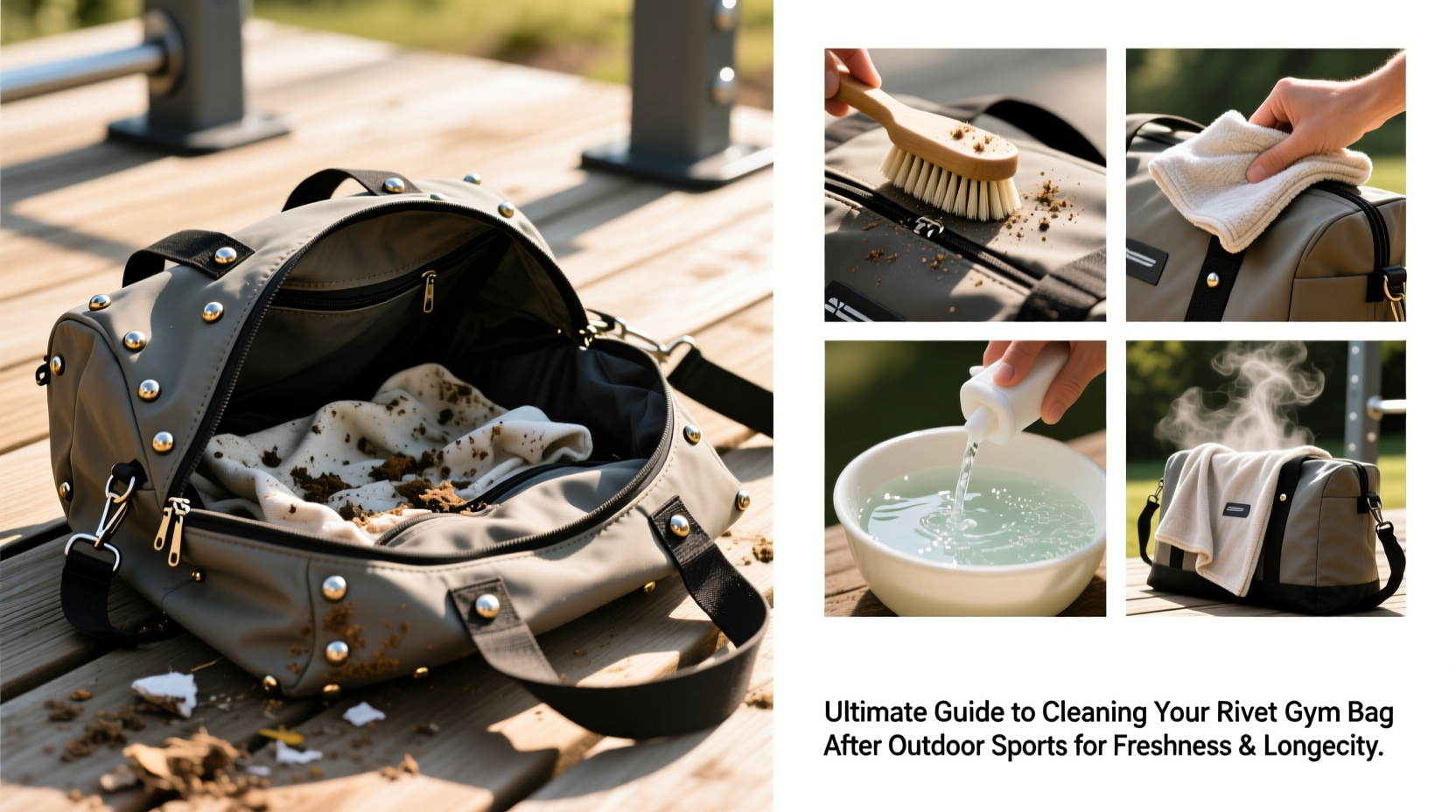
Rivet gym bags are designed for rugged use, often constructed with water-resistant nylon, reinforced zippers, and breathable compartments. However, even high-performance materials break down when exposed repeatedly to moisture, dirt, and bacteria. Sweat-soaked clothes, damp shoes, and muddy gear trap humidity inside the bag, creating an ideal environment for mold, mildew, and odor-causing microbes.
Left uncleaned, these conditions lead to fabric degradation, zipper corrosion, and unpleasant smells that seep into future contents. A study by the American Cleaning Institute found that 68% of gym bags tested carried detectable levels of bacteria, including E. coli and Staphylococcus. Regular cleaning disrupts this cycle, preserving both hygiene and structural integrity.
“Consistent care and proper storage can double a bag’s lifespan.” — Emma Clarke, Fashion Care Expert
Step-by-Step: Deep Cleaning Your Rivet Gym Bag
A thorough clean should be performed every 4–6 weeks if used weekly for outdoor sports, or immediately after exposure to mud, rain, or heavy perspiration. Follow this timeline for best results:
- Empty and inspect: Remove all items, checking pockets and hidden compartments. Shake out loose debris.
- Pre-treat stains: Use a soft cloth dampened with a mix of mild detergent and water to dab at visible grime (e.g., grass, dirt, oil).
- Prepare cleaning solution: Mix 1 tablespoon of gentle laundry detergent (like Woolite) with 2 cups of lukewarm water. Avoid bleach or harsh chemicals.
- Wipe interior and exterior: Dip a microfiber cloth into the solution, wring well, and wipe down all surfaces. Pay attention to seams, corners, and the base where moisture pools.
- Clean removable inserts: If your model has padded shoulder straps or a removable shoe compartment, hand-wash them separately.
- Rinse residue: Wipe again with a clean, damp cloth to remove soap traces.
- Dry thoroughly: Air-dry the bag upright in a well-ventilated area, away from direct sunlight. Allow 24 hours for complete drying before reuse.
Do’s and Don’ts: Maintaining Material Integrity
Rivet bags typically combine durable polyester or nylon with synthetic leather accents and metal hardware. Each component responds differently to cleaning agents and environmental stress. The table below outlines key practices to preserve quality.
| Do’s | Don’ts |
|---|---|
| Use pH-neutral cleaners on fabric surfaces | Use bleach, ammonia, or abrasive scrubbers |
| Wipe zippers with a dry toothbrush to remove grit | Force stuck zippers without lubrication |
| Apply silicone-based protectant to water-resistant panels | Store wet or damp for more than 12 hours |
| Rotate two bags for frequent outdoor use | Leave sweaty clothes inside overnight |
| Spot-test cleaners on inconspicuous areas first | Expose to prolonged UV light or heat sources |
Odor Prevention and Freshness Routine
Even with regular cleaning, odors can return if preventive habits aren’t established. Moisture is the primary culprit. After each use, unzip all compartments and hang the bag open for at least 30 minutes. Insert moisture-absorbing packets or a small charcoal bag to wick residual humidity.
For natural deodorizing, place a few drops of tea tree or eucalyptus oil on a cotton ball and leave it inside overnight. These essential oils have antimicrobial properties that neutralize bacteria without damaging fabrics.
Tip: Refresh your bag monthly with a vinegar-water mist (1:3 ratio) sprayed lightly inside—let sit for 15 minutes, then air dry. This cuts odor without residue.Mini Case Study: Trail Runner’s Bag Revival
Jamal, an avid trail runner from Colorado, used his Rivet duffel for weekend races and weekday training. After six months, the bag developed a sour smell and the base felt stiff with dried mud. He avoided washing it, fearing damage. When the odor began transferring to clean clothes, he followed the deep-cleaning method outlined here. After one round of manual wiping, stain treatment, and 24-hour drying, the smell vanished. He now uses a mesh laundry bag for sweaty clothes and airs the duffel in his garage weekly. Ten months later, the bag shows minimal wear and remains odor-free.
Essential Maintenance Checklist
Stay ahead of wear and tear with this practical checklist. Perform weekly tasks after every 2–3 uses; monthly steps during deep cleaning.
- ✅ Empty all compartments and shake out debris
- ✅ Wipe interior with damp microfiber cloth
- ✅ Inspect zippers and repair minor snags early
- ✅ Check for loose threads or seam separation
- ✅ Deodorize with baking soda or essential oils
- ✅ Apply fabric protector spray (quarterly)
- ✅ Store in a dry, ventilated space away from concrete floors
Frequently Asked Questions
Can I put my Rivet gym bag in the washing machine?
No. Machine washing can compromise waterproof linings, warp shape, and damage zippers. Always clean manually using a damp cloth and mild detergent.
How do I remove mildew if I left my bag damp too long?
Mix equal parts white vinegar and water. Dab onto affected areas with a cloth, let sit for 20 minutes, then wipe clean and air-dry completely. Repeat if necessary. Never scrub aggressively, as this spreads spores.
Is it safe to use disinfectant wipes on the interior?
Only alcohol-free, non-abrasive wipes designed for sensitive surfaces. Standard disinfectant wipes may contain solvents that degrade coatings over time. Test on a small area first.
Conclusion: Make Care a Seamless Part of Your Routine
Your Rivet gym bag is built for adventure, but it relies on you to maintain its performance. Just like your hiking boots or hydration pack, it needs consistent care to deliver peak function. By integrating quick wipe-downs, smart storage, and periodic deep cleans, you protect your investment and ensure every outing starts with a fresh, reliable companion.
💬 Ready to refresh your gear? Pick up your bag today, empty it out, and give it the 10-minute post-adventure airing it deserves. Share your cleaning tips or challenges in the comments—your experience could help another outdoor enthusiast keep their kit in top shape.








