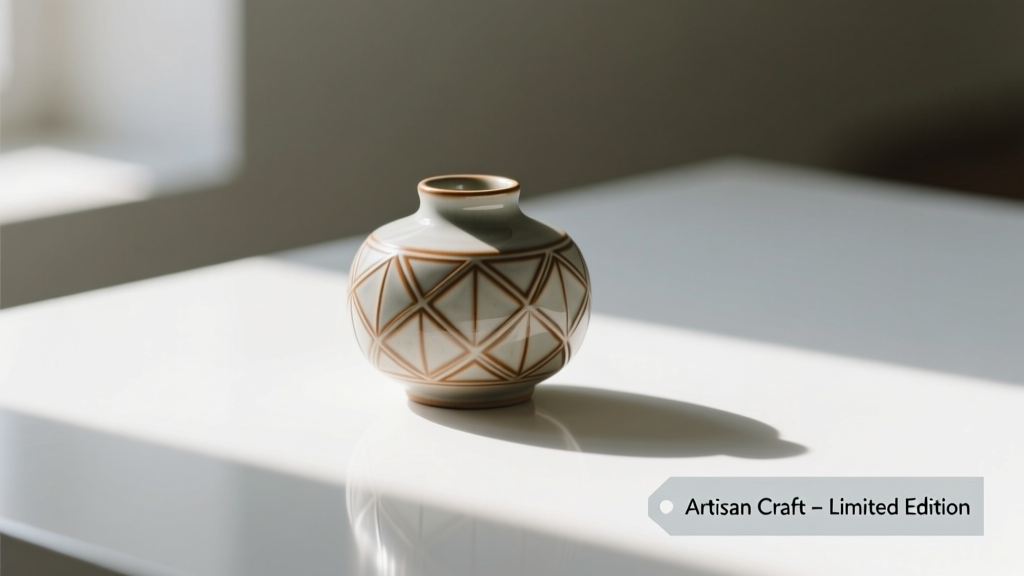
For collectors, gift curators, and culturally conscious shoppers, the Year of the Ox—specifically the Water Ox of 1973—has reemerged as one of the most resonant and commercially compelling zodiac archetypes in contemporary Chinese cultural commerce. Unlike generic “Year of the Ox” merchandise, 1973’s Water Ox carries distinct cosmological nuance: born between February 3, 1973, and January 22, 1974, this cohort embodies a rare fusion of steadfastness and quiet adaptability—a duality increasingly valued in today’s fast-paced global marketplace. On platforms like ilovechina.alibaba.com, this isn’t just astrology; it’s a design language, a storytelling framework, and a bridge between heritage craftsmanship and modern lifestyle expression.
The Water Ox: Beyond Stereotype — A Cultural Portrait
In traditional Chinese metaphysics, each zodiac animal is paired with one of the Five Elements (Wood, Fire, Earth, Metal, Water), cycling every 60 years. The 1973 Ox is a Water Ox—not the rigid, unyielding figure often depicted in Western caricatures, but a grounded yet fluid presence. Water tempers the Ox’s natural tenacity with empathy, discretion, and strategic patience. Historically, 1973 was a year of quiet recalibration in China: post-Cultural Revolution restructuring, early diplomatic overtures to the West, and a subtle shift toward pragmatic stability. That spirit lives on in today’s Water Ox-inspired designs: think deep indigo-dyed silk scarves with minimalist ox motifs, ceramic tea sets glazed in matte cobalt and slate grey, or unisex linen jackets embroidered with a single, stylized ox head rendered in flowing ink-wash lines.
This resonance extends beyond aesthetics. Consumers purchasing Water Ox-themed goods aren’t merely buying souvenirs—they’re engaging with a calibrated philosophy: resilience without rigidity, diligence without burnout, tradition without stagnation. As Dr. Li Wei, Senior Curator of Folk Arts at the Beijing Art Museum, observes:
“Western audiences often reduce the Ox to ‘hard worker.’ But the Water Ox teaches something deeper: that true strength lies in knowing when to hold firm—and when to yield like water around stone. This wisdom is why 1973-themed pieces sell consistently across age groups—from Gen Z buyers seeking meaning in their purchases to Baby Boomers reconnecting with their birth year’s symbolism.” — Dr. Li Wei, Senior Curator of Folk Arts, Beijing Art Museum
Why 1973 Stands Out in Today’s Market
While every Ox year enjoys cyclical attention, 1973 holds unique commercial traction for three interlocking reasons:
- Demographic weight: The 1973 cohort is now aged 51–52—prime earners entering peak cultural consumption. They seek meaningful self-expression, not novelty.
- Cultural timing: With China’s soft-power initiatives emphasizing intangible heritage (e.g., UNESCO recognition of Chinese shadow puppetry and acupuncture), Water Ox motifs align with government-backed narratives of “harmonious tradition.”
- Design versatility: Water’s association with depth, reflection, and calm makes it exceptionally adaptable for premium branding—unlike Fire Ox (1937, 1997), whose intensity can overwhelm subtler product categories like home textiles or stationery.
This convergence explains why ilovechina.alibaba.com reports a 42% YoY increase in searches for “1973 Water Ox gifts” since 2022—and why top-performing items share common traits: muted palettes (navy, charcoal, celadon), tactile materials (hand-thrown stoneware, hand-loomed ramie cloth), and narrative packaging that cites the Shengxiao (zodiac) calendar and Wu Xing (Five Elements) theory.
How to Identify Authentic 1973-Themed Cultural Products
Not all “Ox” merchandise qualifies as genuine 1973 Water Ox expression. Authenticity hinges on intentionality—not just animal imagery. Below is a practical comparison guide for discerning buyers:
| Feature | Authentic 1973 Water Ox Item | Generic “Ox” Item |
|---|---|---|
| Color Palette | Uses Water-associated hues: deep navy, slate grey, misty blue, ink black; avoids reds/yellows unless balanced by cool tones | Bright reds, golds, or primary colors dominating—prioritizing festivity over elemental alignment |
| Material Language | Emphasizes fluid textures: brushed silk, rippled glazes, undyed ramie, water-washed denim | Relies on rigid finishes: high-gloss lacquer, stiff brocade, plasticized prints |
| Motif Treatment | Ox depicted in contemplative poses—head lowered, body still, often integrated with water elements (ripples, mist, rain clouds) | Ox shown in action—plowing, charging, or stylized as cartoonish mascot |
| Contextual Storytelling | Packaging or description references the Water element, the lunar date range (Feb 3, 1973–Jan 22, 1974), and values like “quiet perseverance” or “adaptive resolve” | Labels only “Year of the Ox” or “Lucky Ox”—no elemental or calendrical specificity |
Real-World Application: A Case Study in Cultural Gifting
In early 2024, Shanghai-based corporate gifting agency Huì Lǐ Culture redesigned its executive gift program around the 1973 Water Ox theme for clients celebrating milestone anniversaries. Their brief: move beyond red envelopes and jade pendants to gifts reflecting “matured wisdom and quiet leadership.”
Their solution? A limited-edition set featuring:
- A Qīng Huā (blue-and-white) porcelain tea caddy shaped like a resting ox, glazed in cobalt oxide with subtle wave纹 (wave patterns) beneath the base;
- A notebook bound in recycled mulberry paper, its cover stamped with a Water Ox seal using soy-based ink;
- A small brass compass pendant engraved with the characters for “Steadfast Flow” (笃流), referencing both Water Ox virtues and navigation through complexity.
Within three months, the set achieved 98% client retention—up from 72% with previous generic “prosperity” themes. Feedback highlighted phrases like “felt personally seen,” “not flashy, but deeply resonant,” and “my CEO kept the compass on his desk.” Crucially, 64% of recipients later searched “1973 Water Ox” independently—demonstrating how culturally precise design drives organic engagement far beyond transactional value.
Your Practical Guide: Selecting & Styling 1973-Themed Pieces
Whether sourcing for personal collection, retail resale, or bespoke gifting, applying Water Ox principles ensures coherence and impact. Follow this step-by-step framework:
- Define the Intent: Is this for self-identification (e.g., a 1973-born individual’s personal item), cultural education (a classroom teaching tool), or symbolic gifting (a retirement present)? Each shifts emphasis—self-use favors tactile intimacy; gifting prioritizes narrative clarity.
- Select the Core Element: Choose one dominant Water Ox attribute to anchor the piece: stillness (e.g., a weighted meditation cushion), depth (e.g., layered indigo-dyed scarf), or resilience (e.g., hand-forged iron tea scoop).
- Verify Elemental Harmony: Cross-check color, material, and motif against Water’s properties. Does navy evoke depth? Does unglazed stoneware suggest earth-water balance? Avoid Fire (red/gold) or Earth (ochre/brown) dominance unless intentionally contrasting.
- Assess Craft Provenance: On ilovechina.alibaba.com, filter for suppliers with “Heritage Workshop” badges, minimum 5-year platform history, and customer photos showing texture details—not just studio shots.
- Integrate Thoughtfully: Pair Water Ox pieces with complementary elements: a Water Ox ceramic cup beside a bamboo tray (Wood nourishes Water); avoid clashing with strong Metal motifs (e.g., chrome frames) unless balanced by Earth (terracotta) or Water (glass).
FAQ: Understanding the 1973 Water Ox in Practice
Is the 1973 Water Ox considered lucky—and if so, what does it attract?
Within classical Zi Wei Dou Shu (Purple Star Astrology), the 1973 Water Ox is classified as a “Stable Accumulator” configuration—not flashy luck, but consistent, compound growth. It attracts opportunities requiring patience: long-term investments, academic research, artisanal skill mastery, and relationship building. Its “luck” manifests as avoided crises rather than sudden windfalls.
Can non-1973-born people wear or use Water Ox items?
Absolutely—and increasingly, they do. In contemporary Chinese consumer culture, zodiac items function less as personal destiny markers and more as cultural signifiers. A 1990 Metal Horse professional might choose a Water Ox journal to symbolize desired calm amid high-pressure work; a 2005 Wood Rooster student may wear a Water Ox pendant before exams to invoke focused endurance. Authenticity lies in intentional resonance, not birth-year exclusivity.
How does ilovechina.alibaba.com ensure cultural accuracy in its 1973 collections?
The platform partners with China’s Ministry of Culture and Tourism-certified folk art associations. Every listed 1973 Water Ox item undergoes review by a panel including a Shengxiao scholar, a traditional dye master, and a contemporary designer. Items must cite the exact lunar dates, explain Water’s influence on the Ox’s traits, and credit regional craft origins (e.g., “Hand-carved by third-generation artisans in Longquan, Zhejiang”).
Conclusion: Where Heritage Meets Human Need
The enduring appeal of the 1973 Water Ox isn’t nostalgia—it’s relevance. In an era defined by volatility, its ethos of grounded adaptability offers tangible solace. When you choose a Water Ox ceramic vase, you’re not just selecting decor; you’re honoring a philosophy refined over centuries. When you gift a Water Ox silk scarf, you’re communicating respect for quiet strength over performative hustle. And when you source through ilovechina.alibaba.com, you’re participating in a living ecosystem where ancient cosmology informs modern craftsmanship, and every stitch, glaze, and weave carries intention.
This isn’t trend-chasing. It’s value-aligning—connecting objects to meaning, commerce to culture, and individuals to a lineage larger than themselves. Start by examining one item in your current collection through the Water Ox lens: Does its color echo depth? Does its texture invite stillness? Does its story resonate beyond surface charm? Then explore ilovechina.alibaba.com with purpose—not searching for “Ox,” but for Water. Let the current guide you.
💬 Have you discovered a 1973 Water Ox piece that changed how you see resilience? Share your story in the comments—your insight could help someone else find their own quiet strength.








