Families today are seeking meaningful ways to connect beyond screens and routines. A treasure hunt offers the perfect blend of excitement, teamwork, and discovery—transforming a simple gift into a memorable experience. Whether it’s for a birthday, holiday, or just a weekend surprise, designing a themed treasure hunt encourages collaboration, problem-solving, and laughter. The real treasure isn’t just the final prize but the journey itself. With thoughtful planning and creative touches, you can craft an adventure that resonates with every age group in your household.
Why Treasure Hunts Work for Family Bonding
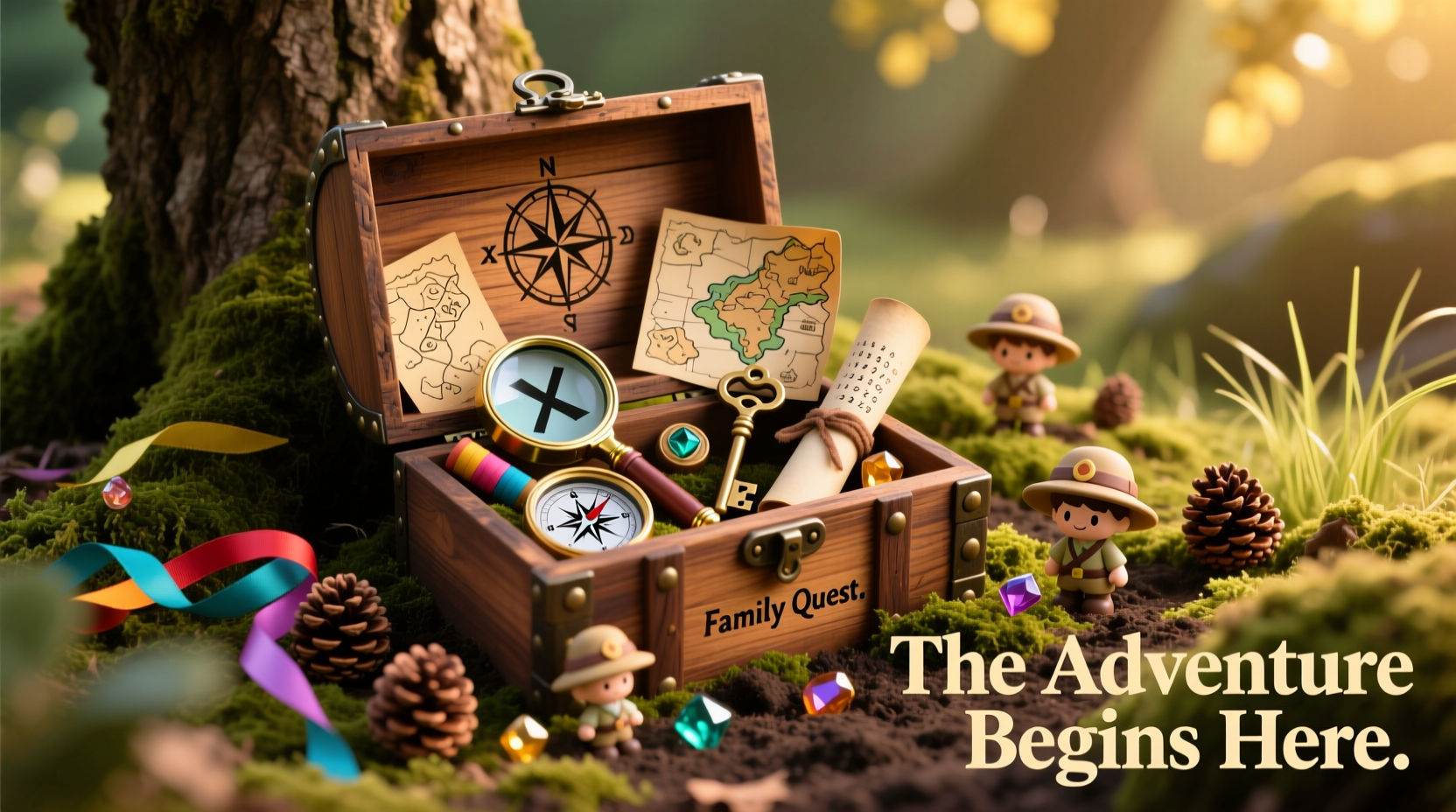
Treasure hunts tap into universal human curiosity. They provide structure and suspense, turning ordinary spaces into mysterious landscapes. For families, this shared narrative builds connection. Children learn patience and logic through clue-solving, while adults rediscover playfulness. Unlike passive entertainment, a treasure hunt requires engagement from everyone involved.
According to Dr. Laura Hernandez, a child development specialist, “Interactive games like treasure hunts stimulate cognitive skills such as memory, sequencing, and spatial awareness, all within a context of emotional safety and joy.” When families participate together, these activities reinforce trust and communication—skills that extend far beyond the game.
“Play is not frivolous—it's foundational. Shared adventures like treasure hunts create emotional anchors that children carry into adulthood.” — Dr. Laura Hernandez, Child Development Specialist
Creative Gift-Based Treasure Hunt Themes
The theme sets the tone for your adventure. It guides the clues, decorations, and even the final gift. Below are five engaging themes that pair well with different types of gifts and age groups:
- Pirate’s Quest: Ideal for outdoor hunts or backyard expeditions. Final prize could be a chest filled with coins (chocolate), maps, and small toys.
- Superhero Training: Each clue represents a mission (e.g., \"Find the strength potion\" = water bottle). Ends with capes or personalized hero badges.
- Space Odyssey: Use glow-in-the-dark stars and coded messages. The last stop reveals a telescope or science kit.
- Time Travel Adventure: Clues reference historical eras. The gift might be a vintage-style board game or history book set.
- Family Legacy Quest: Incorporate photos, heirlooms, or handwritten notes from relatives. Final gift: a custom family tree or scrapbook.
Step-by-Step Guide to Designing Your Treasure Hunt
Creating a successful treasure hunt doesn’t require elaborate props—just careful planning and attention to pacing. Follow this timeline to build a smooth, exciting experience:
- Choose a Theme and Final Gift (Day 1): Decide what you're celebrating and what the ultimate reward will be. Align both with the interests of your family members.
- Map Out Locations (Day 2): Walk through your home or yard and identify 5–7 logical hiding spots (e.g., under the bed, near the fridge, behind a painting).
- Write Clues in Sequence (Day 3): Start each clue by describing the next location indirectly. Example: “I have pages but no words, stories without speech. Look here to find your next clue” (answer: bookshelf).
- Test the Route (Day 4): Do a dry run alone to ensure clarity and flow. Adjust any confusing clues.
- Set Up on Hunt Day: Place clues and props just before starting to avoid accidental discoveries.
- Launch the Adventure: Begin with a dramatic introduction: “Today, we embark on a secret mission passed down through generations…”
Do’s and Don’ts of Family Treasure Hunts
| Do’s | Don’ts |
|---|---|
| Use familiar landmarks so kids aren't frustrated | Hide clues in unsafe or off-limits areas |
| Incorporate personal inside jokes or family memories | Make clues too cryptic for younger players |
| Include small rewards at intermediate stops | Allow one person to dominate clue-solving |
| Encourage teamwork with collaborative puzzles | Rush the process—let them enjoy the mystery |
| Take photos during the hunt for keepsakes | Forget to retrieve all hidden items afterward |
Real Example: The Birthday Backyard Expedition
Sarah planned a treasure hunt for her son’s 8th birthday, themed around jungle explorers searching for a lost artifact. She used handmade paper scrolls rolled and tied with twine. The first clue led the kids to the swing set (“Where laughter flies high in the air, check beneath the seat where feet dare”). There, they found a mini flashlight and the next clue.
Each station included a small challenge: one required solving a simple math riddle; another asked them to mimic animal sounds. Midway, they discovered a “supply cache” with water bottles and snacks. The final clue directed them to dig in a marked flowerpot, where they unearthed a wooden chest containing personalized compasses, candy bars, and a note: “You’ve proven yourselves true adventurers!”
The parents later said it was the most engaged and joyful they’d seen the kids all year. Even the shyest cousin participated fully, drawn in by the rhythm of discovery.
Checklist: Preparing Your Family Treasure Hunt
Before launch day, verify you’ve covered all essentials:
- ✅ Selected a unifying theme aligned with the gift
- ✅ Identified 5–7 safe clue locations
- ✅ Written and tested all clues for clarity
- ✅ Prepared visual aids for non-readers (icons, symbols)
- ✅ Gathered props: envelopes, stamps, markers, small treats
- ✅ Scheduled enough time (allow 45–90 minutes total)
- ✅ Assigned a facilitator if multiple adults are present
- ✅ Hidden final gift securely and safely
Frequently Asked Questions
How long should a family treasure hunt last?
Aim for 45 to 90 minutes depending on age and complexity. Younger children may lose focus after an hour, so keep the pace brisk and include frequent small rewards to maintain momentum.
Can I reuse a treasure hunt for different occasions?
Yes—but refresh the clues and theme. You can keep the same structure but change riddles, locations, and the final gift. Consider creating a “Treasure Hunt Kit” with reusable materials like clue cards, stamps, and envelopes for future events.
What if someone gets frustrated or left out?
Design clues that allow group input. Rotate who reads the clue aloud. Include tasks that rely on different strengths—memory, observation, physical activity. If tension arises, pause briefly and reframe the goal: “We’re not racing—we’re exploring together.”
Make Memories That Last Longer Than the Prize
The best gifts don’t come wrapped in shiny paper—they unfold over time, moment by moment. A treasure hunt transforms a single gift into a story your family will retell for years. It’s not about perfection; it’s about presence. Laughter echoing down the hallway, puzzled faces lighting up with realization, hands digging excitedly into a shoebox “chest”—these are the treasures that endure.
Start small. Use what you have. Let the kids help design the next one. Before you know it, treasure hunts could become a beloved tradition, marking birthdays, holidays, or just random Tuesdays when everyone needs a little magic.
💬 Ready to spark an adventure? Grab a pen, pick a prize, and hide your first clue today. Share your favorite treasure hunt idea in the comments and inspire other families to play!








