Trampolines have long been a favorite backyard attraction for children and teens, promising hours of fun and physical activity. But beneath the bouncing excitement lies a troubling reality: trampolines are among the most hazardous recreational devices found in homes. Every year, emergency rooms treat thousands of injuries linked to trampoline use—many involving serious fractures, head trauma, and spinal damage. Understanding why trampolines are so dangerous, recognizing the key risks, and implementing effective prevention strategies is essential for any family considering or already owning one.
The Hidden Dangers of Trampoline Use
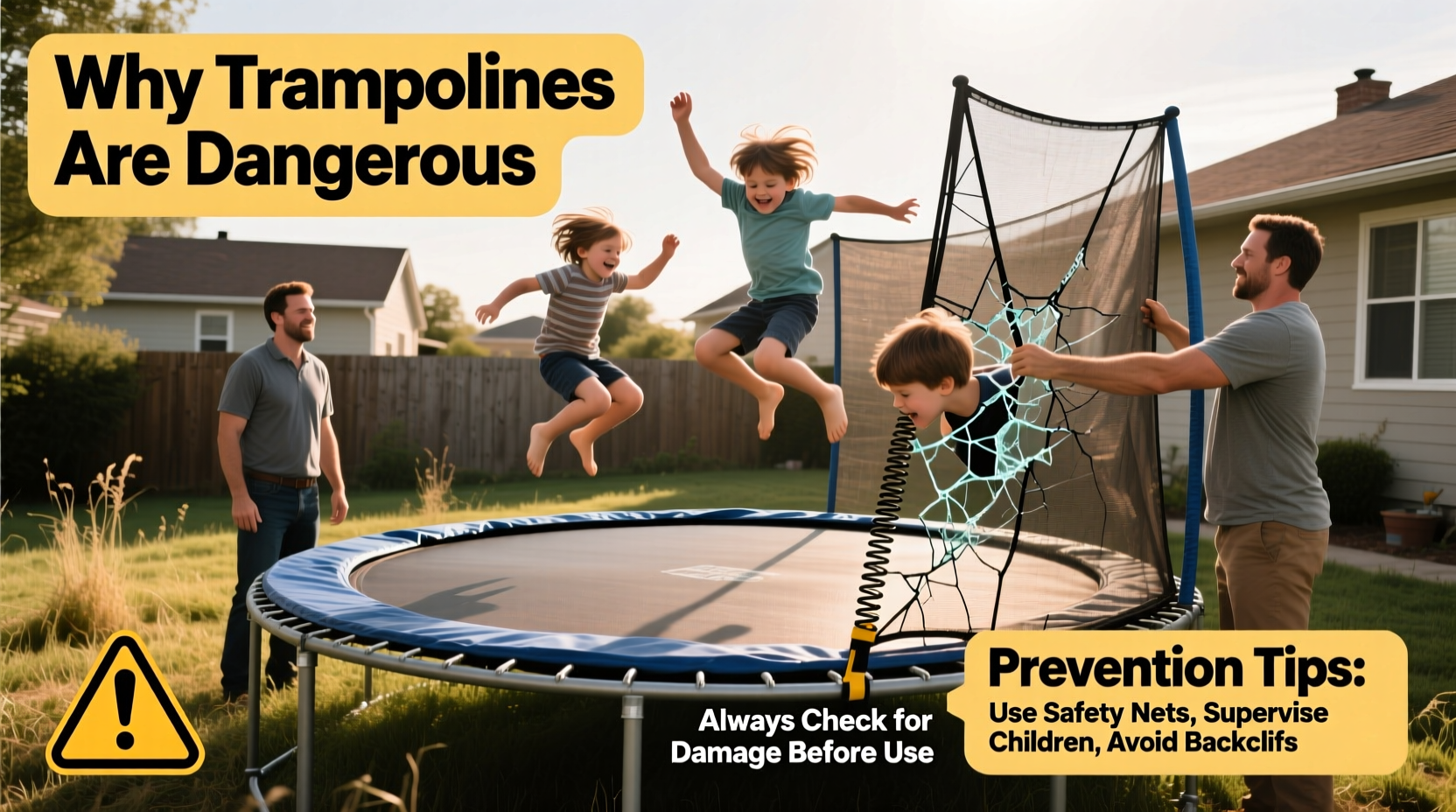
Despite their popularity, trampolines pose significant safety concerns. The American Academy of Pediatrics (AAP) has consistently advised against home trampoline use, citing high injury rates across age groups. According to the U.S. Consumer Product Safety Commission (CPSC), over 300,000 trampoline-related injuries were treated in emergency departments between 2020 and 2022 alone. These injuries range from sprains and bruises to catastrophic neurological damage.
The primary danger stems from the physics of rebounding. Each jump amplifies momentum, increasing the risk of loss of control. Falls from height, collisions with other jumpers, and improper landings on the frame or springs are common causes of harm. Even with safety nets and padding, many accidents occur due to user error or equipment failure.
Tip: Never allow more than one person on a trampoline at a time—over 75% of injuries involve multiple jumpers.Common Trampoline Injuries and Their Causes
Injuries associated with trampolines fall into several categories, each tied to specific risk factors:
- Fractures and dislocations: Most commonly affect arms, wrists, and legs, often resulting from attempting flips or falling off the edge.
- Head and spinal injuries: Occur during unsafe somersaults or when landing on the neck after a misjudged jump.
- Soft tissue damage: Includes sprains, strains, and contusions from awkward landings or collisions.
- Lacerations: Caused by contact with metal springs, frames, or torn netting.
Children under 6 are particularly vulnerable. Their developing motor skills and weaker musculoskeletal systems make them less capable of controlling jumps or absorbing impact safely. The AAP strongly recommends that children under six should not use trampolines at all.
“Trampoline injuries in young children often result in growth plate fractures, which can lead to long-term developmental issues.” — Dr. Laura Chen, Pediatric Orthopedic Specialist
Risk Factors That Increase Injury Likelihood
Certain behaviors and environmental conditions dramatically increase the danger of trampoline use. Awareness of these risk factors is crucial for prevention.
| Risk Factor | Description | Impact Level |
|---|---|---|
| Multiple users | One jumper being launched higher when another lands | High |
| Performing flips or stunts | Lack of training increases chance of head/neck impact | Very High |
| No adult supervision | Unmonitored play leads to risky behavior | High |
| Poor maintenance | Rusted springs, torn mats, or unstable frames | Moderate to High |
| Lack of safety enclosure | Increased likelihood of falling off the trampoline | Moderate |
Effective Prevention Strategies for Safer Bouncing
While no trampoline is completely risk-free, responsible ownership and usage can significantly reduce the chances of injury. The following step-by-step guide outlines practical measures to enhance safety.
Step-by-Step Guide to Safer Trampoline Use
- Install a certified safety net enclosure: Choose models that meet ASTM International standards. Ensure zippers face inward and gaps are minimal.
- Anchor the trampoline securely: Use ground stakes or sandbags to prevent tipping in windy conditions.
- Limit use to one person at a time: Enforce this rule strictly, especially with younger children.
- Place the trampoline on level ground: Use shock-absorbing surfaces like rubber mulch or sand around the perimeter.
- Inspect regularly: Check springs, mat integrity, and frame stability weekly during active use.
- Prohibit flips and acrobatics: Unless supervised by trained coaches in a professional setting, avoid stunts entirely.
- Supervise every session: Adults should actively monitor behavior and enforce rules without distraction.
Real-World Example: A Preventable Spinal Injury
In 2021, a 14-year-old in Ohio attempted a backflip on his home trampoline without supervision. He landed short, striking his head on the metal frame. The impact caused a cervical spine fracture requiring surgery and months of rehabilitation. Doctors confirmed that had there been an adult present, a safety net installed, and a clear rule against stunts, the injury could likely have been avoided.
This case illustrates how quickly fun turns tragic when safety protocols are ignored. It also underscores the importance of education—not just for parents, but for children who may underestimate the consequences of risky behavior.
Essential Safety Checklist for Trampoline Owners
Use this checklist before allowing anyone to use your trampoline:
- ✅ One jumper only allowed at a time
- ✅ Safety net fully intact and properly secured
- ✅ No visible tears, rust, or loose parts
- ✅ Trampoline surface at least 2 feet above surrounding ground
- ✅ Soft landing material (e.g., rubber mats) surrounds the unit
- ✅ Adult supervisor present and attentive
- ✅ No glass, sharp objects, or obstacles nearby
- ✅ Weather is dry and windless
Frequently Asked Questions
Are indoor trampolines safer than outdoor ones?
Indoor mini-trampolines (rebounding balls or fitness tramps) carry lower fall risks due to smaller size and lower bounce, but they still pose dangers if used improperly. Large indoor trampolines in gyms are generally safer due to professional oversight, padding, and trained staff.
Can safety pads eliminate trampoline risks?
Safety pads covering springs and frames reduce laceration and impact risks but do not prevent falls, collisions, or spinal injuries. They are a helpful addition but not a substitute for supervision and rules.
Is it safe for toddlers to jump on trampolines?
No. Medical experts unanimously advise against trampoline use for children under 6. Their bodies are not developed enough to handle repetitive impact, and their coordination is insufficient to maintain balance.
Final Thoughts: Balancing Fun and Safety
Trampolines offer undeniable appeal—physical exercise, joy, and outdoor engagement. However, their risks are too significant to ignore. With proper precautions, informed decisions, and consistent enforcement of safety rules, families can mitigate many dangers. But if supervision is inconsistent, space is limited, or multiple young children are involved, the safest choice may be to skip the trampoline altogether.
Consider alternatives like playgrounds with spring riders, gymnastics classes, or outdoor games that provide similar benefits without the high injury potential. When safety becomes non-negotiable, sometimes restraint is the most responsible form of care.
💬 Have experience with trampoline safety—or a close call you’d like to share? Your story could help others make smarter choices. Leave a comment and contribute to a safer community.








