Trampolines are a staple of backyard fun, promising hours of bouncing excitement for children. But beneath the surface of this popular pastime lies a growing concern among pediatricians, orthopedic specialists, and safety advocates. Despite their appeal, trampolines pose significant risks—especially to young users. From fractures and sprains to catastrophic spinal injuries, the statistics paint a sobering picture. While some families assume supervision or safety nets eliminate danger, research shows that many preventive measures fall short. Understanding the real risks is the first step toward making informed decisions about whether—and how—a trampoline belongs in your home.
The Reality of Trampoline Injuries
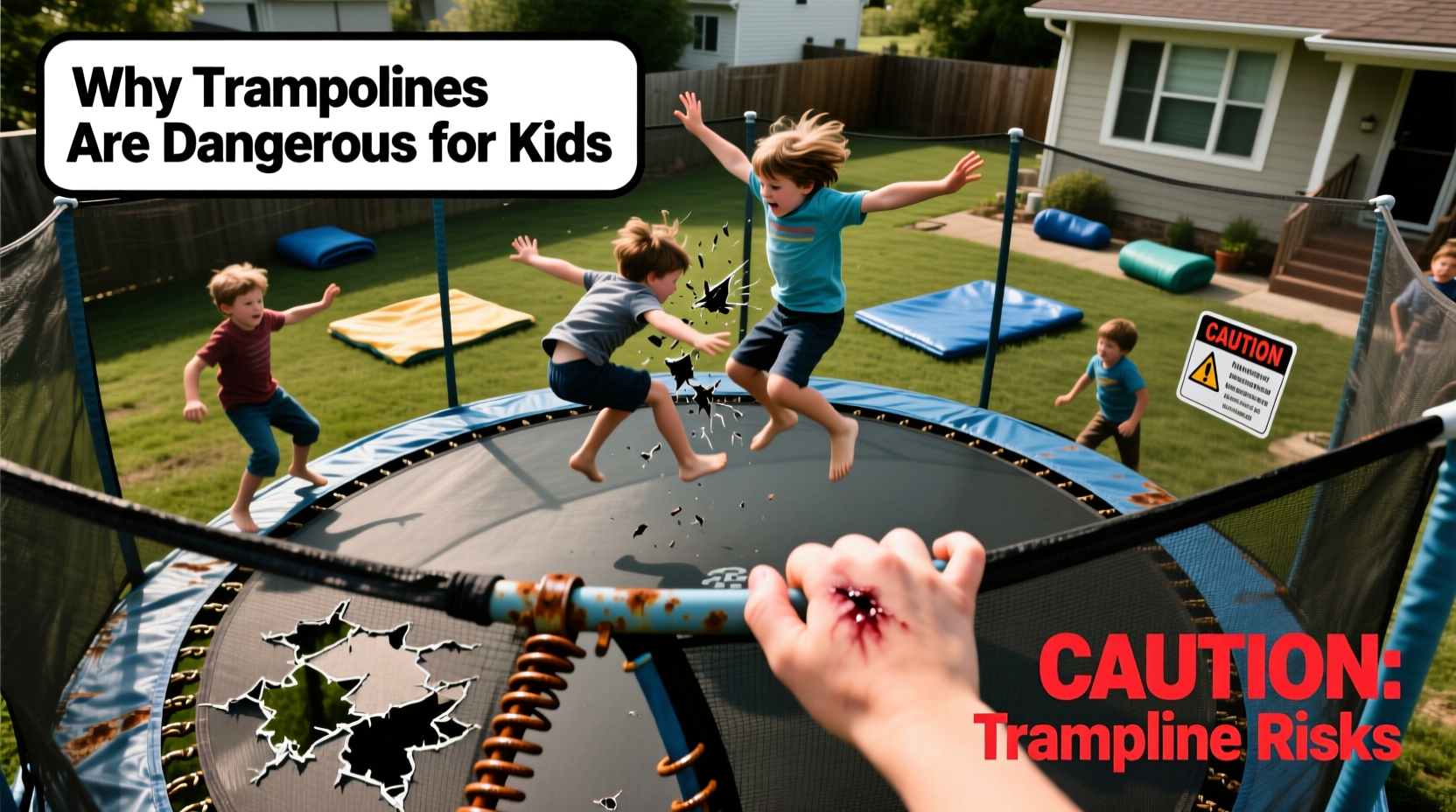
Every year, emergency rooms across the United States treat over 300,000 trampoline-related injuries, according to the American Academy of Pediatrics (AAP). A large portion of these cases involve children under the age of 16. The most common injuries include broken bones (particularly arms and wrists), ankle sprains, dislocated shoulders, and head trauma. More severe incidents can result in spinal cord damage or traumatic brain injury—often from falls off the trampoline or collisions with other jumpers.
One of the biggest misconceptions is that home trampolines are safer than commercial ones. In reality, the majority of injuries occur in residential settings. A study published in Pediatrics found that 92% of trampoline injuries happen at home, where rules may be loosely enforced and adult supervision inconsistent.
Tip: Never allow more than one child on a trampoline at a time—over 75% of injuries involve multiple jumpers.Why Are Trampolines So Risky for Kids?
Children’s developing bodies and limited coordination make them particularly vulnerable during high-impact activities like trampolining. Their center of gravity is higher, increasing the likelihood of awkward landings. Additionally, kids often lack the judgment to recognize dangerous behaviors, such as attempting flips or jumping too close to the edges.
Even with safety features like padding and enclosures, trampolines remain inherently unstable surfaces. The spring-based rebound system creates unpredictable bounce patterns, especially when multiple users are present. A lighter child can be launched unexpectedly by the force of a heavier jumper, leading to loss of control mid-air.
Another major factor is the false sense of security provided by safety nets. While marketed as protective solutions, studies show they do not significantly reduce injury rates. Children may still hit the frame, springs, or net itself, or suffer rotational falls that lead to neck and spine trauma.
“Home trampolines are not a recommended form of recreation for children due to the high risk of injury.” — Dr. Susannah M. Bruckner, Pediatric Orthopedic Surgeon, Seattle Children’s Hospital
Common Types of Trampoline Injuries
Injuries vary in severity but tend to cluster around predictable patterns. Below is a breakdown of the most frequent types and their causes:
| Injury Type | Common Cause | Average Age Affected |
|---|---|---|
| Forearm Fractures | Falling onto outstretched hands | 6–10 years |
| Ankle Sprains | Landing at an awkward angle | 8–14 years |
| Dislocated Shoulders | Attempting flips or falling mid-bounce | 10–16 years |
| Head & Neck Injuries | Flips, collisions, or falling off edge | All ages, highest risk under 10 |
| Spinal Cord Damage | Impact from failed somersaults or landing on neck | Teens attempting stunts |
Notably, cervical spine injuries—though rare—are among the most devastating. These can result in permanent paralysis and often occur when children attempt gymnastic moves without proper training or spotting.
Mini Case Study: A Preventable Spinal Injury
In suburban Ohio, 12-year-old Liam attempted a backflip on his family’s backyard trampoline, encouraged by older friends. He misjudged the rotation and landed directly on his head, fracturing two vertebrae. Emergency responders arrived within minutes, but the damage was severe. After months of rehabilitation, Liam regained partial mobility but now uses a wheelchair for long distances. His neurosurgeon stated that the injury could have been avoided entirely if stunt jumping had been prohibited and adult supervision strictly enforced. This case highlights how peer influence and lack of clear boundaries contribute to preventable tragedies.
Safer Alternatives and Prevention Strategies
While the AAP recommends against home trampoline use altogether, many families still choose to keep them. For those who do, implementing strict safety protocols is essential. The following checklist outlines evidence-based steps to minimize risk:
Trampoline Safety Checklist
- ✅ Allow only one jumper at a time
- ✅ Prohibit flips, somersaults, and acrobatic moves
- ✅ Install a safety net with no gaps around the edges
- ✅ Pad all springs, hooks, and the frame—even under the mat
- ✅ Place the trampoline on level ground away from trees, fences, and structures
- ✅ Supervise every use, even with older children
- ✅ Limit session duration to avoid fatigue-related accidents
- ✅ Teach basic jumping rules: feet first, stay centered, no roughhousing
Consider replacing recreational trampolines with safer physical alternatives. Mini trampolines (rebounding balls or small fitness trampolines) used indoors under supervision offer lower-impact exercise with minimal injury risk. Outdoor obstacle courses, climbing frames, or sports like soccer and swimming provide similar cardiovascular benefits without the inherent dangers.
Expert Recommendations and Medical Consensus
Major medical organizations agree: the risks of home trampolines outweigh the benefits for most children. The American Academy of Pediatrics has maintained a clear stance since 2004, advising against the use of trampolines in home settings. Similarly, the Canadian Paediatric Society and the Royal Society for the Prevention of Accidents (RoSPA) in the UK discourage private ownership.
Dr. Gary A. Smith, a leading pediatric injury researcher, explains: “There is no way to make a trampoline completely safe. Even with nets and padding, the forces involved in bouncing create a high potential for injury. We’ve seen no meaningful drop in ER visits despite decades of safety marketing.”
Some experts advocate for shifting focus to structured environments. If children want to learn tumbling or aerial skills, enrolling them in certified gymnastics programs with trained spotters and foam pits is far safer than unsupervised backyard experimentation.
Frequently Asked Questions
Are trampoline parks safer than home models?
Trampoline parks generally have better oversight, professional padding, and staff supervision, which reduces—but does not eliminate—risk. Injuries still occur, especially during complex maneuvers or crowded sessions. However, the controlled environment makes them statistically safer than home units when rules are followed.
What age is appropriate for trampoline use?
The AAP advises that children under 6 should never use a trampoline, even small indoor ones. Their musculoskeletal systems are too immature to handle repeated impact. For older children, strict rules and constant supervision are non-negotiable.
Can safety nets and pads make trampolines safe?
No. While padding and enclosures reduce certain risks (like direct contact with metal parts), they do not prevent falls, collisions, or improper landings. Research shows injury rates remain high even with these additions. Nets can also degrade over time, creating new hazards.
Conclusion: Prioritizing Safety Over Convenience
The joy a trampoline brings must be weighed against its potential for lifelong consequences. While it’s tempting to view it as harmless backyard entertainment, the data tells a different story. Thousands of children each year face avoidable pain, surgery, and recovery because of trampoline accidents. As parents and caregivers, the responsibility lies in making informed choices—not just reacting after an injury occurs.
💬 Your child’s safety matters more than momentary fun. Reconsider home trampolines, enforce ironclad rules if you keep one, and explore safer ways to encourage active play. Share this information with other parents—it could prevent someone’s worst day.








