For men who spend time on rugged terrain—whether scaling mountain trails, backpacking through forests, or navigating rocky ridgelines—the right footwear isn’t just a comfort choice. It’s a safety and performance decision. With the rise of lightweight trail running shoes, many hikers wonder: are traditional hiking shoes still necessary? The answer depends on your activity, terrain, load, and personal preference. Understanding the differences between trail running shoes and hiking shoes helps you make an informed choice that supports endurance, stability, and foot health.
Key Differences in Design and Purpose
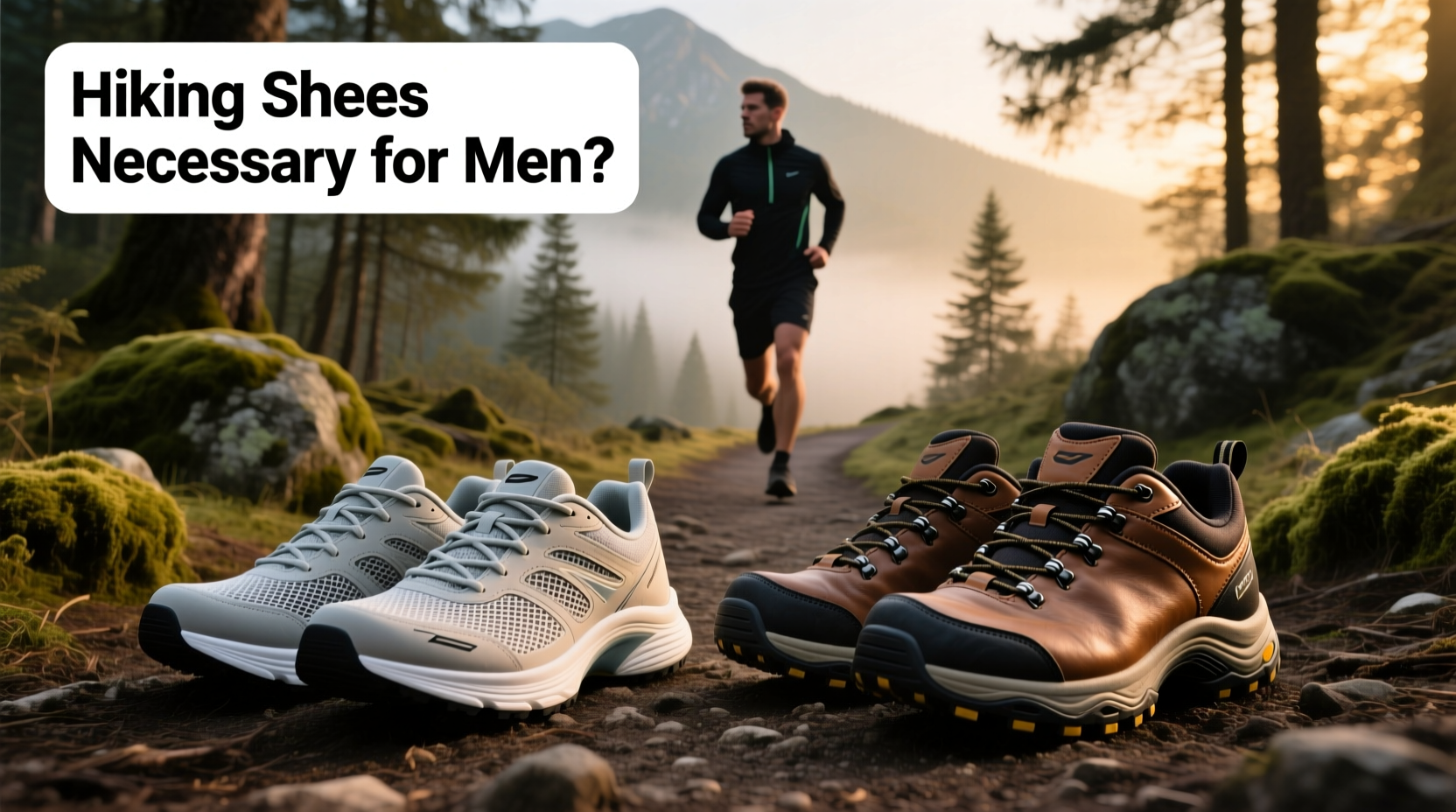
Trail running shoes and hiking shoes may look similar at first glance—both feature aggressive tread patterns and durable uppers—but their design philosophies diverge significantly. Trail runners prioritize speed, flexibility, and minimal weight. They’re built for dynamic movement over moderate to technical terrain with little to no load. Hiking shoes, on the other hand, emphasize support, protection, and durability, especially under heavy packs or on uneven ground.
Here's a breakdown of core design distinctions:
| Feature | Trail Running Shoes | Hiking Shoes |
|---|---|---|
| Weight | Light (8–14 oz per shoe) | Moderate to heavy (16–28 oz) |
| Sole Stiffness | Flexible for agility | Stiffer for load support |
| Ankle Support | Low-cut only | Mid to high-cut options |
| Upper Material | Breathable mesh | Durable leather/synthetic blends |
| Protection | Minimal rock plates | Reinforced toe caps, thicker midsoles |
| Best For | Fast hikes, light loads, dry conditions | Multi-day trips, rough terrain, heavy packs |
The trade-offs are clear: trail runners offer superior breathability and responsiveness but sacrifice long-term support and protection. Hiking shoes deliver stability and resilience but can feel cumbersome during fast-paced outings.
Tip: If you're carrying more than 20 pounds or hiking over 10 miles with elevation gain, consider switching to hiking shoes for better joint and foot protection.When Hiking Shoes Are Truly Necessary
Not every hike demands heavy footwear. However, there are scenarios where hiking shoes aren’t just beneficial—they’re essential. These include:
- Extended backpacking trips: Multi-day hikes with full gear place sustained stress on feet and ankles. Hiking shoes reduce fatigue and help prevent injuries.
- Rugged, unstable terrain: Loose scree, wet rocks, or root-filled paths require torsional rigidity and grip that only stiffer soles provide.
- Cold or wet conditions: Many hiking shoes come with waterproof linings (e.g., Gore-Tex) and resist water absorption better than mesh trail runners.
- Carrying heavy loads: Anything over a daypack increases impact forces. A supportive heel counter and structured midsole in hiking shoes absorb shock more effectively.
“Hiking shoes act like suspension systems for your feet—especially important when descending steep grades with a loaded pack.” — Dr. Mark Tran, Sports Podiatrist and Outdoor Medicine Consultant
A Real Example: The Mistake of Under-Gearing
Consider James, a 38-year-old runner from Colorado who decided to tackle a 22-mile loop in the Rockies wearing his favorite trail runners. The route included 5,000 feet of elevation gain, river crossings, and sections of loose shale. By mile 14, he developed hot spots that turned into blisters. On the descent, his ankles rolled twice on unstable ground. He finished the hike but took two weeks off due to tendon inflammation.
After consulting a wilderness medic, he learned that while his fitness was excellent, his footwear lacked the lateral support and sole protection needed for such terrain under prolonged strain. Switching to mid-height hiking shoes for future long hikes reduced discomfort and improved confidence on technical descents.
When Trail Runners Are a Smart Choice
Despite their limitations, trail running shoes have earned their place in the backpacker’s gear closet—especially for men seeking efficiency and speed. Ultralight backpackers, fastpackers, and those tackling well-maintained trails often prefer them for valid reasons.
Benefits include:
- Faster drying after stream crossings
- Greater ventilation in warm weather
- Reduced fatigue over long distances due to lighter weight
- Better ground feel for precise foot placement
Many experienced hikers now adopt a “shoe for the season” approach. In summer, on dry, predictable trails, they opt for trail runners. In spring or fall, when trails are muddy and loads heavier, they switch to hiking shoes.
Step-by-Step Guide: Choosing the Right Footwear
Follow this practical decision framework before buying your next pair:
- Assess your typical hike: Duration, distance, elevation, and trail condition determine footwear needs.
- Evaluate your pack weight: Under 15 lbs? Trail runners may suffice. Over 20 lbs? Lean toward hiking shoes.
- Check weather and terrain: Wet, rocky, or snowy conditions favor hiking shoes with waterproofing and aggressive lugs.
- Try both styles on inclines: Test shoes on a sloped treadmill or hillside to gauge ankle support and heel lockdown.
- Walk with weight: Wear your loaded daypack during fitting to simulate real-world pressure.
- Break them in gradually: Never wear new shoes on a long trek. Start with 3–5 mile walks to assess fit and comfort.
Checklist: Do You Need Hiking Shoes?
Answer these questions to decide:
- Do you regularly hike more than 10 miles in one outing? ✅
- Do you carry a backpack weighing over 20 pounds? ✅
- Are your hikes on steep, rocky, or unpredictable terrain? ✅
- Do you hike in cold, wet, or muddy environments frequently? ✅
- Have you experienced ankle rolls or foot pain in trail runners? ✅
If you answered yes to two or more, hiking shoes are likely necessary for your safety and enjoyment. If most answers are no, trail runners could be sufficient—and even preferable—for your use case.
FAQ
Can I use trail running shoes for hiking?
Yes, for short to moderate hikes on well-maintained trails with light gear. However, avoid using them for multi-day trips, heavy loads, or extremely technical terrain where ankle support and sole protection are critical.
Are hiking shoes worth it if I only hike occasionally?
Even occasional hikers benefit from hiking shoes when venturing into challenging environments. A good pair lasts 500–800 miles and can prevent injuries that sideline you for weeks. Think of them as an investment in comfort and mobility.
Do hiking shoes require breaking in?
Yes. Unlike trail runners, which are flexible out of the box, hiking shoes need 10–20 miles of gradual use to conform to your foot. Skipping break-in increases blister risk.
Conclusion: Match Your Footwear to Your Mission
The debate between trail running shoes and hiking shoes isn’t about superiority—it’s about suitability. For men who value speed and agility on dry, smooth trails, trail runners offer unmatched efficiency. But when the trail turns steep, the pack gets heavy, or the weather turns foul, hiking shoes prove their necessity through protection, stability, and long-term foot health.
There’s no universal rule that every man must own hiking shoes. But for those pushing beyond casual day hikes, they’re not just useful—they’re essential. Choose based on what you do most often, and don’t hesitate to own both if your adventures vary.
🚀 Ready to upgrade your hiking game? Assess your last three hikes using the checklist above, then choose footwear that matches your real-world needs—not just your weekend plans.








